The Mach 9 Leap: Why NASA Legend Pam Melroy’s Move to Venus Aerospace Signals a Hypersonic Revolution
Following a historic breakthrough in detonation engine technology, the former Space Shuttle Commander and NASA Deputy Administrator joins the startup aiming to cross oceans in under an hour.
HOUSTON — September 16, 2025 — In a move that has sent shockwaves through both the commercial aviation sector and global defense establishments, Venus Aerospace has announced that legendary astronaut and former NASA Deputy Administrator Pam Melroy is joining the company. The high-profile appointment comes on the heels of a historic technological milestone: Venus Aerospace’s successful breakthrough in Rotating Detonation Rocket Engine (RDRE) technology, a feat long considered the "holy grail" of next-generation propulsion.
Melroy, one of only three women to ever command a NASA Space Shuttle, stepped down from her role as NASA’s second-in-command earlier this year. Her decision to align with Venus Aerospace is not merely a lateral career move; it is a profound endorsement of the company’s technology. The startup, based in Houston, Texas, is building a hypersonic passenger plane designed to fly at Mach 9—nine times the speed of sound—capable of transporting passengers from San Francisco to Tokyo in less than an hour.
The Technology Driving the Disruption: What is an RDRE?
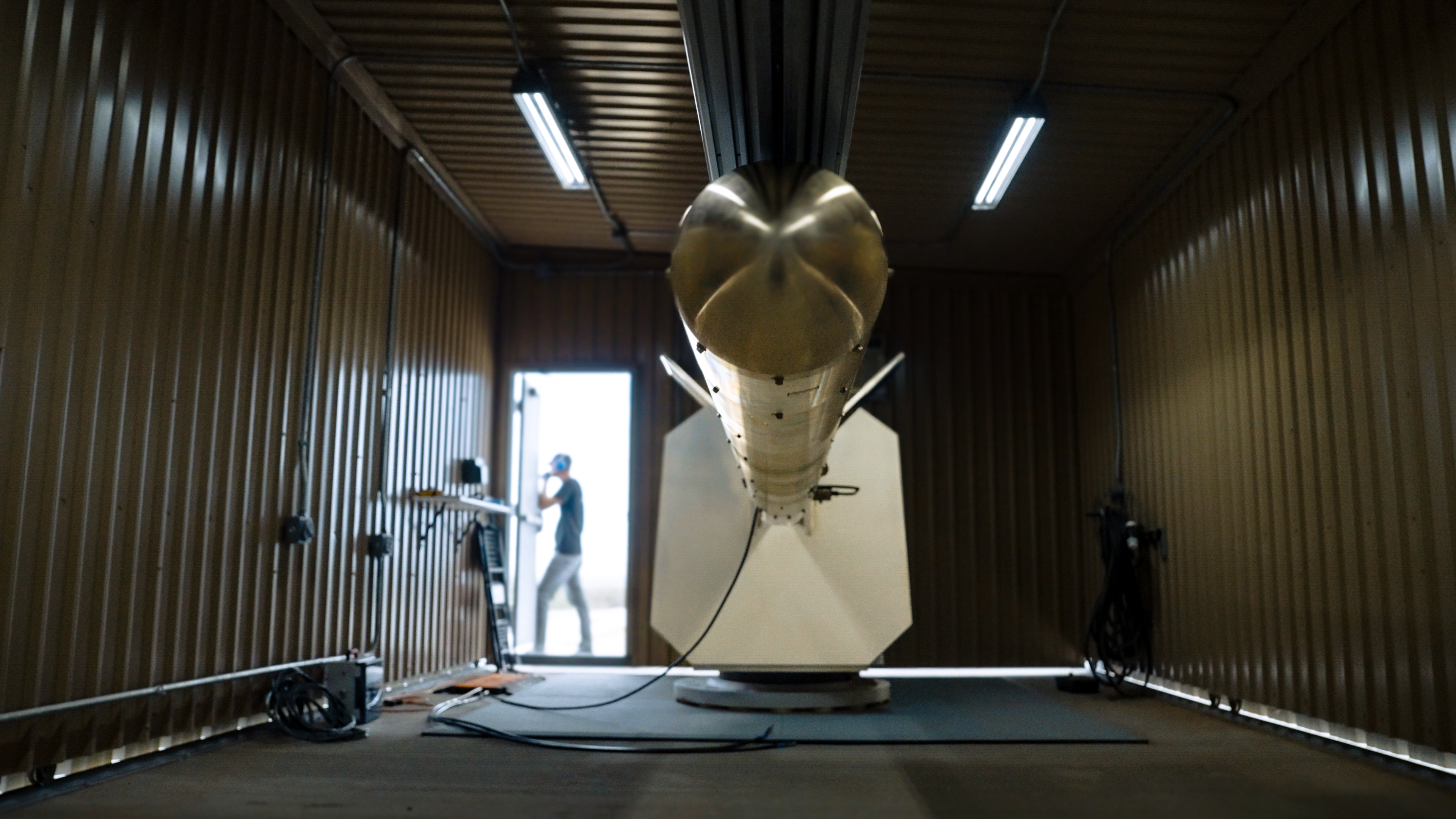
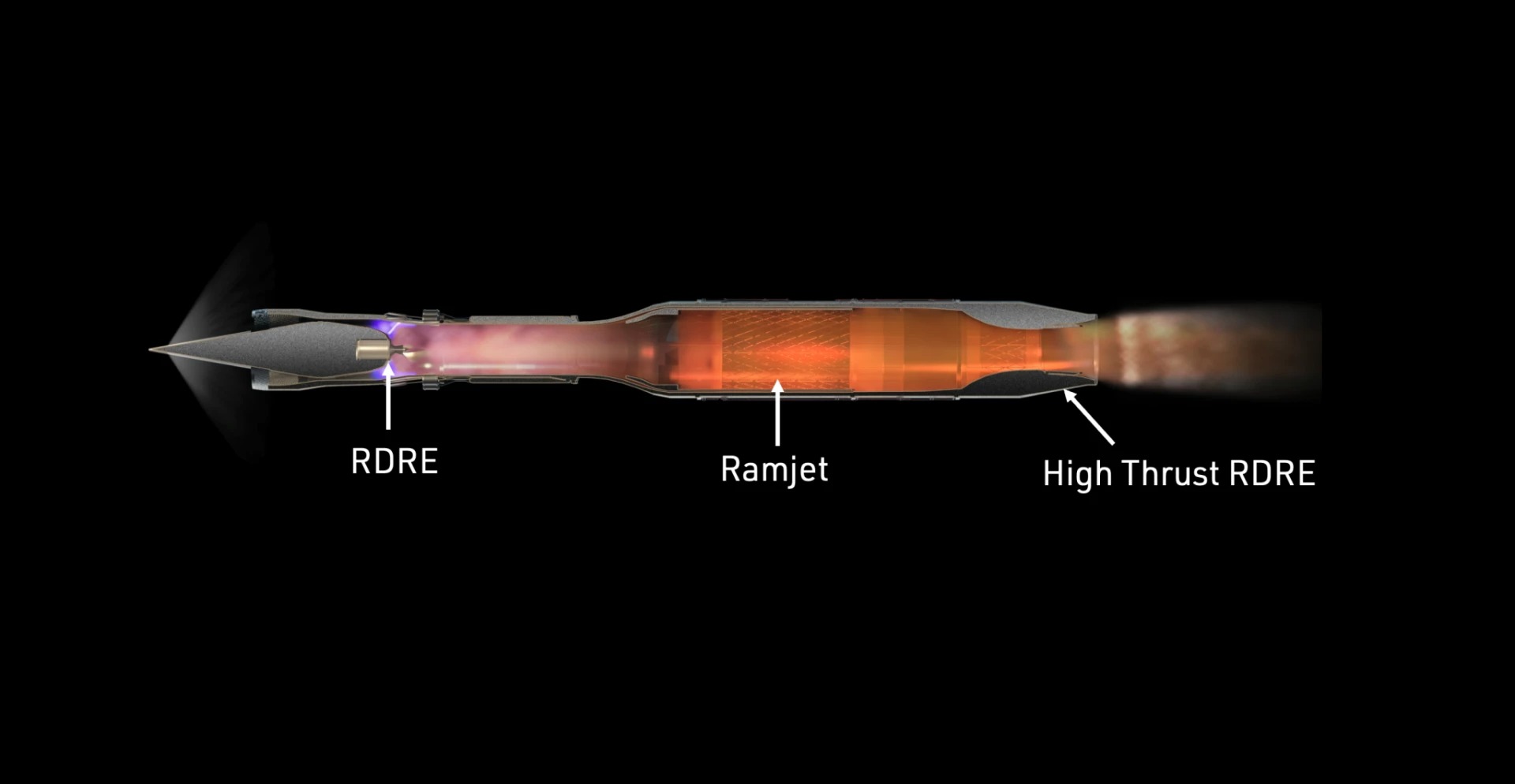
For decades, traditional rocket engines have relied on deflagration—a relatively slow burning of fuel and oxidizer. Venus Aerospace has upended this century-old thermodynamic paradigm by mastering detonation. Their proprietary Rotating Detonation Rocket Engine (RDRE) utilizes continuous, supersonic detonation waves that travel around a circular channel. This process burns fuel at a much higher pressure and temperature, yielding unprecedented efficiency.
The engineering breakthrough achieved by Venus Aerospace involves sustaining this highly volatile detonation reaction for extended durations, proving that the engine is not just theoretically viable, but flight-ready. By extracting up to 15% more energy from the same amount of fuel compared to traditional liquid rocket engines, the RDRE reduces weight, simplifies engine plumbing, and unlocks sustained hypersonic cruise capabilities within the Earth's atmosphere.
Why Pam Melroy’s Appointment is a Strategic Masterstroke
In the highly regulated and capital-intensive aerospace market, credibility is currency. Pam Melroy brings an unparalleled pedigree of operational, regulatory, and technical expertise to Venus Aerospace. Having piloted two Space Shuttle missions and commanded a third (STS-120), followed by leadership roles at the FAA, DARPA, and NASA, she knows what it takes to transition cutting-edge physics from the laboratory to flight operations.
"What Venus Aerospace has accomplished with their RDRE technology is nothing short of a game-changer," Melroy said in an official statement. "For decades, hypersonic travel was held back by the limitations of traditional propulsion. Venus has solved the core thermodynamic bottleneck. I am joining this team because they have the vision, the engineering discipline, and now the technology to fundamentally redefine global transit and national security."
Industry analysts note that Melroy’s arrival will significantly de-risk Venus Aerospace's capital-raising efforts and smooth their path through complex airspace integration and FAA regulatory approvals.
Commercial and Geopolitical Implications
The race for hypersonics is currently a key focus of geopolitical tension, with the United States, China, and Russia vying for dominance in high-speed flight. While much of the funding in this sector has been driven by defense initiatives, Venus Aerospace is aggressively positioning its RDRE technology for dual-use applications—serving both national defense needs and the multi-billion-dollar commercial aviation market.
To understand how Venus Aerospace's RDRE compares to legacy propulsion systems, consider the following performance metrics:
| Performance Metric | Traditional Jet / Rocket Engines | Venus Aerospace RDRE |
|---|---|---|
| Combustion Mechanism | Deflagration (Subsonic Burn) | Detonation (Supersonic Wave) |
| Fuel Efficiency Improvement | Baseline Standard (0%) | 10% to 15% Increase |
| Target Operational Speed | Mach 0.8 to Mach 3.0 | Mach 5.0 to Mach 9.0+ |
| Mechanical Complexity | High (Turbopumps, moving parts) | Low (Simplified, static chamber) |
| Primary Use Cases | Commercial flight, traditional space launch | Hypersonic transit, defense interceptors, rapid space access |
The Roadmap to Mach 9
With Melroy on board, Venus Aerospace is accelerating its development timeline. The company plans to transition from ground-based static tests to high-altitude flight demonstrations. The ultimate goal remains the "Stargazer"—a piloted hypersonic aircraft that will take off from conventional airports using traditional jet engines before engaging its clean-burning RDRE at the edge of space, cruising at an altitude of 170,000 feet.
Key Milestones on the Horizon:
- High-Altitude Drone Testing: Deploying subscale RDRE-powered drones to validate supersonic transitions and flight control software in real-world atmospheric conditions.
- Regulatory Framework Development: Collaborating with international civil aviation authorities to draft safety standards for commercial hypersonic flight corridors.
- Defense Partnerships: Leveraging the RDRE’s compact footprint for tactical missile defense and rapid payload delivery contracts with the U.S. Department of Defense.
By bringing a certified space pioneer and administrative heavyweight like Pam Melroy into the fold, Venus Aerospace has transitioned from a high-potential startup into a formidable market leader. The hypersonic dream, once relegated to science fiction and classified military hangars, is suddenly closer to reality than ever before.
Frequently Asked Questions
What is an RDRE and why is it considered a thermodynamic breakthrough?
An RDRE (Rotating Detonation Rocket Engine) differs from traditional engines by utilizing detonation—a supersonic combustion wave—rather than deflagration (slow burning). This creates significantly higher pressure within the engine chamber using less fuel, resulting in a 15% increase in efficiency, fewer moving parts, and the ability to sustain the extreme speeds required for hypersonic flight.
What role will Pam Melroy play at Venus Aerospace?
As a former Space Shuttle Commander and the immediate past Deputy Administrator of NASA, Pam Melroy will leverage her extensive experience in aerospace engineering, flight safety, and regulatory affairs. She will guide the strategic scaling of Venus's propulsion technology, oversee safety protocols for piloted vehicles, and assist in navigating the complex regulatory approvals required for commercial hypersonic flight.