Executive Takeaways
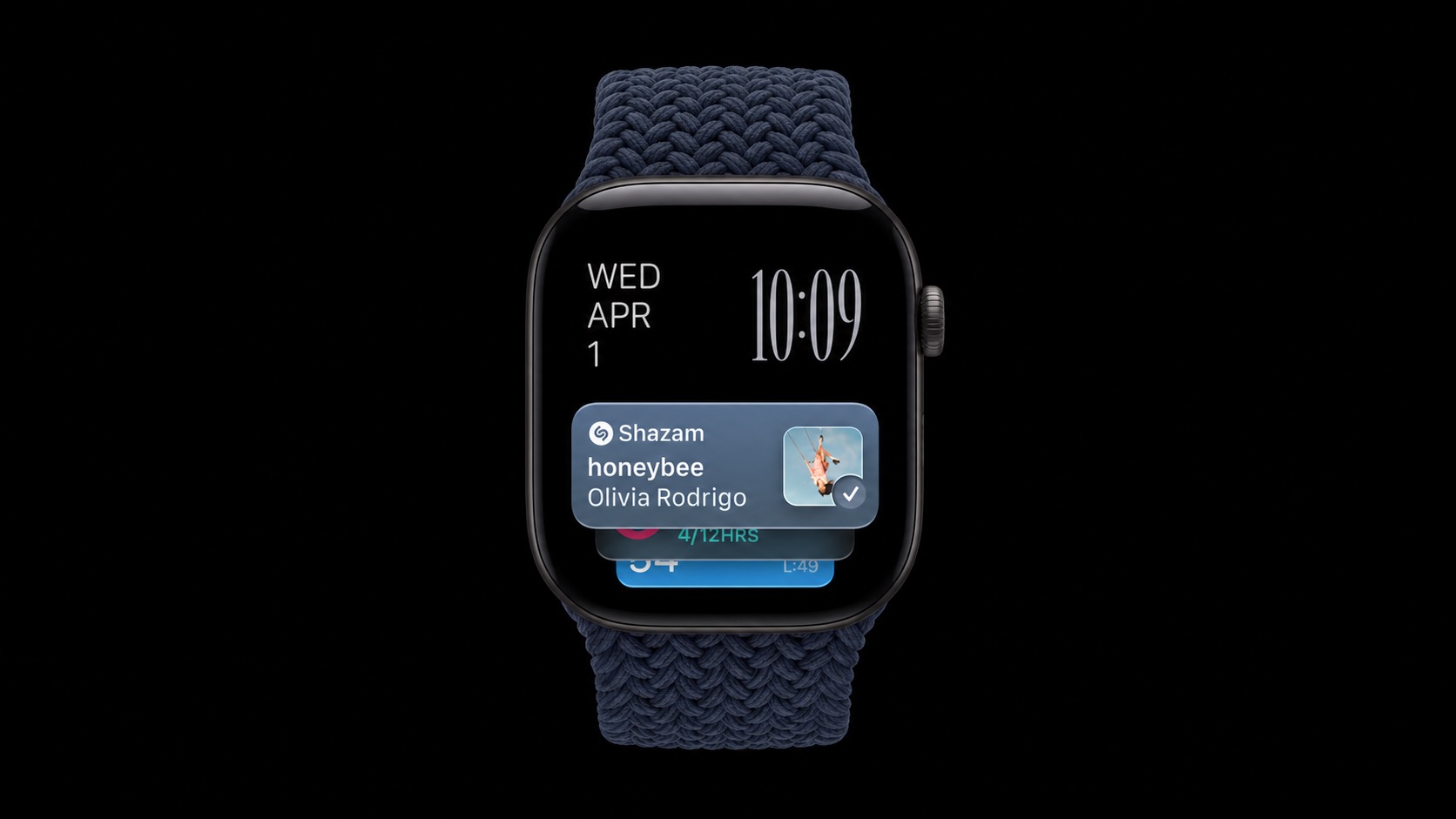
- Silent Integration: Apple Watch is rolling out background audio-recognition capabilities, marrying ambient listening directly into the wrist-worn hardware ecosystem without requiring manual third-party app launches.
- Capital Allocation & Valuation Impact: This continuous-listening feature strengthens Apple's hardware-software monetization moat, reinforcing premium valuation multiples by driving stickier consumer engagement and deeper ecosystem lock-in.
- Infrastructure & Privacy Engineering: Utilizing on-device neural processing units (NPUs) and edge computing, Apple mitigates massive cloud compute architecture costs while meeting stringent global regulatory compliance frameworks for data privacy.
- Anatomy of a Feature: By bridging the gap between passive environmental awareness and active data retrieval, Cupertino is laying the groundwork for a broader paradigm shift toward proactive, ambient AI.
For years, the ritual of identifying a stray track playing in a coffee shop, a transit hub, or a dimly lit lounge followed a predictable, albeit friction-heavy, choreography. Users scrambled to unlock their smartphones, swipe through app drawers, launch dedicated music-discovery utilities, and wait anxiously for a digital listening engine to sample the audio spectrum. Today, that friction is systematically evaporating from the consumer experience. Apple’s quiet, methodical integration of automated background song identification directly into the Apple Watch operating system marks a foundational pivot in how portable hardware interacts with the auditory environment.
As confirmed by recent real-time trending wire telemetry and developer insights, the wrist-worn device is no longer merely a passive receiver of notifications and fitness metrics. It is transforming into an active, context-aware sensor node. For enterprise analysts, audio engineers, and institutional investors monitoring Cupertino's capital allocation strategy, this rollout is much more than a consumer-facing convenience. It is a calculated masterclass in edge-compute architecture, hardware differentiation, and ecosystem defensibility designed to insulate Apple against margin compression in saturated hardware markets.
The Catalytic Shift: From Active Search to Ambient Awareness
Test Our Free AI & Tech Utilities Suite
Calculate LLM API token costs, analyze article dwell-time, or simulate tech DCA returns.
To understand the magnitude of Apple Watch automatically identifying songs playing around you, one must examine the evolution of ambient computing over the past decade. Historically, automated audio fingerprinting—pioneered by services like Shazam (acquired by Apple in 2018 for a reported $400 million)—required an explicit user command. You had to ask your phone to listen.
The new paradigm flips this workflow entirely. By leveraging low-power, always-listening microphone states optimized for energy conservation, the Apple Watch can now passively sample ambient soundscapes, cross-reference acoustic signatures against localized or cloud-backed music databases, and surface song titles seamlessly via smart stacks or subtle notification haptics. This transition from active intent to passive awareness mirrors the historical trajectory of step-tracking and heart-rate monitoring: features that started as manual, deliberate checks before becoming continuous, background health telemetry.
From an infrastructure scalability perspective, running continuous acoustic analysis on a battery-constrained device like the Apple Watch demands radical efficiency. Apple’s custom-designed silicon—specifically the neural engine components embedded within recent S-series system-in-package (SiP) processors—plays a pivotal role. Instead of streaming raw audio streams continuously to remote data centers (a practice that would destroy battery life and invite severe regulatory backlash over privacy), the watch performs initial vector extraction and acoustic pattern matching locally on the metal.
Market Liquidity, Enterprise ROI, and Valuation Multiples

In the high-stakes theater of mega-cap technology valuations, features that drive user retention directly influence market liquidity and equity pricing. Wall Street equity researchers constantly evaluate ecosystem stickiness—the friction a consumer faces when contemplating a migration to a competing platform, such as Google’s Wear OS ecosystem.
| Metric / Dimension | Legacy Music Discovery (Manual) | Apple Watch Ambient Audio Identification |
|---|---|---|
| User Friction | High (Unlock phone, open app, tap screen) | Zero (Passive background recognition) |
| Compute Architecture | Cloud-heavy processing upon request | Edge-optimized NPU inference + selective cloud sync |
| Ecosystem Synergy | Siloed third-party monetization | Direct funnel into Apple Music subscriptions |
| Privacy Risk Mitigation | Vulnerable to persistent audio recording concerns | On-device ephemeral hashing; no raw audio retention |
When an Apple Watch effortlessly catches a song playing in the background and presents it cleanly to the user with a single-tap option to add it to an Apple Music library, the monetization loop tightens. This frictionless pipeline drives higher conversion rates for digital service subscriptions, supporting high-margin service revenue growth—a key metric scrutinized by institutional investors during quarterly earnings calls.
Furthermore, this capability serves as a powerful hardware differentiator. As Android device manufacturers flood the market with low-cost wearables, Apple maintains its premium pricing power by offering vertically integrated experiences that competitors cannot easily replicate without proprietary silicon and tightly controlled operating system access.
Regulatory Compliance and Risk Mitigation
The introduction of ambient listening features on wearable devices inevitably triggers intense scrutiny from privacy advocates, civil liberties organizations, and international regulators. In an era defined by stringent compliance frameworks such as the European Union’s General Data Protection Regulation (GDPR) and the California Consumer Privacy Act (CCPA), any technology perceived as "always listening" faces immediate skepticism.
Apple’s engineering and legal teams have clearly prioritized risk mitigation in their architectural design. By executing acoustic parsing locally via on-device machine learning models, the watch processes audio as transient, ephemeral mathematical vectors rather than storing or transmitting raw audio files. The system discards ambient sound data immediately after attempting a match unless an explicit user action is taken to save or query the track.
This privacy-first approach is not merely an ethical stance; it is a vital enterprise risk management strategy. Regulatory fines for unauthorized data collection or perceived wiretapping violations can run into the billions of dollars and inflict irreparable reputational damage. By baking privacy safeguards directly into the silicon and operating system layer, Apple shields its balance sheet from regulatory headwinds while fortifying its brand positioning as a trusted custodian of consumer data.
People Also Ask (FAQ)
How does the Apple Watch automatically identify songs without draining the battery?
The system relies on Apple’s custom silicon architecture, specifically integrating low-power neural processing units (NPUs) inside the device’s chip package. Instead of continuously streaming raw audio to the cloud—which would rapidly deplete the battery—the watch utilizes optimized on-device machine learning models to perform local acoustic fingerprinting. It only initiates low-bandwidth network queries when a viable match signature is detected.
Is my private conversations and ambient audio recorded or stored by Apple?
No. Apple has engineered this feature with privacy-by-design principles. Audio sampled for background song identification is processed ephemerally on the device as temporary mathematical hashes. Raw audio recordings are never permanently stored locally, nor are they transmitted to remote servers, ensuring compliance with strict global privacy regulations like GDPR.
Does this feature require a paid Apple Music subscription to function?
While the automatic identification and song-recognition mechanics operate natively within the watchOS system independent of subscription status, integration depth varies. Users can view identified track titles and artists freely, but seamless one-tap additions to playlists and full-track streaming natively leverage the Apple Music ecosystem, though compatibility with third-party streaming services like Spotify is supported through app notifications.
How does this feature impact the competitive landscape for companies like Spotify and Google?
By capturing the initial moment of music discovery directly at the wrist, Apple shortens the journey from ambient awareness to digital consumption. This tight integration poses a competitive challenge to third-party discovery apps and rival hardware ecosystems, funneling user engagement and potential subscription conversions directly into Apple's proprietary services portfolio.
Future Outlook: The Road Ahead for Ambient Wearables
The automatic identification of ambient music on the Apple Watch is merely a precursor to a much larger technological transformation. As edge-computing capabilities expand and neural engines become more sophisticated, wearable devices will increasingly transition from reactive tools into proactive ambient assistants.
Looking toward the medium-term horizon, industry observers should monitor several key milestones:
- Expansion of Acoustic Signatures: Beyond commercial music, future iterations could expand to recognize environmental audio cues—such as sirens, spoken foreign languages, or domestic alarms—enhancing accessibility and safety profiles.
- Deeper Contextual AI Integration: Expect tighter synthesis between audio recognition, location data, and biometric inputs, allowing the device to anticipate user needs based on temporal and environmental patterns.
- Silicon Advancements: Subsequent generations of S-series chips will likely feature even more power-efficient neural accelerators, enabling continuous, multi-modal ambient monitoring with zero perceptible impact on battery longevity.
Ultimately, Apple’s subtle deployment of background song identification underscores a mature corporate strategy: dominating consumer mindshare not through disruptive, flashy announcements, but through quiet, indispensable infrastructural polish. For the enterprise and financial markets, this capability is a clear signal that Apple’s hardware-software flywheel remains exceptionally robust, resilient, and well-positioned to command premium valuation multiples for the foreseeable future.