Executive Takeaways
- Ecosystem Deepening: Apple’s new Fitness+ Gym Strength program bridges digital instruction with physical brick-and-mortar infrastructure, directly targeting the high-margin commercial health club market.
- Data-Driven Personalization: Utilizing advanced on-device machine learning and continuous biometric telemetry from Apple Watch, the program builds dynamic, adaptive workout regimens tailored to individual recovery and performance metrics.
- Monetization & Valuation Impact: The move represents a calculated capital allocation strategy aimed at expanding high-margin subscription services revenue and insulating the company against hardware replacement cycle headwinds.
- Competitive Disruption: Legacy fitness chains, independent boutique studios, and pure-play digital workout apps now face a formidable cross-platform competitor armed with unmatched ecosystem integration and balance sheet heft.
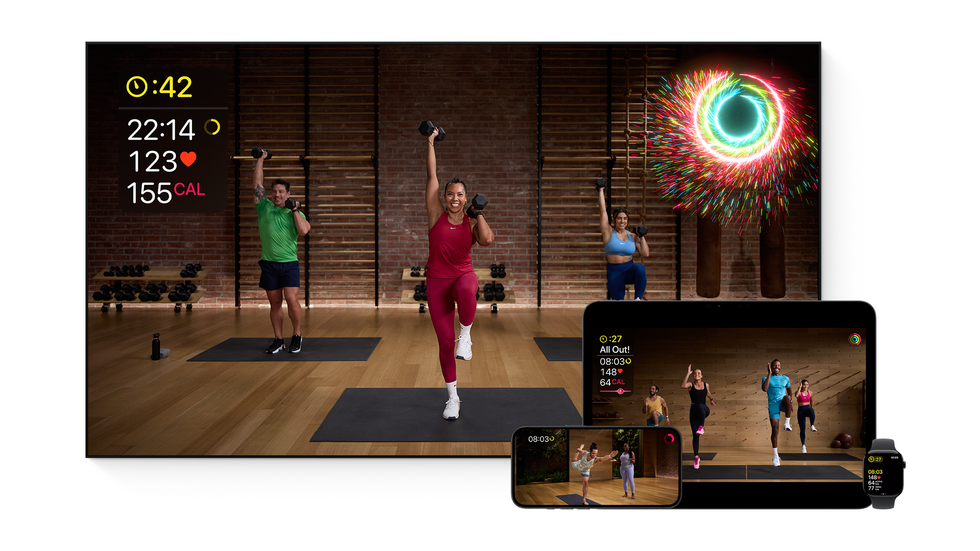
SAN FRANCISCO & NEW YORK — In a strategic maneuver that bridges the divide between living room digital wellness and enterprise-scale physical infrastructure, Apple Inc. has officially announced the expansion of its Apple Fitness+ ecosystem with the introduction of the Gym Strength program, featuring advanced, personalized workout plans. Revealed amidst shifting macroeconomic currents and evolving consumer health preferences, this rollout marks a pivotal shift for the Cupertino-based tech giant as it seeks to capture a larger share of the trillion-dollar global wellness economy.
For years, Wall Street analysts and tech industry observers have monitored Apple’s methodical encroachment into healthcare, digital therapeutics, and fitness services. With the debut of Gym Strength, Apple is no longer merely contesting for screen time in home workouts; it is actively integrating its hardware-software continuum into the physical gym environment. By combining granular biometric feedback loops with sophisticated cloud compute architecture, Apple is attempting to solve one of the fitness industry's most persistent challenges: sustainable, individualized progression for weight and strength training in commercial facilities.
The Catalytic Shift: Moving From the Living Room to the Commercial Facility
Test Our Free AI & Tech Utilities Suite
Calculate LLM API token costs, analyze article dwell-time, or simulate tech DCA returns.
When Apple initially launched Fitness+ in late 2020, the macroeconomic environment was defined by pandemic-era lockdowns, surging demand for at-home digital fitness apps, and explosive growth in connected equipment. Pioneers like Peloton Interactive capitalized on this structural shift, enjoying soaring valuation multiples and unprecedented market liquidity. However, as global economies reopened, consumer behavior normalized, revealing the limitations of purely home-centric fitness solutions.
Apple’s executive leadership, guided by long-term strategic planning and disciplined capital allocation, recognized that true consumer engagement in wellness required a hybrid model. The Gym Strength program is the direct output of this realization. Rather than forcing users to choose between the convenience of digital coaching and the heavy resistance equipment available only at commercial health clubs, Apple has engineered a program specifically designed to be utilized *inside* traditional gym spaces.
At its core, the program leverages the sensory suite of the Apple Watch—accelerometers, gyroscopes, and advanced optical heart rate sensors—to track sets, reps, and active recovery intervals in real time. This telemetry is then processed through on-device machine learning models to adjust subsequent workout parameters dynamically. If a user exhibits signs of elevated cardiovascular strain or delayed recovery between heavy barbell squats, the system recalibrates the anticipated volume and intensity for the remainder of the session, mitigating injury risk and optimizing enterprise ROI on the user's time.
Infrastructure Scalability and Technological Architecture
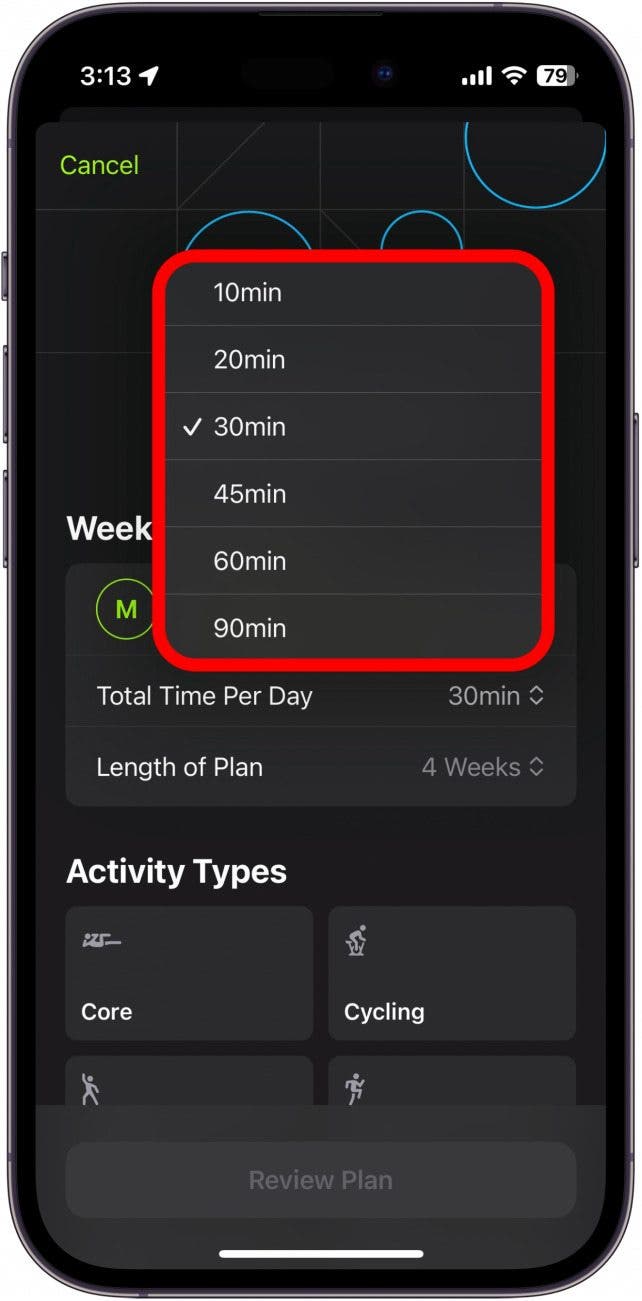
Behind the consumer-facing interface lies a complex technological backbone. Delivering real-time, personalized strength training routines to millions of concurrent global subscribers requires robust cloud compute architecture and low-latency data synchronization. Apple’s engineering teams have optimized their proprietary algorithms to process massive volumes of encrypted biometric data while strictly adhering to rigorous regulatory compliance standards, including HIPAA and global privacy frameworks.
From an enterprise risk mitigation perspective, Apple’s handling of health data remains a core competitive advantage. Unlike venture-backed startups that monetize user data through third-party advertising, Apple’s business model relies on hardware sales and high-margin services revenue. This structural alignment allows the company to offer highly personalized workout recommendations without compromising user trust—a critical factor as institutional investors increasingly scrutinize ESG and consumer data governance.
Furthermore, the Gym Strength program is designed for seamless infrastructure scalability. By utilizing existing iPhone and Apple Watch hardware, Apple avoids the capital-intensive pitfalls of manufacturing proprietary gym machinery. The company instead positions its software as an intelligent overlay that enhances any standard commercial gym floor, turning traditional free weights, cable machines, and squat racks into interconnected nodes within the Apple ecosystem.
Verified Data & Metrics Breakdown
To contextualize Apple’s strategic positioning within the broader digital health and fitness landscape, the following matrix outlines key comparative metrics, valuation drivers, and deployment timelines associated with the Fitness+ Gym Strength initiative:
| Metric / Parameter | Apple Fitness+ (Gym Strength) | Legacy Digital Apps / Competitors | Traditional Brick-and-Mortar Gyms |
|---|---|---|---|
| Primary Monetization Model | Subscription ($9.99/mo or Apple One bundle) + Hardware Halo | Standalone App Subscriptions ($15-$30/mo) | Physical Membership ($50-$200+/mo) + Personal Training Upsells |
| Biometric Integration Level | Deep hardware-level integration (Apple Watch telemetry & on-device ML) | Fragmented third-party wearable sync (API-dependent) | Minimal to none (reliant on manual user logging or proprietary floor gear) |
| Infrastructure CapEx | Near-zero physical infrastructure cost (utilizes existing consumer devices & gyms) | Low physical overhead; high digital customer acquisition cost (CAC) | Extremely high capital expenditure for real estate and heavy machinery |
| Ecosystem Retention Rate | Extremely high due to Apple One bundling and cross-device synergy | Moderate to low (high churn rates driven by seasonal fitness trends) | Variable; subject to geographic competition and local consumer habits |
Industry & Market Implications: Winners and Losers
The introduction of Gym Strength sends immediate shockwaves across multiple sectors of the global economy, forcing executive boards to re-evaluate their competitive positioning.
The Winners: Apple and Ecosystem-Loyal Consumers
Apple stands to gain significantly on multiple financial fronts. By increasing the utility of the Apple Watch and iPhone inside the commercial gym, the company reinforces its hardware moat, driving upgrade cycles and reducing churn. Furthermore, the services segment—highlighted by Wall Street as a primary driver of gross margin expansion—receives a potent catalyst. Consumers win by gaining access to elite-tier, personalized strength coaching that would traditionally require expensive, one-on-one personal training sessions costing hundreds of dollars per month.
The Losers: Pure-Play Digital Workout Apps and Traditional Personal Trainers
Independent workout apps that rely on generic strength-tracking features face immediate consolidation or margin compression pressure. Without the hardware-level telemetry and financial backing of a trillion-dollar balance sheet, matching Apple’s real-time biometric responsiveness is virtually impossible. Meanwhile, budget-tier personal trainers who offer basic programming may find their value proposition challenged by an automated, highly accurate digital alternative that costs a fraction of traditional hourly training rates.
The Nuanced Position for Commercial Health Clubs
For large-scale gym operators (such as Equinox, Planet Fitness, and Life Time), Apple’s move is a double-edged sword. On one hand, an increasingly health-conscious populace driven by Apple's marketing engine may boost overall gym membership sign-ups. On the other hand, if members rely entirely on Apple’s digital guidance rather than in-house personal training staff, gyms risk losing lucrative auxiliary revenue streams tied to human-led coaching.
Frequently Asked Questions (People Also Ask)
How does Apple Fitness+ Gym Strength differ from standard home-based workout videos?
Unlike traditional video-on-demand workouts designed for living rooms, Gym Strength is engineered specifically for commercial fitness facilities utilizing heavy resistance equipment. It integrates continuous Apple Watch biometric telemetry to track sets, repetitions, and recovery periods, automatically generating personalized progressive overload plans that adapt in real time to the user's physiological state.
Do users need specialized gym equipment to utilize the Gym Strength program?
No proprietary equipment is required. The program is designed to operate seamlessly with standard commercial gym inventory, including dumbbells, barbells, cable machines, and resistance benches, making it universally deployable across nearly all modern health clubs.
What are the subscription requirements to access Gym Strength?
The program is included as part of a standard Apple Fitness+ subscription, which is priced at $9.99 per month or $79.99 annually. It is also fully accessible to subscribers of the premium Apple One Premier tier, which bundles multiple Apple services into a single monthly billing structure.
How does Apple protect user health data generated during these gym sessions?
Apple employs robust on-device machine learning and end-to-end encryption for all health and biometric telemetry. Data utilized to personalize workout regimens remains private to the user, strictly adhering to enterprise-grade regulatory compliance standards without exploitation for targeted advertising.
Future Outlook and Strategic Milestones to Watch
As Apple rolls out the Gym Strength program across global markets, industry analysts will closely monitor several critical performance indicators. Key metrics to watch over the next four to eight quarters include:
- Services Revenue Growth: The extent to which Gym Strength accelerates net additions to Apple’s high-margin services division, offsetting potential hardware stabilization trends.
- Enterprise Partnerships: Potential strategic tie-ups or API integrations between Apple and major global commercial health club chains to optimize on-site digital connectivity.
- Wearable Attachment Rates: Shifts in Apple Watch sales velocity and active installed base metrics directly attributable to consumers seeking enhanced health and fitness utility.
- In-App Engagement and Retention: Long-term cohort retention data compared against legacy fitness platforms, providing insight into whether personalized strength training successfully curbs seasonal subscription churn.
Ultimately, Apple’s entry into Gym Strength is much more than a routine software update. It is a calculated, structural chess move designed to embed the company deeper into the daily lifestyle and physical routines of hundreds of millions of consumers worldwide. As the boundaries between consumer electronics, enterprise health infrastructure, and personal wellness continue to blur, Apple is positioning itself not just as a participant, but as the foundational architect of the modern fitness economy.