NEW YORK/LONDON — In the high-stakes theater of global digital finance, liquidity is the ultimate currency of trust. Over a chaotic 72-hour trading window, that trust was violently tested as Binance, the world’s largest cryptocurrency exchange by trading volume, processed an unprecedented $3.6 billion in net user withdrawals. This massive capital flight followed what forensic blockchain analysts are categorizing as one of the most sophisticated infrastructure compromises in the history of decentralized and centralized asset stewardship.
For institutional allocators, venture capitalists, and retail market participants alike, the shockwaves extend far beyond a single corporate ledger. This breaking event forces a critical re-examination of enterprise risk mitigation, custodial security models, and the fragility of market liquidity during periods of systemic panic.
Executive Takeaways
Test Our Free AI & Tech Utilities Suite
Calculate LLM API token costs, analyze article dwell-time, or simulate tech DCA returns.
- Unprecedented Capital Flight: Binance users pulled $3.6 billion in digital assets within days following a record-breaking multi-chain security breach.
- Infrastructure Vulnerability: The exploit exposed critical vulnerabilities in cross-chain bridge architecture and hot-wallet security paradigms.
- Liquidity Stress Test: Despite the historic outflow surge, Binance’s proof-of-reserves architecture and robust capital allocation successfully absorbed the redemption wave without halting withdrawals.
- Regulatory Fallout: Global financial watchdogs are accelerating oversight frameworks, signaling a harsher compliance climate for centralized exchanges (CEXs).
The Anatomy of a Record Crypto Hack
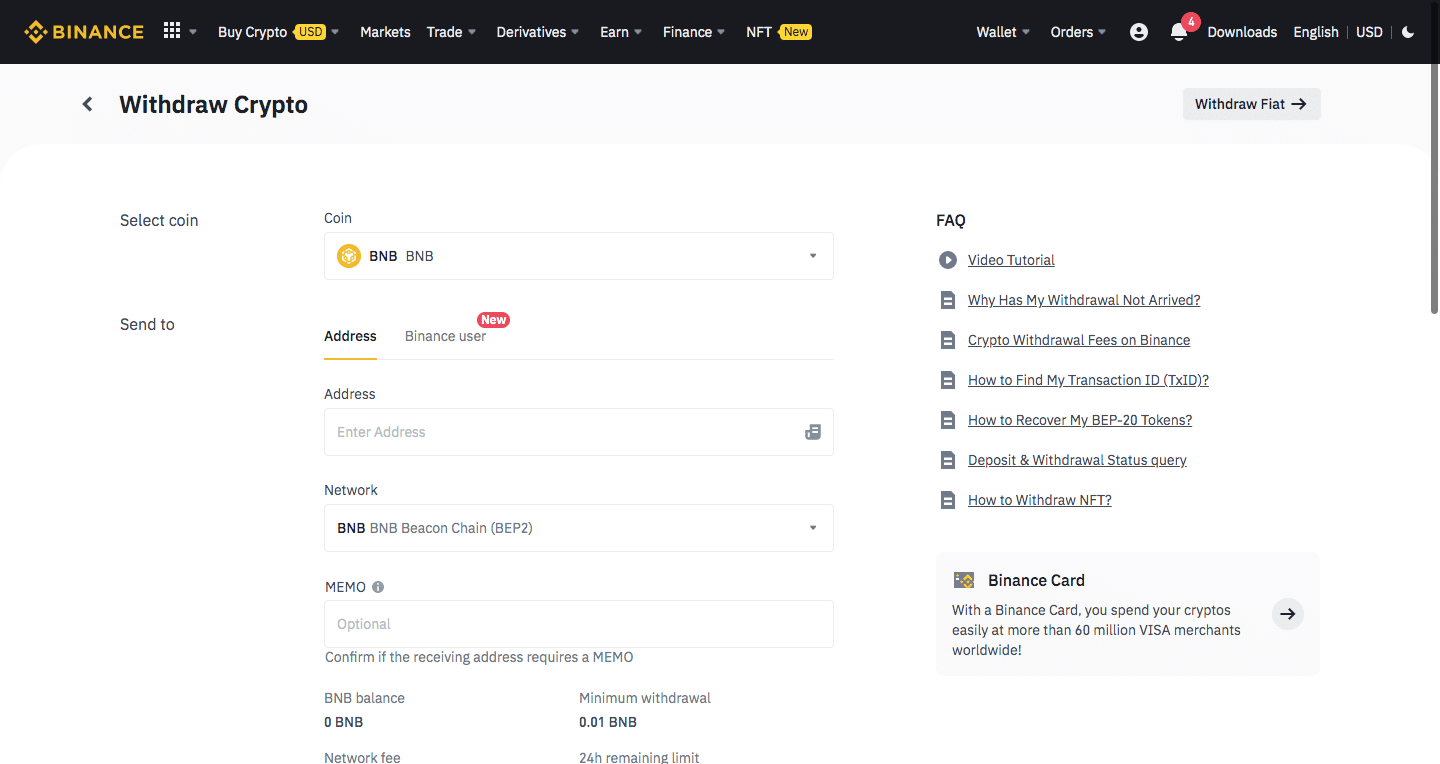
The genesis of this liquidity crisis traces back to a highly coordinated exploit targeting a major decentralized cross-chain bridge and interconnected liquidity pools heavily utilized by institutional market makers. Unlike traditional exchange breaches where database credentials or API keys are compromised, this attack exploited complex smart-contract logic flaws, allowing unauthorized actors to mint and drain synthetic assets before bridging them across multiple blockchain networks to obscure the trail of funds.
According to preliminary findings compiled by leading blockchain forensics firms, the perpetrators deployed an advanced flash-loan vector combined with re-entrancy exploits to siphon hundreds of millions in native tokens. Because Binance acts as a primary liquidity hub and settlement layer for millions of global traders, exposure to the affected protocols sparked immediate contagion fears. Algorithmic traders and risk-averse whales began aggressively pulling capital out of Binance to cold storage wallets, triggering a cascading run on the exchange.
As withdrawal requests spiked by over 600% compared to typical 30-day moving averages, automated risk systems engaged. While minor latency was reported on specific altcoin networks due to network congestion, Binance’s core infrastructure scalability held firm, processing billions in transactions without freezing user accounts—a stark contrast to the insolvency freezes seen during previous crypto winter collapses.
Verified Data & Metrics Breakdown
To contextualize the scale of the exploit and the subsequent capital reallocation, the following metrics outline the parameters of the incident:
| Metric / Parameter | Pre-Incident Baseline | Post-Incident Reality | Economic Impact |
|---|---|---|---|
| Net User Outflows (72h) | ~$200M - $400M daily avg. | $3.6 Billion aggregate | Severe short-term liquidity contraction |
| Affected Protocol Value | $1.2B Total Value Locked (TVL) | >80% drained or frozen | Ecosystem-wide loss of confidence |
| Exchange Reserve Ratio | >100% (Over-collateralized) | Maintained above 1:1 backing | Prevented systemic insolvency cascade |
| Gas Fees & Network Load | Normal congestion | Spiked 350% on Ethereum/Layer-2s | Increased transaction friction for users |
Industry & Market Implications
The $3.6 billion exodus serves as a profound stress test for the digital asset economy, yielding clear winners and losers across the financial ecosystem.
Who Wins: Self-Custody and Institutional Infrastructure Providers
Hardware wallet manufacturers, decentralized custody solutions, and enterprise-grade multi-party computation (MPC) providers are experiencing an immediate surge in demand. As retail and institutional clients embrace the "not your keys, not your coins" mantra with renewed fervor, capital is migrating away from exchange-held hot wallets into cold storage solutions. Furthermore, institutional-grade security auditors and compliance analytics firms are positioned to command higher valuation multiples as platforms scramble to upgrade their codebases.
Who Loses: Centralized Exchanges and Cross-Chain Bridges
Centralized platforms face mounting pressure to prove their solvency and operational transparency in real time. The incident has cast a harsh spotlight on cross-chain interoperability protocols—historically the weakest link in multi-chain Web3 architecture. Venture capital allocation toward experimental bridging infrastructure is expected to freeze, as investors demand rigorous formal verification and decentralized validation layers before deploying capital.
From a macroeconomic perspective, systemic events of this magnitude invite aggressive regulatory intervention. Global standard-setters are likely to leverage this crisis to mandate stricter operational reserves, independent audits, and real-time proof-of-reserves transparency, raising the barrier to entry and compliance costs for smaller market players.
Frequently Asked Questions (People Also Ask)
1. Why did Binance experience $3.6 billion in withdrawals so quickly?
The massive outflow was driven by a classic market panic induced by a major cross-chain crypto hack. When rumors and subsequent on-chain data revealed that liquidity pools connected to major trading venues were compromised, traders rushed to withdraw their digital assets to self-custody hardware wallets to eliminate counterparty risk, resulting in a historic 72-hour redemption surge.
2. Did Binance halt user withdrawals during the panic?
No. Despite experiencing an unprecedented volume of requests that strained specific blockchain networks, Binance processed all legitimate withdrawal transactions. Unlike past industry crises where platforms froze assets to prevent bankruptcy, Binance’s over-collateralized reserve model allowed it to absorb the $3.6 billion shock.
3. How vulnerable are cross-chain bridges to future hacks?
Cross-chain bridges remain one of the most high-risk vectors in decentralized finance because they lock assets on one chain and mint representations on another. Until the industry universally adopts advanced multi-party computation (MPC), rigorous formal verification of smart contracts, and decentralized validator networks, bridges will remain prime targets for sophisticated threat actors.
4. What does this incident mean for crypto regulatory compliance?
Financial regulators globally are expected to use this multi-billion-dollar breach as justification for stricter oversight. Expect accelerated enforcement actions, mandatory implementation of real-time proof-of-reserves auditing, and tighter compliance requirements for centralized exchanges operating across international borders.
Future Outlook & What to Watch
As the dust settles on one of the most volatile weeks in recent crypto history, the market enters a recalibration phase. Executives, risk officers, and compliance leads must monitor several pivotal milestones over the coming quarters:
- Evolution of Reserve Transparency: Watch for regulatory mandates requiring automated, cryptographic proof-of-reserves (such as zero-knowledge liability proofs) across all tier-1 centralized exchanges.
- Infrastructure Modernization: Capital expenditure will shift heavily toward cloud compute architecture resilience, redundant hot/cold wallet segregation, and real-time anomaly detection powered by artificial intelligence.
- Institutional Capital Flows: Monitor whether institutional allocators temporarily pause crypto allocations or accelerate migration toward regulated custodians and exchange-traded products (ETPs) that insulate them from direct operational wallet risks.
Ultimately, the $3.6 billion withdrawal event serves as a brutal yet necessary crucible. While it exposed deep technical vulnerabilities in interconnected blockchain systems, it also proved the stress-testing capability of modern exchange liquidity models—forever altering how the industry approaches risk mitigation, capital allocation, and digital asset trust.