Executive Takeaways
- Sudden Sell-Off: West Texas Intermediate (WTI) and Brent crude futures dropped over 3% in intraday trading following unconfirmed reports of revived diplomatic channels between Washington and Tehran.
- Geopolitical Risk Premium Evaporating: Traders quickly unwound bullish positions, reassessing capital allocation strategies and reducing the geopolitical risk premium traditionally priced into Middle Eastern energy corridors.
- Supply Shock Reversal: Potential removal of stringent sanctions on Iranian crude could inject upwards of 1.5 million barrels per day back into global market liquidity, altering valuation multiples across the energy sector.
- Corporate & Macro Implications: While upstream exploration and production (E&P) firms face margin compression, downstream refiners and global transport enterprises stand to benefit from lower feedstock costs and improved regulatory compliance frameworks.
Global energy markets experienced a sharp volatility spike this morning as West Texas Intermediate (WTI) crude tumbled more than 3% following breaking reports of accelerated, behind-the-scenes diplomatic overtures between the United States and Iran. The sudden downward pressure sliced through critical technical support levels, forcing algorithmic trading desks and commodity-trading advisors (CTAs) to unwind long positions accumulated during months of heightening Middle Eastern friction.
As institutional investors and risk management committees re-evaluate their portfolios, the immediate market reaction underscores just how heavily a localized geopolitical risk premium has been weighing on global asset valuations. For corporate treasurers, hedge fund managers, and enterprise procurement officers, the breaking news serves as a stark reminder of the fragile nexus linking international diplomacy, macroeconomic liquidity, and raw commodity pricing.
The Catalytic Spark: Unpacking the U.S.-Iran Diplomatic Breakthrough
Test Our Free AI & Tech Utilities Suite
Calculate LLM API token costs, analyze article dwell-time, or simulate tech DCA returns.
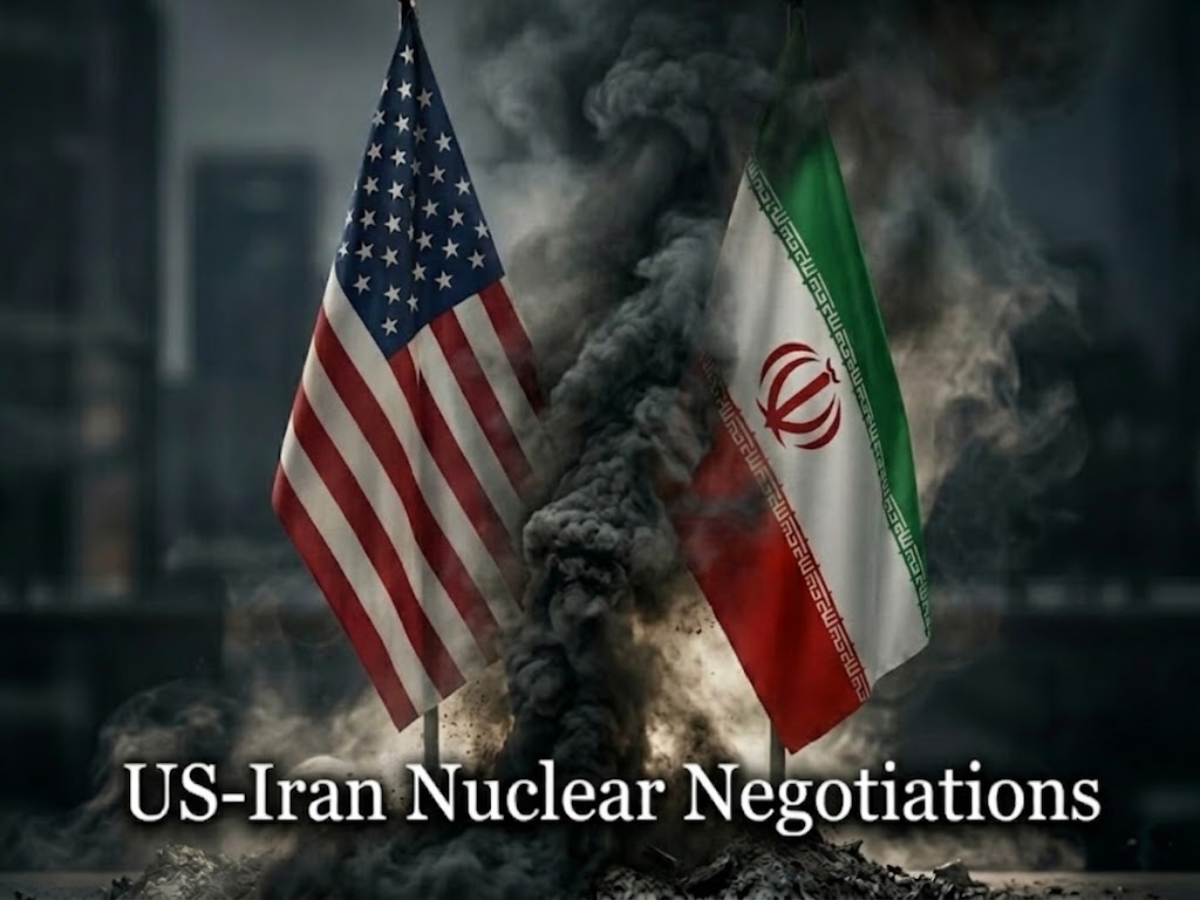
The sudden downward correction in crude benchmarks was triggered by intelligence reports filtering out of Geneva and Vienna, suggesting that high-level intermediaries have established a viable framework for de-escalation. For months, international markets have operated under the persistent shadow of supply disruptions, particularly concerning transit chokepoints like the Strait of Hormuz, through which roughly a fifth of the world's petroleum consumption flows daily.
The reported diplomatic track centers on preliminary negotiations regarding Iran’s nuclear program in exchange for phased relief from punishing U.S. economic sanctions. If formalized, these discussions could dismantle the enforcement mechanisms currently choking Iranian petroleum exports, which have hovered near restricted capacities despite persistent clandestine routing through ship-to-ship transfers and third-party port blending.
Market analysts note that the speed of the sell-off reflects aggressive risk mitigation by institutional participants. Energy market liquidity had been heavily skewed toward upside protection, with derivatives desks reporting heavy open interest in call options tied to potential supply blockades. Once the headlines crossed terminal screens, a cascade of stop-loss orders was triggered, amplifying the downward momentum and driving crude prices to multi-week lows.
Verified Data & Metrics Breakdown
| Metric / Indicator | Pre-Report Level | Post-Report Level | Net Change (%) |
|---|---|---|---|
| WTI Crude Futures (Front Month) | $78.45 / bbl | $75.80 / bbl | -3.38% |
| Brent Crude Benchmark | $82.10 / bbl | $79.35 / bbl | -3.35% |
| Estimated Iranian Export Capacity | ~1.2 mbpd (Restricted) | ~2.7 mbpd (Potential) | +1.5 mbpd potential inflow |
| Implied Volatility (OVX Index) | 34.2 | 38.9 | +13.7% (Spike) |
Industry & Market Implications: Winners, Losers, and Economic Shifts
A downward recalibration of this magnitude in the energy complex sends immediate shockwaves across diverse industrial sectors. Capital allocation strategies within multinational corporations are bound to experience rapid shifts as executive boards recalculate operational overheads and input costs.
The Losers: Upstream Producers and Hedge Fund Longs
Traditional upstream exploration and production (E&P) firms face immediate margin compression. Companies that have enjoyed robust cash flow generation and high valuation multiples on the back of elevated crude prices must now stress-test their balance sheets against a lower commodity pricing environment. Furthermore, institutional hedge funds holding speculative net-long positions suffered substantial mark-to-market losses during the intraday flush, necessitating emergency portfolio rebalancing.
The Winners: Refiners, Transport, and Global Consumers
Conversely, downstream refining operations stand to capture wider crack spreads as cheaper crude feedstock flows into processing facilities. Heavy energy consumers—including commercial airlines, global shipping conglomerates, and logistics enterprises—will experience immediate relief in operating expenses, directly bolstering their bottom-line earnings. From a broader macroeconomic perspective, sustained lower oil prices act as a natural tax cut for consumers, helping central banks tame lingering inflationary pressures and potentially influencing future interest rate trajectories.
Frequently Asked Questions (People Also Ask)
Why did U.S. crude fall so sharply on reports of U.S.-Iran diplomatic efforts?
The sudden drop was driven by the potential removal of economic sanctions on Iranian petroleum exports. If diplomatic talks succeed, an estimated 1.5 million barrels per day of restricted Iranian crude could re-enter the legal global market, significantly easing fears of physical supply deficits and evaporating the geopolitical risk premium previously priced into futures contracts.
How does Iranian crude re-entering the market affect global energy pricing?
An influx of additional supply shifts the fundamental global supply-demand balance. In economic terms, increased supply relative to steady demand exerts downward pressure on spot and futures prices, directly reducing input costs for refiners and downstream consumers while challenging the pricing power of OPEC+ production quotas.
Are these diplomatic efforts officially confirmed by Washington and Tehran?
As of this report, official state departments and foreign ministries have maintained cautious stances, characterizing discussions as preliminary and informal. However, financial markets frequently price in intelligence leaks and backchannel breakthroughs well ahead of formal bureaucratic announcements, leading to immediate high-velocity trading reactions.
What should enterprise risk managers do in response to this volatility?
Corporate treasurers and procurement heads should utilize this market pullback to lock in forward pricing hedges, optimize working capital allocation, and review operational exposure. Relying on dynamic risk mitigation strategies ensures that organizations remain insulated against both sudden geopolitical escalations and rapid de-escalation shocks.
Future Outlook & Key Milestones to Watch
As the initial dust settles on today's trading session, the trajectory of crude prices will depend entirely on concrete policy actions rather than speculative headlines. Market participants are advised to monitor several critical milestones over the coming weeks:
- Official Diplomatic Communiqués: Watch for joint statements or formalized agendas emerging from international mediators regarding sanction relief timelines.
- OPEC+ Response: Assess whether the broader producer cartel adjusts its voluntary production cuts to counteract potential Iranian volume additions and defend preferred price floors.
- Export Tracking Data: Monitor maritime intelligence and tanker tracking metrics for any measurable uptick in unauthorized or newly legalized Iranian loadings leaving key ports like Kharg Island.
- Macroeconomic Data Releases: Cross-reference energy pricing trends with upcoming global manufacturing PMI data and central bank monetary policy announcements to gauge aggregate industrial demand.
Ultimately, while today's 3% drop highlights the extreme sensitivity of energy markets to geopolitical sentiment, structural supply-demand fundamentals will dictate whether this sell-off represents a temporary correction or the beginning of a sustained lower-pricing paradigm.