Executive Takeaways
- Macroeconomic Re-Pricing: Benchmark crude futures advanced sharply during overnight electronic trading as institutional asset allocators adjusted capital allocation strategies in response to shifting legislative power dynamics in Washington.
- Geopolitical Risk Integration: Traders rapidly rebuilt geopolitical risk premiums following fresh intelligence reports regarding Iranian nuclear enrichment activities and potential maritime disruptions in the Strait of Hormuz.
- Liquidity & Valuation Pressures: Energy sector equities experienced heightened volatility, impacting enterprise valuation multiples and forcing downstream refiners to recalibrate risk mitigation frameworks.
- Supply-Demand Deficit: Persistent OPEC+ production discipline, combined with dwindling strategic petroleum reserves (SPR), continues to constrain market liquidity and amplify price sensitivities.
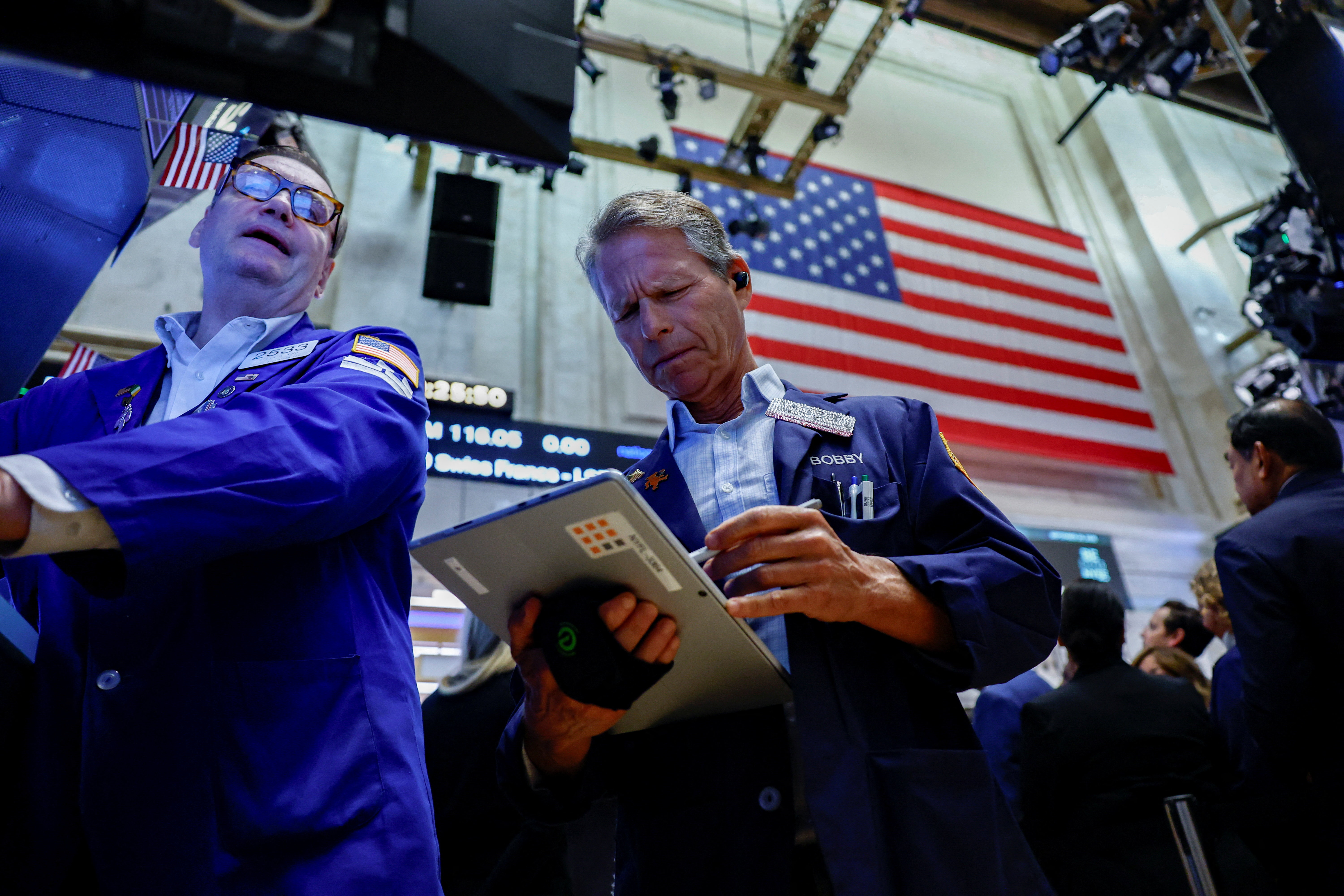
NEW YORK / LONDON — Global energy markets opened the trading week under intense upward pressure, as institutional investors and macro hedge funds simultaneously digested the complex legislative implications of United States midterm election results and a deteriorating security architecture in the Middle East. West Texas Intermediate (WTI) and Brent crude benchmarks both recorded decisive intraday gains, breaking out of recent consolidation ranges as algorithmic execution systems and discretionary desks weighed the dual catalysts of domestic fiscal gridlock and renewed supply shocks.
The convergence of domestic political realignment and heightened foreign policy friction has created an environment of acute market uncertainty. For corporate treasurers, energy traders, and portfolio managers, the immediate challenge involves recalibrating complex risk models to account for potential shifts in U.S. energy permitting, regulatory compliance burdens, and catastrophic geopolitical tail risks. As capital markets react to real-time wire traffic, the underlying fundamentals of supply scarcity and constrained infrastructure scalability continue to dictate long-term valuation trajectories across the energy complex.
The U.S. Midterm Calculus: Legislative Gridlock Meets Energy Policy
Test Our Free AI & Tech Utilities Suite
Calculate LLM API token costs, analyze article dwell-time, or simulate tech DCA returns.
The electoral redistribution of power on Capitol Hill has fundamentally altered the Washington policy landscape, introducing a dynamic of legislative gridlock that directly impacts long-term capital expenditure (CapEx) planning for major exploration and production (E&P) firms. Historically, split-government outcomes restrict aggressive federal intervention in domestic energy markets, lowering regulatory compliance risks but also paralyzing bipartisan consensus on infrastructure funding and green-energy transition subsidies.
For institutional investors, this political stalemate yields a two-tiered impact on enterprise ROI. On one hand, upstream operators find comfort in the diminished likelihood of punitive windfall profit taxes or sweeping federal drilling bans on public lands. On the other hand, the lack of cohesive, long-term federal energy policy inhibits multi-billion-dollar investments in grid modernization, carbon capture utilization and storage (CCUS), and cross-border pipeline infrastructure scalability.
"Markets are fundamentally pricing in a period of structural stasis in Washington," said a senior commodities strategist at a global tier-1 investment bank in Manhattan, speaking on condition of anonymity. "A divided legislature means neither radical deregulation nor radical decarbonization will pass. Consequently, boardrooms are prioritizing near-term cash flow generation and shareholder return programs—dividends and buybacks—over aggressive volume growth."
This conservative operational posture keeps global supply growth tightly anchored, leaving little margin for error should unexpected disruptions occur in key producing regions. Against this domestic backdrop, foreign supply shocks have assumed an outsized influence on spot pricing and near-term futures curves.
Geopolitical Flashpoints: The Iran Risk Premium Returns

While domestic political machinations set the macroeconomic baseline, escalating tensions involving Iran injected immediate volatility into the crude complex. Intelligence assessments circulated among energy desks over the weekend pointed toward an accelerated timeline in Iran's nuclear enrichment program, accompanied by renewed posturing regarding freedom of navigation through the Strait of Hormuz—a vital maritime chokepoint through which roughly 20% of the world’s petroleum passes daily.
Shipping insurers have already begun adjusting war-risk premium calculations for vessels transiting the Persian Gulf, directly inflating landed crude costs for Asian and European refiners. Furthermore, any tightening of international sanctions enforcement against Iranian crude exports—which have clandestinely found their way to Asian independent refiners in recent quarters—threatens to remove upwards of 1.5 million barrels per day from an already fragile global balance sheet.
Risk mitigation strategies across multinational energy corporations are shifting rapidly. Downstream operators are proactively diversifying feedstock sources, securing long-term supply agreements outside the Middle East, and increasing physical storage buffers. However, these operational adjustments incur substantial carrying costs, squeezing corporate profit margins and ultimately transmitting higher energy prices to industrial and retail end-users.
Market Metrics & Macroeconomic Indicators
To fully grasp the mechanics driving the current oil price rally, market participants must analyze the interplay of inventory levels, geopolitical risk indices, and macroeconomic data points. The following comparative matrix details the key quantitative metrics governing current market conditions.
| Metric / Indicator | Current Status | Historical Baseline (5-Yr Avg) | Market Impact & Implication |
|---|---|---|---|
| WTI Front-Month Futures | $84.50 / bbl | $72.20 / bbl | Reflects persistent supply deficits and risk premium expansion. |
| Brent Crude Benchmark | $89.10 / bbl | $76.80 / bbl | Maintains wider time-spread backwardation, signaling spot tightness. |
| U.S. Commercial Crude Inventories | 418 Million Barrels | 442 Million Barrels | Sits roughly 5% below seasonal norms, limiting supply buffer capacity. |
| Strait of Hormuz Risk Premium | +$4.50 / bbl | +$1.50 / bbl | Elevated due to renewed Iranian naval friction and nuclear talks stalemate. |
Industry & Market Implications: Winners and Losers
The macroeconomic ramifications of sustained higher oil prices ripple across multiple asset classes, creating distinct commercial winners and losers:
- Upstream E&P Corporations (Winners): Independent and major oil producers benefit directly from expanded cash flows. Enterprise valuations and equity multiples are supported by robust free cash flow generation, which is increasingly returned to institutional shareholders via buybacks and special dividends.
- Airlines and Transportation Sectors (Losers): Jet fuel and diesel represent major operational expenditures. Surumping fuel costs compress operating margins for commercial airlines, logistics providers, and freight rail operators, frequently forcing downward revisions to forward earnings guidance.
- Downstream Refiners (Mixed): While complex refiners with high Nelson complexity indices can capture healthy crack spreads when product demand remains resilient, sudden crude price spikes can cause inventory accounting distortions and squeeze margins if retail fuel prices lag behind feedstock cost increases.
- Emerging Markets & Net Importers (Losers): Developing economies dependent on energy imports face widening current account deficits, currency depreciation pressures, and imported inflation, complicating monetary policy decisions for central banks worldwide.
Frequently Asked Questions (People Also Ask)
How do U.S. Midterm election results directly impact crude oil prices?
Midterm elections influence oil prices primarily through the lens of legislative gridlock and regulatory expectations. A divided government typically prevents sweeping federal policy changes—such as federal leasing bans or new carbon taxes—which provides stability for upstream operators. However, political gridlock can also stall emergency legislative interventions during supply crises, leaving market liquidity dependent entirely on private sector capital allocation and OPEC+ quota decisions.
Why does rising geopolitical tension with Iran create an immediate price spike?
Iran occupies a critical strategic position adjacent to the Strait of Hormuz, the world's most vital petroleum transit chokepoint. Heightened friction or the threat of maritime interdiction raises war-risk insurance rates and threatens the physical flow of millions of barrels per day. Traders price in these potential supply losses immediately through risk premiums added to front-month futures contracts.
What role do commercial inventories play in current market volatility?
Commercial crude inventories sitting below five-year historical averages signify a low-buffer market. When buffer stocks are depleted, any minor supply disruption—whether weather-related, technical, or geopolitical—exerts an exponential upward pressure on spot prices because the global system lacks the cushion required to easily absorb shortfalls.
How are institutional investors adjusting their portfolios in response to these dynamics?
Institutional asset managers are heavily weighting energy equities that demonstrate disciplined capital allocation, robust balance sheets, and high free cash flow yields. Concurrently, risk management committees are utilizing options overlays and commodity derivatives to hedge against tail-risk inflation spikes stemming from Middle Eastern escalations.
Future Outlook: Catalysts and Milestones to Watch
Looking ahead, energy markets will remain hyper-sensitive to incoming macroeconomic data releases and evolving geopolitical developments. Corporate earnings calls from major oilfield services providers and exploration companies will offer critical visibility into global CapEx trends and operational efficiencies.
Key milestones demanding close surveillance by market participants include:
- OPEC+ Ministerial Meetings: Any official announcements regarding production quota adjustments or the unwinding of voluntary cuts will dictate near-term physical supply availability.
- U.S. Energy Information Administration (EIA) Weekly Reports: Continuous tracking of Cushing, Oklahoma inventory levels and refinery utilization rates will confirm whether domestic supply tightness is easing or intensifying.
- Middle Eastern Diplomatic Channels: Developments concerning international nuclear inspections in Iran and naval security patrols in the Persian Gulf will directly govern the magnitude of the geopolitical risk premium embedded in futures contracts.
Ultimately, until structural supply deficits are resolved through sustained capital investment in production infrastructure and technological scalability, oil markets will continue to trade with heightened sensitivity to political catalysts, legislative shifts, and exogenous security shocks.