Executive Takeaways
- Unprecedented Cash Generation: Supermajors have systematically optimized balance sheets, resulting in historic free cash flow conversion rates that outpace historical valuation multiples.
- Capital Discipline Over Volume: Unlike previous commodity super-cycles, executive boards are prioritizing shareholder distributions—dividends and share buybacks—over aggressive upstream exploration capital expenditure.
- Macroeconomic Volatility as a Catalyst: Geopolitical fragmentation, persistent supply-chain friction, and disciplined OPEC+ production quotas continue to establish a high floor for global crude benchmarks.
- Strategic Divergence: While traditional fossil fuel extraction yields record returns, energy conglomerates face escalating pressure regarding long-term carbon tax exposure, regulatory compliance, and ESG-mandated asset diversification.
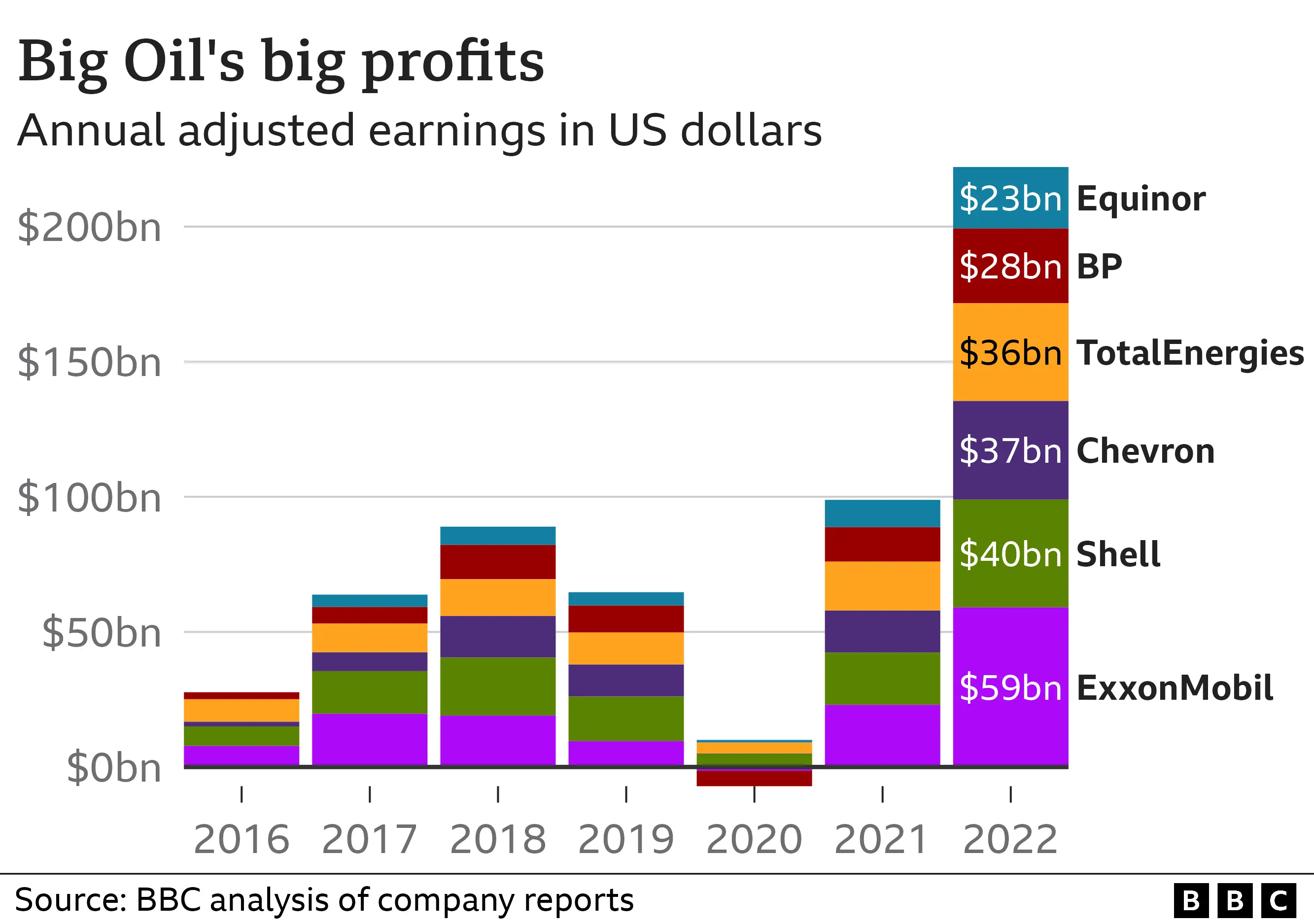
For the third consecutive reporting cycle, the world’s leading integrated energy enterprises have posted jaw-dropping quarterly financial returns, defying broader macroeconomic headwinds, inflationary pressures, and persistent murmurs of global industrial slowdowns. As boardrooms across Houston, London, and Paris tally up their balance sheets, the narrative is unambiguous: Big Oil is generating cash at a velocity that commands the attention of global financial markets, sovereign wealth funds, and legislative regulators alike.
Yet beneath the headline-grabbing net income figures lies a far more complex structural story. This is not merely a tale of high commodity prices. It is a masterclass in modern corporate engineering, aggressive capital allocation strategies, post-pandemic operational streamlining, and a ruthless commitment to shareholder value above volume expansion. In this investigative deep-dive, we examine the macroeconomic catalysts, corporate balance sheet mechanics, and long-term implications of an industry currently rewriting the rules of modern capitalism.
The Anatomy of a Super-Cycle: Catalytic Drivers Behind the Surge
Test Our Free AI & Tech Utilities Suite
Calculate LLM API token costs, analyze article dwell-time, or simulate tech DCA returns.
To understand why oil company earnings continue to skyrocket, one must first dissect the structural supply-demand imbalances that have characterized global energy markets since the post-pandemic economic reopening. Unlike historical commodity booms, where surging prices immediately triggered a frantic race for wildcat drilling and capital expenditure (CapEx) inflation, today’s executives are operating under a radically altered strategic playbook.
Geopolitical friction points—most notably the ongoing conflict in Eastern Europe and persistent instability across the Middle East—have permanently altered risk-mitigation calculus for international supply chains. European nations, scrambling to decouple from Russian pipeline gas and localized crude imports, have forced a global rerouting of liquefied natural gas (LNG) and maritime petroleum shipments. This structural reorganization has injected permanent friction and higher logistical costs into the global energy matrix, establishing a durable price floor for Brent and West Texas Intermediate (WTI) benchmarks.
Concurrently, OPEC+ has maintained an iron grip on production quotas. Saudi Arabia and its allies have demonstrated unprecedented resolve in defending price stability over market share, absorbing temporary demand softening in industrialized economies through coordinated supply throttling. For integrated supermajors—companies possessing both upstream extraction capabilities and downstream refining networks—this environment creates a potent financial flywheel.
Capital Allocation and Shareholder Returns: The New Corporate Creed

Historically, the influx of billions in excess cash led to reckless balance sheet expansion, over-leveraged M&A activity, and low-ROI mega-projects that ultimately destroyed shareholder value when commodity prices inevitably corrected. Today, institutional investors have enforced a severe disciplinary regime.
Modern energy conglomerates have pivoted away from volume-driven growth toward margin-driven resilience. Enterprise ROI and cash flow velocity now dictate executive compensation metrics. Instead of deploying billions into unproven greenfield reserves with high extraction breakeven costs, firms are directing excess liquidity toward aggressive share buyback programs, progressive dividend increases, and targeted deleveraging.
This disciplined capital allocation strategy has compressed share counts, elevated earnings per share (EPS), and forced institutional portfolio managers to reevaluate traditional valuation multiples for the energy sector. Far from being viewed as sunset industries, these firms are increasingly valued as high-yield cash-generation engines capable of buffering portfolios against broader technology sector volatility and rising interest rate environments.
Comparative Financial Metrics: Year-Over-Year Performance Analysis
The scale of this financial phenomenon is best illustrated through empirical data. The table below outlines the comparative financial performance of representative global supermajors, highlighting the dramatic expansion in net income and free cash flow relative to historical baselines.
| Enterprise / Ticker | Reporting Period | Net Income (USD) | Free Cash Flow (USD) | Share Buybacks Announced |
|---|---|---|---|---|
| ExxonMobil (XOM) | Trailing Twelve Months | $36.0 Billion | $42.5 Billion | $20.0 Billion / yr |
| Chevron (CVX) | Trailing Twelve Months | $21.3 Billion | $26.1 Billion | $15.0 Billion / yr |
| Shell PLC (SHEL) | Trailing Twelve Months | $19.4 Billion | $31.8 Billion | $3.5B per quarter |
| TotalEnergies (TTE) | Trailing Twelve Months | $18.1 Billion | $23.4 Billion | $2.0B per quarter |
Industry & Market Implications: Winners, Losers, and Systemic Risk
The widening fiscal gap between energy corporations and the broader consumer economy has profound socio-political repercussions. While institutional shareholders and retail investors reap the windfall of high dividend yields, everyday consumers face stubborn inflationary pressures at fuel pumps and utility meters. This dynamic has reignited legislative scrutiny regarding windfall profit taxes, price-gouging investigations, and heightened regulatory compliance mandates.
Who Wins:
- Institutional Asset Managers & Pension Funds: Energy weightings within major indices (such as the S&P 500 and FTSE 100) have consistently outperformed growth and tech equities during periods of macroeconomic volatility, serving as reliable yield providers.
- Oilfield Services Sector: Companies specializing in deepwater extraction technology, digital seismic imaging, and advanced cloud compute architecture for reservoir modeling are enjoying secondary wave revenue growth as operators selectively upgrade high-margin assets.
- Petro-States and Sovereign Wealth Entities: Nations reliant on hydrocarbon exports are leveraging accumulated capital reserves to fund aggressive national diversification strategies, infrastructure scalability projects, and sovereign technology investments.
Who Loses:
- Energy-Intensive Manufacturing: Chemical, steel, and heavy industrial firms operating in regions with high energy baseload costs face severe margin compression relative to international competitors situated in lower-cost jurisdictions.
- Aggressive Pure-Play Renewables: With fossil fuel incumbents generating immense cash flows while scaling back early-stage, low-return green energy projects in favor of shareholder appeasement, clean-tech financing has experienced significant valuation corrections.
Frequently Asked Questions (People Also Ask)
Why are oil company earnings so high right now?
Oil company earnings are soaring due to a combination of structurally elevated global crude benchmarks, disciplined capital expenditure by major producers, strong downstream refining margins, and persistent geopolitical supply chain frictions. Unlike past cycles where high prices sparked overproduction, executives are prioritizing strict capital discipline and cash conservation.
Are oil companies investing in renewable energy with their record profits?
While major European supermajors (such as Shell and TotalEnergies) maintain diversified low-carbon portfolios including solar, wind, and EV charging infrastructure, North American giants (like ExxonMobil and Chevron) have largely prioritized returning capital to shareholders and investing in lower-carbon fossil technologies like carbon capture and storage (CCS) and hydrogen.
How do oil companies use their excess free cash flow?
The vast majority of excess free cash flow is currently directed toward multi-billion-dollar share repurchase programs, dividend increases, and strategic debt reduction. This shareholder-first strategy has fundamentally altered how institutional investors value the energy sector.
Could governments implement windfall profit taxes on these earnings?
Windfall profit taxes remain a frequent subject of legislative debate, particularly in Europe and parts of the Americas during periods of high consumer energy costs. While some jurisdictions have enacted temporary levies, energy companies frequently warn that such taxation undermines long-term infrastructure investment and supply security.
Future Outlook: Strategic Horizons and Key Milestones to Watch
As the global economy navigates a complex transition phase characterized by shifting monetary policies, artificial intelligence-driven power demands, and evolving environmental regulations, Big Oil finds itself in an enviable yet precarious position.
Over the next 12 to 24 months, market analysts will closely monitor three critical vectors:
- OPEC+ Production Rebalancing: Decisions regarding the unwinding of voluntary supply cuts will serve as the primary barometer for near-term price stability.
- Capital Expenditure Shifts: Any sudden pivot toward aggressive upstream drilling or large-scale M&A consolidation will signal whether corporate discipline is holding firm or beginning to fracture.
- Regulatory & Legal Pressures: Ongoing litigation surrounding carbon emissions, regulatory compliance standards, and potential taxation policies will dictate the long-term cost structure of international operations.
Ultimately, Big Oil’s current financial triumph is a testament to operational agility and ruthless capital discipline. Whether this cash-generation machine can permanently adapt to a carbon-constrained global economy remains the ultimate strategic question of our era.