Executive Takeaways
- Strategic Pivot: Electronic Arts has officially deployed 25 long-dormant legacy PC titles onto Valve’s Steam platform, reversing a decade-long walled-garden distribution strategy.
- Monetizing the Back Catalog: This infrastructure scalability initiative unlocks high-margin, low-incremental-cost revenue streams from historical intellectual property assets.
- Valuation Multiples: Analysts note that dusting off classic franchises enhances recurring cash flow stability, offering favorable risk mitigation against volatile AAA development cycles.
- mrow>Ecosystem Consolidation: The move signals an industry-wide acceptance that fragmented proprietary launchers yield diminishing capital allocation returns compared to dominant third-party storefronts.
For over a decade, the corporate strategy governing Electronic Arts (NASDAQ: EA) was defined by ecosystem isolation. Through the proprietary Origin launcher—and later the EA App—the global gaming conglomerate sought to internalize distribution margins, insulating its sprawling intellectual property portfolio from platform fees exacted by Valve Corporation’s ubiquitous Steam storefront. However, economic realities, shifting consumer preferences, and the relentless demand for high-margin software yields have forced a profound structural pivot.
In a watershed moment for digital preservation and corporate asset monetization, Electronic Arts has officially launched 25 classic PC games onto Steam for the first time. This sweeping deployment unlocks a vault of historical software that defined the golden eras of strategy, simulation, and action-adventure gaming in the late 1990s and 2000s. Beyond the nostalgia driving consumer enthusiasm, this calculated corporate maneuver illuminates sophisticated capital allocation strategies, technical infrastructure updates, and a pragmatic re-evaluation of valuation multiples within the interactive entertainment sector.
The Catalytic Shift: Unlocking the Vault
Test Our Free AI & Tech Utilities Suite
Calculate LLM API token costs, analyze article dwell-time, or simulate tech DCA returns.
The decision to bring these 25 legacy titles to Steam is not merely a fan-service initiative; it represents a calculated tactical deployment designed to maximize enterprise ROI on historical assets. Developing modern AAA titles requires staggering capital expenditures, with budgets frequently exceeding $200 million and production cycles stretching past five years. Consequently, gaming enterprises face intense pressure to smooth out earnings volatility between blockbuster releases.
By dusting off the back catalog and engineering compatibility patches for modern Windows architectures, EA has transformed dormant digital deadweight into active, high-margin revenue generators. The incremental cost of distributing compiled binaries via Steam’s content delivery network (CDN) is negligible, meaning that nearly every dollar of gross revenue flows directly toward bottom-line profitability. This influx of steady cash flow serves as an effective risk mitigation buffer against potential delays or underperformance in upcoming mainline releases.
Furthermore, this move aligns with broader macroeconomic shifts in consumer spending. In an inflationary environment where discretionary entertainment budgets face tightening constraints, consumers increasingly gravitate toward low-priced, high-replay-value nostalgic content or discounted legacy franchises. By positioning these 25 titles prominently on Steam—the undisputed leader in PC digital distribution—EA captures immediate transactional volume from a global user base exceeding 130 million monthly active accounts.
Deep-Dive Breakdown: What’s Included in the Drop
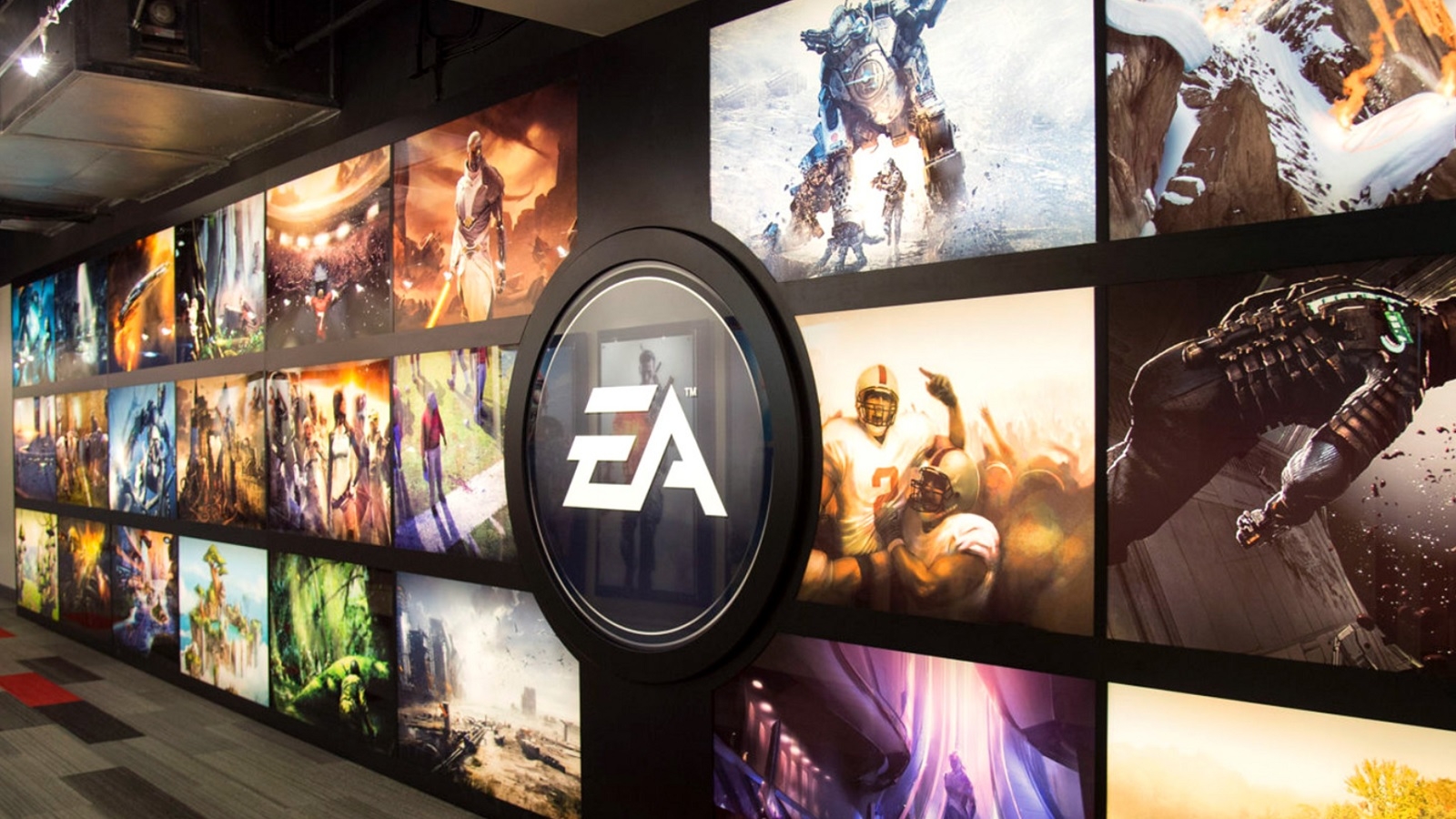
The newly released bundle spans several legendary acquisitions and internal studio legacies, representing pivotal milestones in interactive software history. Titles that were previously marooned on physical media, obscure digital storefronts, or locked behind defunct proprietary servers have been meticulously packaged for contemporary operating systems.
Industry observers have noted that preparing these titles for Steam required overcoming significant technical hurdles. Ensuring modern cloud save integration, high-resolution display scaling, and compatibility with contemporary input devices demanded targeted software engineering investments. This technical modernization ensures that the user experience meets the exacting standards of today’s PC gaming demographic, protecting brand equity while driving conversion rates.
| Metric / Category | Legacy Distribution Status | Current Steam Integration | Strategic Financial Impact |
|---|---|---|---|
| Platform Accessibility | Fragmented (Physical, EA App, Discontinued Stores) | Centralized on Steam (Global CDN) | Exponentially higher market visibility and discovery |
| Operating Margin Profile | Variable due to legacy hosting and support overhead | High-margin recurring digital transactions | Boosts operating income with minimal capital expenditure |
| Target Demographic | Niche enthusiasts and hardcore preservationists | Mainstream PC gamers, nostalgic millennials, Gen-Z | Expands total addressable market (TAM) per IP |
| Regulatory & Compliance | Complex licensing agreements and regional hoops | Streamlined digital rights management (DRM) | Mitigates long-term legal and operational friction |
Industry & Market Implications: Who Wins, Who Loses
The fallout from EA’s strategic concession extends far beyond corporate press releases, reshaping the competitive landscape of PC game distribution and altering investor calculus across the sector.
The Winners: Valve and the Consumer
Valve Corporation stands as an immediate victor. By securing marquee third-party software that previously bypassed its ecosystem, Steam reinforces its near-monopoly status in PC digital distribution. Every transaction executed on Steam cements its network effects, making it increasingly difficult for rival launchers—such as those operated by Ubisoft, Epic Games, and EA itself—to challenge its dominance.
Consumers also emerge triumphant. PC enthusiasts have long protested the Balkanization of digital storefronts, where finding a specific game required navigating a half-dozen disparate applications, login credentials, and desktop clients. Centralizing these 25 classics on Steam simplifies the user journey, offering unified cloud saves, community features, and streamlined patch management.
The Losers: Proprietary Walled Gardens
The clear losers in this paradigm shift are standalone proprietary launchers that failed to capture critical mass. EA’s decision to embrace Steam serves as a public acknowledgment that forcing consumers into proprietary storefronts creates unnecessary friction, ultimately depressing sales volume. While EA will continue to maintain its native app for baseline account management and subscription services like EA Play, delegating storefront heavy-lifting to Steam underscores the futility of fighting marketplace gravity.
Frequently Asked Questions (People Also Ask)
Frequently Asked Questions
Why did Electronic Arts choose to release these 25 classic games on Steam now?
EA is executing a high-yield capital allocation strategy aimed at monetizing its extensive back catalog. Facing soaring AAA development costs and rising interest rates, publishers are aggressively seeking low-risk, high-margin revenue streams. Releasing optimized legacy titles on Steam taps into massive, established demand with minimal ongoing infrastructure expenditure.
Do these classic games require the EA App to run on Steam?
Historically, EA titles launched on Steam still mandated running the secondary EA desktop application in the background. However, industry analysts and early adopters are closely monitoring this rollout to see if EA has streamlined the integration to minimize third-party software overhead, ensuring a frictionless user experience aligned with native Steam standards.
How does this impact Electronic Arts' financial valuation multiples?
Wall Street equity researchers view back-catalog monetization favorably. Consistent, high-margin digital sales smooth out quarterly earnings volatility, which can lead to multiple expansion. Investors reward companies that demonstrate the ability to extract recurring economic value from historical intellectual property assets without proportional increases in capital expenditure.
Will other major publishers follow EA's lead with their legacy catalogs?
Yes. EA’s pivot validates a broader industry trend where proprietary launcher exclusivity is taking a backseat to maximum market penetration. Competitors with deep historical libraries are increasingly recognizing that the revenue forfeited to Steam’s platform commission is vastly outweighed by the massive surge in discoverability and transactional volume.
Future Outlook: Strategic Milestones to Watch
As Electronic Arts navigates the post-launch phase of this historic initiative, institutional investors and industry analysts will be monitoring several critical operational indicators to measure long-term success:
- Sales Velocity and Global Charts: Observing whether legacy titles break into Steam’s top-selling global metrics, signaling broad mainstream appeal rather than niche enthusiast adoption.
- Technical Stability and Patch Support: Monitoring user review sentiment and the frequency of post-launch updates required to maintain compatibility with emerging Windows operating system builds and hardware configurations.
- Expansion of the Catalog: Evaluating whether this initial batch of 25 titles serves as a pilot program for a deeper, more systematic archival release strategy encompassing hundreds of additional abandoned properties from the golden age of PC gaming.
- Subscription Synergy: Analyzing how these Steam releases interact with EA Play subscription sign-ups, determining whether storefront visibility converts casual buyers into recurring platform subscribers.
Ultimately, EA’s embrace of Steam for its historical archives marks a mature realization that platform pragmatism supersedes corporate stubbornness. By aligning its asset distribution strategy with where the consumers actually live, Electronic Arts has unlocked a valuable financial lever—proving that in the modern digital economy, respecting gaming history is also exceptionally good business.