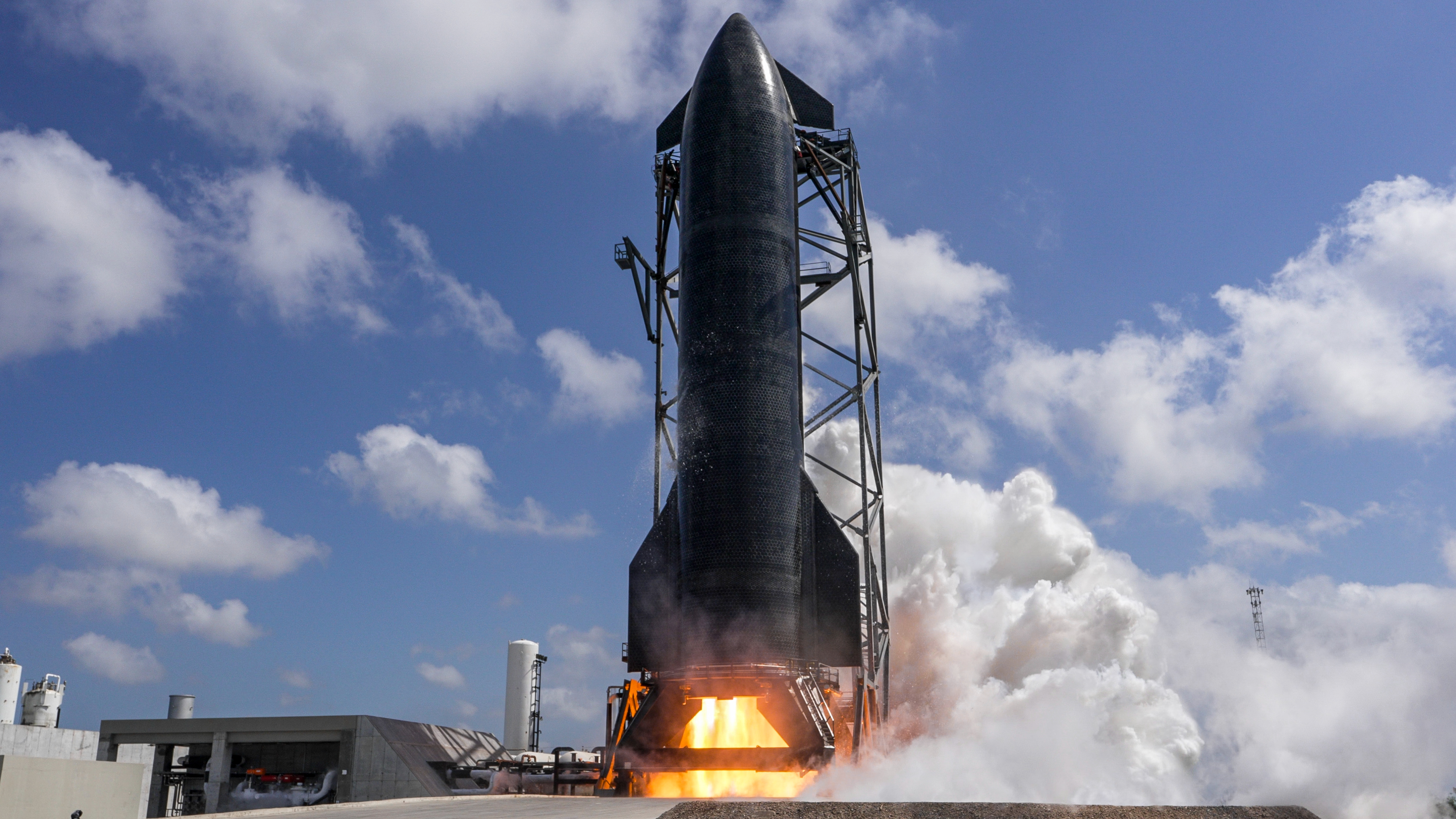
Mars in Sight: Elon Musk Sets March Date for SpaceX’s High-Stakes 2026 Starship Debut
WASHINGTON — SpaceX is gearing up for a monumental leap in commercial spaceflight. Elon Musk has officially confirmed that the first test flight of the agency’s colossal Starship rocket for 2026 is locked in for early March, placing a definitive timeline on a mission that promises to reshape the economics of global aerospace, defense, and orbital logistics.
The announcement, delivered via a high-profile statement on social media, sets the countdown at roughly six weeks. For institutional investors, global supply chain executives, and space economy analysts, the upcoming launch represents far more than another experimental test. It is a critical financial and technological stress test for the world’s most powerful operational heavy-lift vehicle—one designed to eventually ferry cargo and crews to the Moon and Mars, while drastically undercutting legacy launch costs.
The Stakes Are Sky-High: Why the March Flight Matters
As aerospace markets continue to experience unprecedented capital inflows, the pressure on SpaceX to execute a flawless flight is mounting. Starship’s architecture is the foundational bedrock for NASA’s Artemis III mission, which aims to land American astronauts back on the lunar surface. Any deviation from the schedule ripples directly through federal procurement timelines, defense contracts, and commercial satellite deployment schedules.
Market observers tracking the aerospace sector note that SpaceX’s rapid iterative development model—often summarized as "build, fly, fail, fix"—has historically yielded massive long-term dividends despite short-term setbacks. However, with regulators watching closely and international competitors accelerating their own heavy-lift programs, the March launch window carries profound strategic weight.
- Commercial Disruption: Starship’s fully reusable design threatens to render traditional expendable rockets economically obsolete, driving down cost-per-kilogram metrics to unprecedented lows.
- Artemis Timeline Impact: NASA’s lunar ambitions are tightly coupled to SpaceX’s success, making every flight test a bellwether for the broader space exploration sector.
- Orbital Economy: The sheer payload capacity enables the deployment of next-generation mega-constellations and massive space-based infrastructure in a single launch cycle.
- Regulatory Scrutiny: Environmental assessments and Federal Aviation Administration (FAA) oversight will heavily dictate the immediate turnaround time following the March liftoff.
Inside the Engineering Overhauls
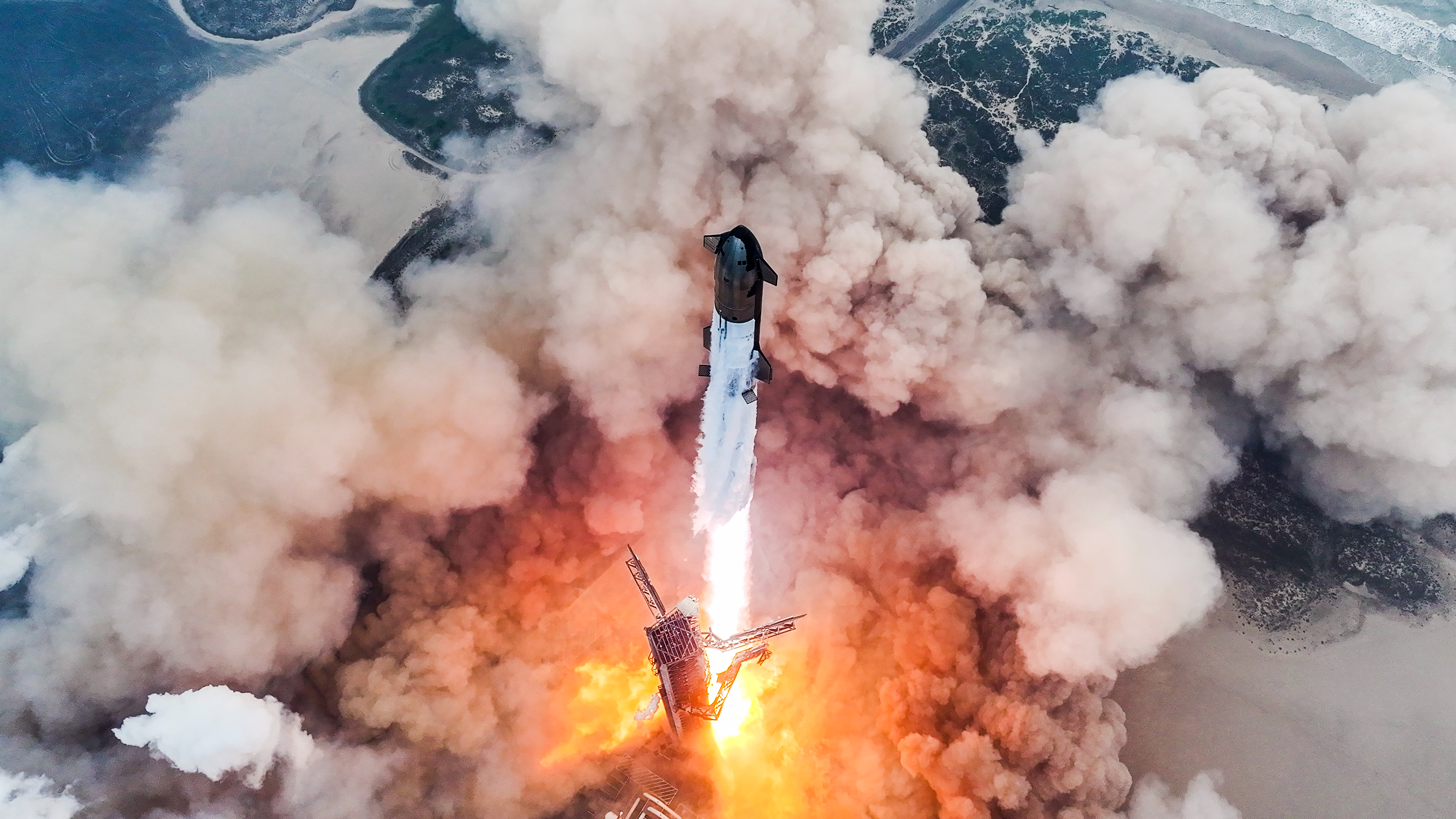
Following data harvested from previous integrated flight tests, SpaceX engineers have implemented a series of critical upgrades to both the Super Heavy booster and the Starship spacecraft. Thermal protection system tiles have been redesigned, hot-staging mechanisms refined, and software redundancies enhanced to ensure maximum survivability during atmospheric re-entry.
Industry insiders point out that mastering rapid reusability is the holy grail of modern aerospace economics. If SpaceX can demonstrate a smoother descent and controlled ocean or tower catch for both stages in March, the valuation of private space enterprises could see another dramatic upward re-rating.
| Metric / Parameter | Specification Details |
|---|---|
| Primary Wire Source | Universe Space Tech |
| Announcement Date | January 29, 2026 |
| Target Launch Window | Early March 2026 (Approximately 6 weeks out) |
| Vehicle Designation | SpaceX Starship & Super Heavy Booster |
| Strategic Objective | Validate reusability, thermal shielding, and orbital insertion capabilities |
Economic and Geopolitical Ripple Effects
The macroeconomic implications of a successful Starship program extend far beyond satellite internet and lunar exploration. Global logistics, point-to-point terrestrial travel, and orbital manufacturing are all sectors eyeing the Starship platform as a transformative catalyst. Defense analysts also emphasize the strategic advantage of rapidly deploying heavy payloads anywhere on Earth within hours.
Competitors in Europe, Asia, and domestic legacy firms are watching with a mix of anxiety and ambition. While state-backed space agencies deliberate over multi-billion-dollar budgets, SpaceX’s private-capital velocity continues to redefine how fast heavy aerospace hardware can move from drawing board to launchpad.
What to Watch in the Weeks Ahead
As the early March launch window approaches, market participants will be monitoring several key milestones:
- Static Fire Tests: Ground testing of the Raptor engines at Starbase in Boca Chica, Texas.
- Regulatory Clearances: Final environmental and safety sign-offs from federal authorities.
- Payload Manifest Confirmations: Whether SpaceX will attempt any simulated deployment maneuvers during the suborbital trajectory.
With billions of dollars in commercial contracts and national prestige hanging in the balance, the next six weeks will test not only SpaceX's engineering mettle but also the resilience of the global commercial space market.
Frequently Asked Questions
When is the next Starship flight scheduled to take place?
SpaceX has set the target for the first Starship test flight of 2026 for early March, roughly six weeks following the late January announcement by CEO Elon Musk.
Why is this specific test flight so important for the aerospace market?
This flight serves as a crucial milestone for validating Starship's reusability, thermal protection systems, and structural enhancements. Its success directly impacts NASA’s Artemis lunar timeline and the broader economics of heavy-lift commercial space operations.