- The Core Trade-off: Apple executives defended the omission of a 120Hz ProMotion display on the latest iPad Mini, prioritizing aggregate gross margins and component cost structures over premium display adoption.
- Supply Chain Realities: Integrating an oxide thin-film transistor (TFT) backplane required for variable refresh rates would have significantly altered capital expenditure and production yields at this price tier.
- Market Positioning: Apple is deliberately preserving a wide feature gap between its entry-to-mid consumer slate and the professional-grade iPad Pro lineup to protect average selling prices (ASPs).
- Investor & Financial Impact: Wall Street analysts view the decision as a disciplined risk mitigation strategy that safeguards high-margin product mix dynamics amid inflationary pressures.
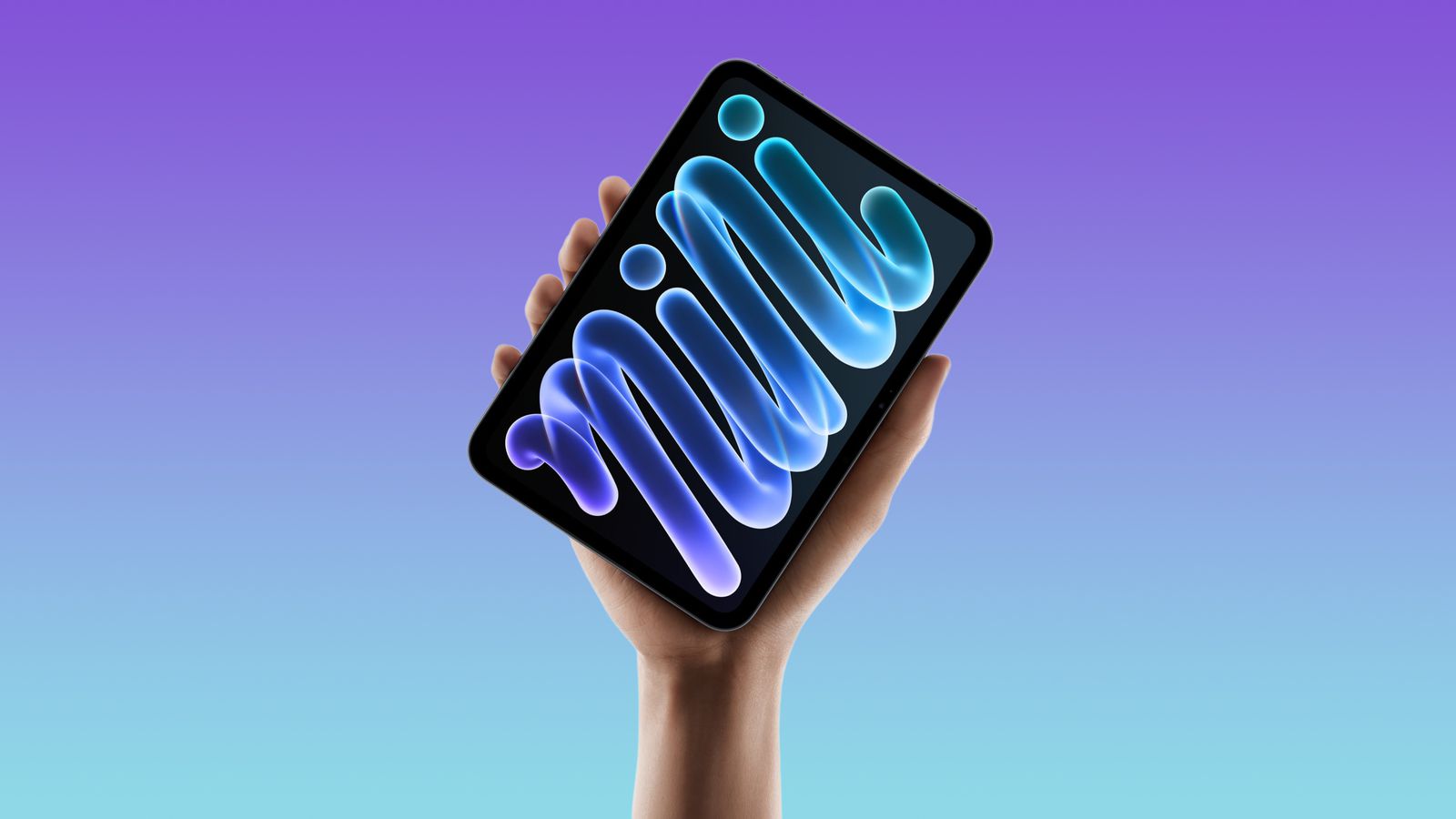
For weeks leading up to the quiet autumn product refresh, Cupertino’s supply chain whispers and consumer forums were consumed by a singular question: Would Apple finally bring its buttery-smooth 120Hz ProMotion technology to the form-factor favorite, the iPad Mini? When the spec sheets dropped, confirming a standard 60Hz liquid crystal display, a wave of digital discontent rippled across tech communities. Now, senior Apple executives have broken their silence, offering a rare, candid defense of the engineering and financial constraints that dictated the product's ultimate architecture.
Speaking to trade publications and financial analysts, company insiders outlined a complex matrix of consumer economics, supply chain logistics, and strategic product differentiation. Far from an arbitrary oversight, the exclusion of a high-refresh-rate panel on the seventh-generation iPad Mini represents a masterclass in margin preservation and capital allocation—a decision that directly impacts valuation multiples, enterprise ROI for mobile deployments, and long-term hardware ecosystem stickiness.
The Anatomy of a Design Compromise: Understanding the 60Hz Decision
Test Our Free AI & Tech Utilities Suite
Calculate LLM API token costs, analyze article dwell-time, or simulate tech DCA returns.
To comprehend why the latest compact tablet ships with a 60Hz refresh rate, one must examine the intricate physics and procurement economics of modern mobile displays. The 120Hz ProMotion standard, which Apple introduced to the iPad Pro line in 2017 and later expanded to iPhone Pro models, relies on Oxide TFT (IGZO) or Low-Temperature Polycrystalline Oxide (LTPO) backplanes. These advanced architectures allow the display to dynamically scale its refresh rate—dropping as low as 1Hz for static reading or surging to 120Hz for high-velocity scrolling and Apple Pencil interactions.
Implementing an LTPO or advanced oxide panel on a sub-$500 device introduces formidable manufacturing hurdles. Yield rates for smaller high-refresh-rate panels remain tightly optimized for flagship smartphone tiers, where consumer willingness to pay absorbs higher bill-of-materials (BOM) costs. According to supply chain analysts, retrofitting the iPad Mini chassis with a ProMotion-capable screen would have compressed gross margins significantly or forced a retail price hike, dampening volume velocity in key education and enterprise vertical markets.
"When you evaluate hardware architecture at this scale, every milligram and fractional dollar in the component ledger matters," noted a senior tech sector investment banker tracking Apple's supply chain infrastructure. "Apple’s executive team is relentlessly focused on maintaining blended gross margins above 40%. Introducing ProMotion to the Mini tier without raising the entry price would have disrupted their disciplined margin guardrails."
Market Segmentation and Portfolio Defense

Beyond raw manufacturing costs, the decision underscores a foundational pillar of Apple’s product marketing strategy: strict vertical tiering. Apple maintains an expansive portfolio designed to capture distinct consumer willingness-to-pay segments, from the budget-conscious base iPad to the productivity-focused iPad Air and the ultra-premium iPad Pro.
If the iPad Mini—priced starting at $499—were to receive a 120Hz ProMotion display alongside support for advanced accessories, it would cannibalize the value proposition of the $599 11-inch iPad Air and even challenge the lower-end configurations of the $799 iPad Pro. Wall Street often models Apple’s success around average selling price (ASP) expansion. By reserving high-refresh-rate panels for Pro-tier devices, Apple protects its pricing power and incentivizes power users to trade up.
However, this strategy carries calculated risks. In an era where even mid-range Android tablets and budget smartphones frequently boast 90Hz or 120Hz displays as standard, discerning consumers and tech enthusiasts view 60Hz panels as increasingly anachronistic. For professionals utilizing the iPad Mini for digital illustration, fast-paced note-taking, or enterprise field operations, the absence of ProMotion remains a notable friction point.
Verified Data and Specifications Breakdown
A comparative analysis of Apple’s current tablet lineup illustrates the calculated feature boundaries established by product engineering and marketing teams:
| Product Model | Starting Price (USD) | Display Technology | Refresh Rate | Target Market Segment |
|---|---|---|---|---|
| iPad (10th Gen) | $349 | Standard Liquid Retina LCD | 60Hz | Education & Mass Consumer |
| iPad Mini (A17 Pro / Gen 7) | $499 | Advanced Liquid Retina LCD (P3) | 60Hz | Mobile Professionals & Enthusiasts |
| iPad Air (M2) | $599 | Liquid Retina LCD (Wide Color) | 60Hz | Mainstream Productivity & Creative |
| iPad Pro (M4) | $999 | Ultra Retina Tandem OLED | 120Hz (ProMotion) | Enterprise Power Users & Creatives |
Industry and Market Implications
The executive commentary surrounding the iPad Mini's display specifications reverberates across institutional equity research desks and component manufacturing hubs. For investors, Apple's discipline in holding back high-end features from lower-tier devices validates the company's robust pricing power and valuation multiples. By avoiding margin dilution on high-volume hardware lines, Apple continues to generate extraordinary free cash flow, supporting aggressive share buyback programs and robust dividend distributions.
Conversely, enterprise IT buyers and mobile device management (MDM) administrators tracking hardware fleet deployments note that while the iPad Mini lacks ProMotion, its inclusion of the A17 Pro chip (enabling Apple Intelligence features) ensures long-term software support and robust cloud compute architecture integration. For corporate deployments in aviation, logistics, and healthcare—where the compact form factor is paramount—processing capability and battery longevity far outweigh display refresh rates.
Competitors in the Android ecosystem, meanwhile, view Apple's conservative stance as an opening. OEMs such as Samsung, Lenovo, and Xiaomi frequently leverage hardware specification advantages—including high-refresh-rate AMOLED displays and bundled styluses—to capture market share among value-driven prosumers. However, Apple’s unmatched application ecosystem and silicon optimization continue to insulate its hardware base from significant customer churn.
Frequently Asked Questions (People Also Answered)
Why did Apple omit the 120Hz ProMotion display from the new iPad Mini?
Apple's decision is primarily driven by component cost structures, manufacturing yield constraints for advanced oxide/LTPO backplanes, and the strategic need to maintain strict feature differentiation between consumer-tier devices and professional-grade iPad Pro models.
Does the lack of 120Hz affect Apple Intelligence or core processing performance?
No. The latest iPad Mini is powered by the A17 Pro chip, which features a robust neural engine designed to fully support Apple Intelligence features, heavy multitasking, and demanding graphic workloads without relying on display refresh rates.
Will future iterations of the iPad Mini eventually receive ProMotion displays?
While Apple executive teams do not pre-announce roadmap specifications, industry supply chain analysts anticipate that as LTPO manufacturing costs decrease and consumer expectations shift, high-refresh-rate technology will eventually trickle down to the iPad Mini and iPad Air lines in future product cycles.
How does the iPad Mini display compare to competitors in the same price bracket?
At the $499 price point, the iPad Mini offers industry-leading color accuracy (P3 wide color) and lamination, though several competing Android tablets offer higher refresh rates (90Hz or 120Hz) at the expense of processor performance and long-term software update longevity.
Future Outlook and Key Milestones to Watch
As the consumer electronics market navigates shifting macroeconomic headwinds, enterprise IT spending adjustments, and supply chain normalization, Apple’s hardware strategy will face continued scrutiny. Investors and industry analysts will closely monitor several upcoming milestones:
- Q1/Q2 Earnings Reports: Watch for average selling price (ASP) metrics and gross margin resilience in the iPad product segment to gauge whether volume demand for the current iPad Mini configuration meets internal forecasts.
- Component Cost Trajectories: Track semiconductor and display panel pricing indices for oxide TFT and LTPO backplanes to determine when cost parity might allow Apple to democratize 120Hz technology across mid-tier tablets.
- Adoption Rates of Apple Intelligence: Evaluate how user engagement with AI-driven features on the A17 Pro-powered iPad Mini influences upgrade cycles, potentially overshadowing display hardware limitations in consumer purchasing decisions.
Ultimately, Apple's defense of the iPad Mini's 60Hz display highlights a timeless corporate truth: product engineering is rarely about what is technically possible, but rather what is economically optimal within a disciplined, high-margin business model.