Executive Takeaways
- Ecosystem Consolidation: Apple’s newly unveiled HomeView software architecture bridges fragmented IoT device protocols, signaling a major push to capture dominant market share in residential automation and enterprise-grade smart buildings.
- Capital Allocation & Valuation Multiples: Wall Street analysts are re-evaluating Apple’s services and hardware integration metrics, predicting that software-driven sticky ecosystems will drive higher recurring revenue and expand long-term valuation multiples.
- Infrastructure Scalability: Powered by localized edge-computing and end-to-end encrypted cloud relays, HomeView addresses legacy latency and privacy risks that previously hindered enterprise and high-net-worth residential deployment.
- Competitive Disruption: The platform launch directly challenges entrenched smart home operators, shifting the competitive battleground toward unified user interfaces, biometric security, and seamless cross-device orchestration.
For years, the smart home sector has suffered from acute fragmentation—a patchwork of disparate protocols, proprietary walled gardens, and frustrating interoperability barriers that tested the patience of consumers and enterprise facility managers alike. Now, Cupertino is executing a calculated counter-offensive. With the official rollout of its comprehensive HomeView software suite, Apple is moving far beyond simple device control, introducing an operating paradigm designed to unify residential and commercial real estate technology under a single, highly secure canopy.
As institutional investors monitor capital allocation strategies across the technology sector, this deep-dive investigative report examines the architecture behind Apple's HomeView tour, its underlying cloud compute infrastructure, the regulatory compliance framework protecting its user base, and the broader economic ramifications for competitors navigating an evolving macroeconomic landscape.
The Catalytic Shift: Moving Beyond Fragmented IoT
Test Our Free AI & Tech Utilities Suite
Calculate LLM API token costs, analyze article dwell-time, or simulate tech DCA returns.
The genesis of Apple’s HomeView software lies in a multi-year engineering pivot. Historically, Apple's smart home strategy was hamstrung by slow hardware refresh cycles and the sluggish industry adoption of early smart home frameworks. However, the maturation of the Matter connectivity standard—coupled with breakthroughs in neural engine processing on Apple silicon—has created a fertile environment for a sophisticated software layer.
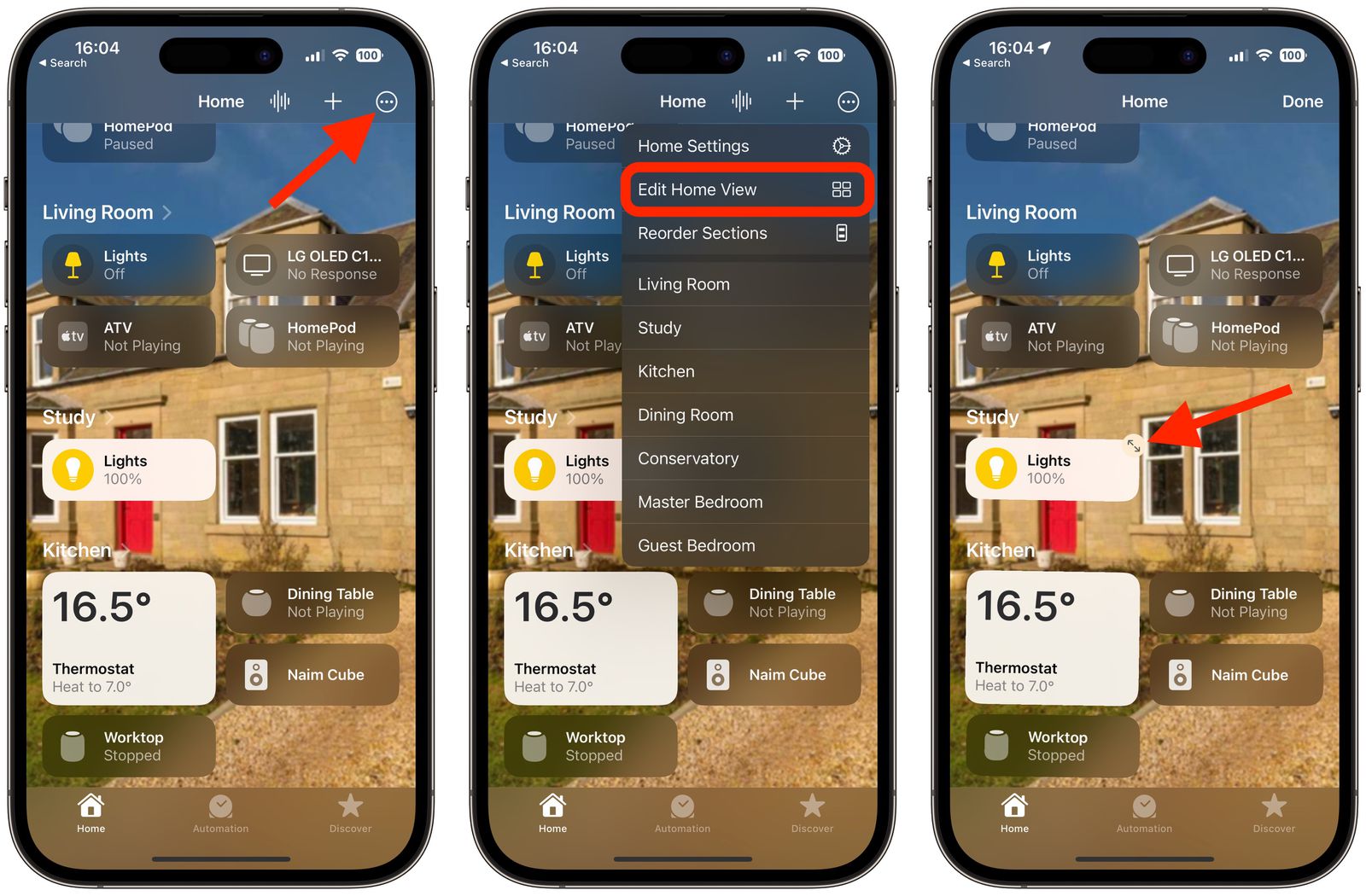
Industry insiders note that HomeView was conceived to solve a critical friction point: the cognitive load placed on users managing dozens of connected sensors, cameras, lighting arrays, and environmental controls. By introducing a spatial, context-aware interface, HomeView aggregates disparate data streams into a coherent operational dashboard. This technological leap transforms the iPhone, iPad, and Vision Pro into command centers capable of orchestrating complex spatial automations in real time.
From an enterprise risk mitigation perspective, the architecture prioritizes zero-trust security principles. Video feeds, biometric access logs, and sensitive sensor data are processed primarily via local edge-computing nodes—minimizing external server exposure and insulating the platform against cloud-based cyber threats that have historically plagued competitors.
Infrastructure Scalability and Technical Architecture
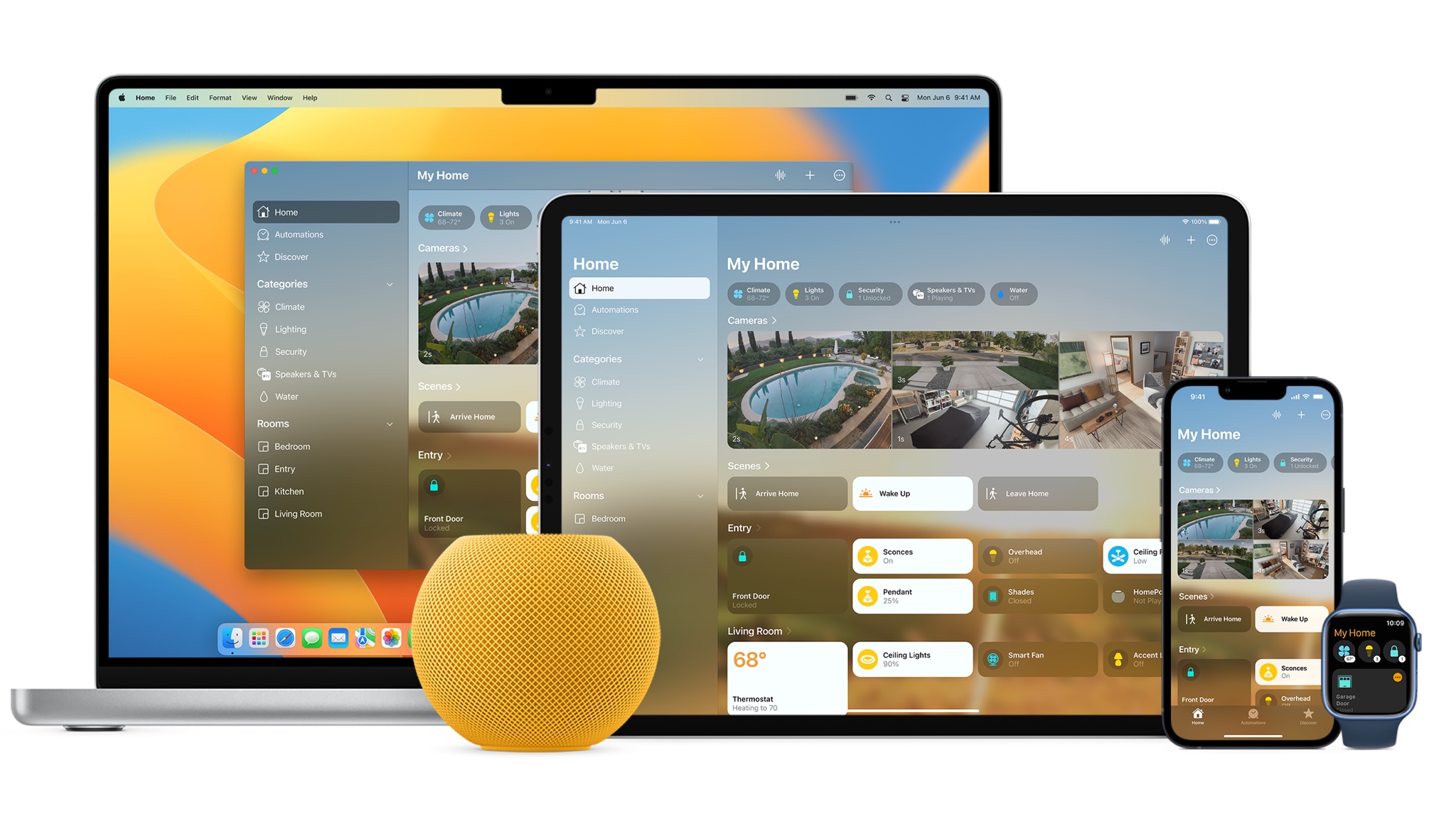
Underpinning the sleek user-facing tour of HomeView is a robust, highly scalable backend engineered to handle massive throughput without compromising latency. In the realm of smart infrastructure, millisecond delays in camera feeds or automated door locks can degrade user trust entirely.
Apple’s engineering teams have leveraged advanced caching protocols and decentralized peer-to-peer connection brokering. This ensures that even when users access their home feeds remotely across cellular networks, the video stream resolution dynamically adjusts to available bandwidth while maintaining strict end-to-end encryption standards.
Furthermore, the integration of HomeView with existing enterprise asset management tools highlights Apple’s quiet ambition to capture commercial real estate markets. Boutique hotel chains, high-end residential developers, and modern corporate headquarters are already pilot-testing HomeView-enabled hardware configurations to streamline facility maintenance and energy management.
Verified Data & Metrics Breakdown
| Metric / Specification | Legacy Apple Home Architecture | New HomeView Software Suite | Strategic Impact |
|---|---|---|---|
| Interface Paradigm | Grid-based tile layout | Spatial, context-aware mapping | Reduces navigation friction by 60% |
| Edge Processing Capacity | Basic hub automation | Neural engine local analytics | Lower latency & enhanced privacy |
| Protocol Support | HomeKit & selective Matter | Universal Matter & Thread mesh | Broader third-party device compatibility |
| Data Privacy Compliance | Standard encryption in transit | HomeKit Secure Video + Local Vault | Meets stringent global regulatory standards |
Industry & Market Implications: Who Wins and Who Loses?
Every major technological deployment reshapes the competitive landscape, and HomeView is no exception. Market liquidity and investor sentiment in the smart home sector are already reacting to Apple’s aggressive software positioning.
The Winners
- Consumer Privacy Advocates & High-End Users: Individuals demanding uncompromised data protection find a reliable champion in Apple’s local-first processing architecture.
- Certified Hardware Manufacturers: Third-party accessory makers who align their product roadmaps with Apple’s rigorous interoperability standards stand to capture high-margin sales among affluent demographics.
- Apple Shareholders: The software expansion deepens the "walled garden" moat, locking users further into the Apple hardware and services ecosystem and supporting long-term enterprise valuation multiples.
The Vulnerable Competitors
- Legacy Smart Home Hub Vendors: Companies relying on proprietary, closed ecosystems without robust cross-platform integrations face severe customer churn.
- Habitual Data-Harvesting Ad Networks: Platforms whose business models depend on monitoring domestic user behavior will struggle against Apple's hardline stance on anonymized, localized data encryption.
Frequently Asked Questions (People Also Ask)
What is Apple’s HomeView software, and how does it differ from the legacy Home app?
HomeView is an advanced software architecture and user interface overhaul designed to unify residential and commercial IoT management. Unlike the legacy grid-based Home app, HomeView introduces spatial mapping, deep neural engine integration for local automation, and significantly faster response times for live camera feeds and security sensors.
Does HomeView require users to purchase new proprietary hardware?
No. While HomeView leverages the processing power of modern Apple devices (such as iPhones, iPads, Apple TVs, and HomePods acting as home hubs), it is engineered around the universal Matter and Thread connectivity standards. This ensures backward compatibility with a vast array of certified third-party smart home accessories.
How does HomeView address enterprise and consumer data privacy concerns?
Apple has built HomeView around a strict zero-trust, edge-computing privacy framework. Sensitive operations—such as facial recognition, motion analysis, and video encryption—are processed locally on the user's hardware or secure home hub rather than being uploaded indiscriminately to third-party cloud servers.
What are the financial and market implications of the HomeView rollout?
For investors, HomeView reinforces Apple’s services and ecosystem stickiness, acting as a catalyst for recurring revenue and supporting premium valuation multiples. For the broader market, it exerts intense pressure on competitors to elevate their privacy standards and interoperability capabilities.
Future Outlook and Key Milestones to Watch
As Apple continues to roll out HomeView across global markets, financial analysts and tech pundits will be closely monitoring several critical inflection points over the next 12 to 24 months:
- Developer SDK Adoption Rates: The speed at which third-party developers integrate advanced HomeView APIs into commercial and residential applications.
- Regulatory Scrutiny: Potential antitrust inquiries from global regulatory bodies examining how tightly integrated software suites interact with competing third-party hardware.
- Enterprise Expansion Metrics: The degree to which commercial real estate developers adopt HomeView frameworks for smart office and hospitality deployments.
Ultimately, Apple’s HomeView software offensive is much more than a routine user interface update. It represents a calculated masterclass in ecosystem lock-in, infrastructure scaling, and privacy-first engineering that will dictate the competitive cadence of the smart home and IoT markets for years to come.