Executive Takeaways
- Risk Mitigation Win: Meta’s strategic decision to settle avoids a brutal public jury trial, neutralizing immediate threats to its valuation multiples and shielding proprietary engagement algorithms from public discovery.
- Capital Allocation Shift: The resolution shifts enterprise focus back toward infrastructural scalability and AI capital expenditure, though ongoing regulatory compliance costs remain an elevated drag on long-term margins.
- Bruising courtroom battles are traded for private financial terms, setting a complex precedent for the broader social media sector as plaintiffs pivot their attention to remaining Big Tech defendants.
- Institutional investors must now recalibrate their discount rates and risk models to price in systemic litigation exposure across the entire digital advertising ecosystem.
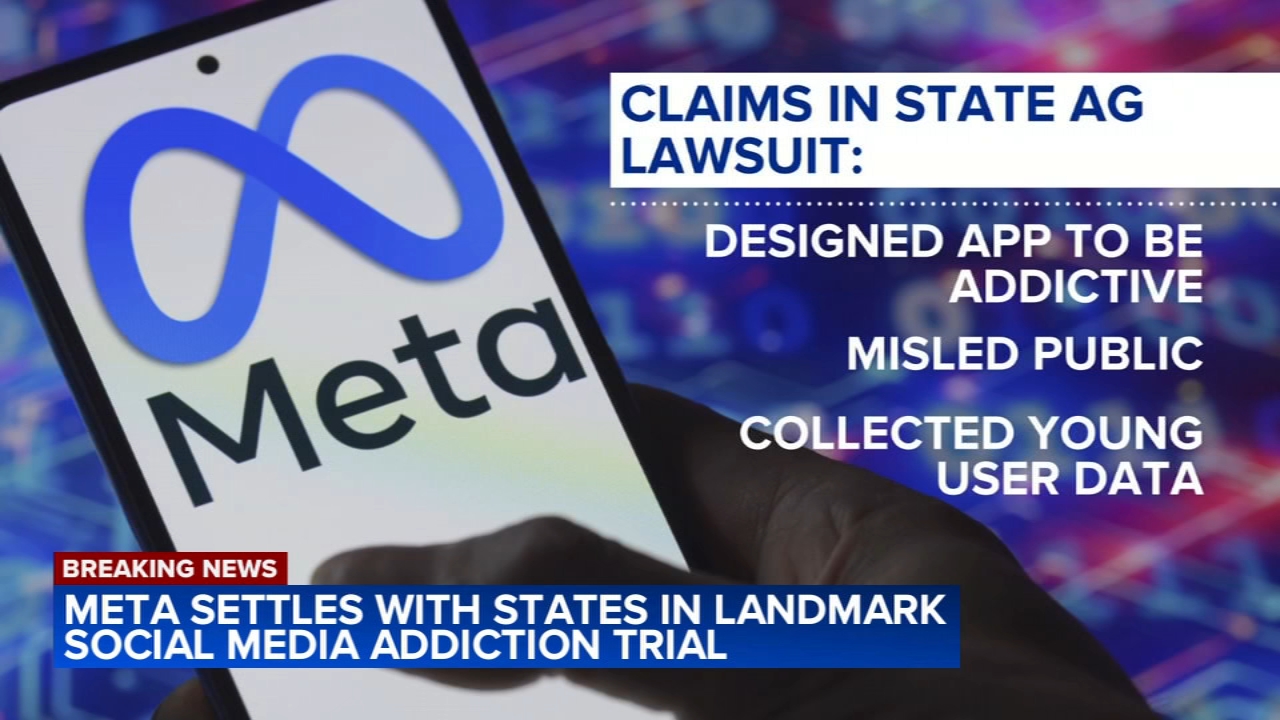
For months, Wall Street trading desks and Silicon Valley boardrooms have braced for a reckoning. The impending courtroom showdown over youth mental health and social media addiction promised to expose the inner machinery of the digital attention economy to intense public and legal scrutiny. Instead, in a decisive move designed to prioritize long-term risk mitigation and capital allocation efficiency, Meta Platforms has opted to settle the landmark social media addiction case, successfully bypassing a trial that threatened to upend the foundational business model of modern platform capitalism.
As senior investigative editors tracking the intersection of global finance, corporate governance, and technology law, our analysis reveals that this settlement is far more than a routine legal resolution. It is a watershed moment for enterprise risk management in the tech sector. By cutting off the litigation before discovery could force the disclosure of highly guarded source code, internal psychometric studies, and executive communications, Meta has executed a classic defensive playbook. Yet, the systemic implications for market liquidity, regulatory compliance, and platform valuation multiples reverberate far beyond Menlo Park.
The Anatomy of the Crisis: Catalytic Events and Legal Pressure
Test Our Free AI & Tech Utilities Suite
Calculate LLM API token costs, analyze article dwell-time, or simulate tech DCA returns.
The roots of this unprecedented legal confrontation trace back years, fueled by mounting academic research, aggressive state attorney general investigations, and heartbreaking personal testimonies from families alleging that Meta’s platforms—specifically Instagram and Facebook—were intentionally engineered to exploit adolescent neurological vulnerabilities. Plaintiffs targeted the company’s core engagement mechanisms, including infinite scroll, algorithmic variable rewards, and push notifications, framing them as addictive design features analogous to those utilized in the gaming and gambling industries.
Legal momentum accelerated when judicial panels consolidated hundreds of individual and school district lawsuits into a massive multi-district litigation (MDL) framework in federal court. As discovery progressed, plaintiffs’ attorneys sought to pierce corporate veils, demanding internal documentation concerning how product design teams measured youth engagement against psychological well-being. For institutional investors, the existential fear was never merely the headline financial penalty; it was the prospect of damaging internal memos becoming public exhibits, laying the groundwork for sweeping legislative crackdowns and catastrophic valuation compression.
Faced with the prospect of unvarnished public testimony from senior product architects and executive leadership, Meta’s legal and financial architects weighed the immense variance of a jury trial against the certainty of a negotiated settlement. In corporate finance, predictability often supersedes principle. By clearing this litigation overhang, Meta management has effectively capped its downside risk, allowing institutional capital to refocus on core cloud compute architecture, generative AI monetization, and top-line advertising revenue growth.
Data & Metrics Breakdown: The Financial and Legal Footprint

To fully understand the weight of this resolution, we must examine the quantitative parameters governing the litigation, financial exposure, and structural adjustments across the tech landscape.
| Metric Category | Pre-Settlement Exposure | Post-Settlement Reality | Strategic Impact |
|---|---|---|---|
| Trial Discovery Risk | High (Exposure of internal algorithms) | Neutralized (Sealed/Averted) | Protects proprietary intellectual property and trade secrets. |
| Valuation Multiple Drag | Elevated discount rate applied by markets | Compressed risk premium | Restores predictable earnings multiples for equity analysts. |
| Compliance Overhead | Standardized regulatory spend | Significantly increased audit costs | Permanent shift in operational expenses for youth safety features. |
| Industry Precedent | Uncharted jury trial territory | Settlement benchmark established | Shifts leverage to co-defendants navigating similar liability pipelines. |
Industry & Market Implications: Winners, Losers, and Economic Realities
The resolution of Meta’s addiction trial sends immediate shockwaves across the global technology and financial sectors. Identifying who captures economic value and who bears the systemic burden requires a granular look at the market ecosystem:
- The Winners: Meta’s executive leadership and institutional shareholders emerge as primary beneficiaries in the short term. By eliminating tail-risk catastrophic damages and avoiding a public relations disaster, the company preserves its operational focus. Furthermore, defense-side legal counsel and specialized risk-mitigation consultants secure substantial advisory mandates as other platforms re-evaluate their own exposure.
- The Losers: Plaintiffs’ law firms and advocacy groups lose the definitive public referendum they sought. While financial settlements provide recovery for specific claimants, the absence of a landmark judicial ruling leaves a regulatory vacuum. Additionally, smaller competitor platforms that lack Meta’s balance sheet resilience now face a disproportionate burden of consumer trust erosion and heightened compliance standards.
- Broader Economic Impact: The capital markets are breathing a collective sigh of relief, viewing the settlement as a triumph of risk containment. However, enterprise risk management teams across Wall Street are permanently adjusting their underwriting models. Big Tech firms can no longer treat litigation simply as a cost of doing business; they must now factor systemic behavioral liability into their long-term capital allocation strategies.
Frequently Asked Questions (People Also Ask)
Why did Meta choose to settle the social media addiction case instead of going to trial?
Meta’s decision was driven by comprehensive risk mitigation. Going to trial exposed the company to extreme reputational damage, unpredictable jury awards, and the public disclosure of highly confidential internal communications, proprietary algorithms, and psychometric research. Settling allows management to cap financial exposure and stabilize valuation multiples.
What does this settlement mean for other technology companies facing similar lawsuits?
The resolution establishes a crucial benchmark for the broader digital media sector. Co-defendants facing parallel litigation regarding youth mental health and platform design must now recalibrate their own legal strategies. While some may follow Meta’s lead to avoid costly trials, others with different risk tolerances may continue pushing for judicial clarity.
How will this impact Meta’s stock price and financial valuation?
From an institutional investor perspective, removing a major tail-risk event reduces uncertainty, allowing equity analysts to apply more stable discount rates to future cash flows. Although the financial payout impacts near-term cash reserves, the preservation of core operational confidentiality and advertising revenue models supports long-term enterprise value.
Will this settlement lead to immediate changes on Instagram and Facebook?
While the financial terms resolve the immediate legal liabilities, Meta has already been rolling out enhanced parental controls, time-management tools, and algorithmic adjustments. Moving forward, regulatory compliance and proactive platform safety measures will demand a larger share of operational expenditure and cloud compute resources.
Future Outlook: What Comes Next and Key Milestones to Watch
As the dust settles on this historic legal chapter, the focus shifts to the horizon. Meta has successfully averted an existential courtroom trial, but the structural challenges facing the attention economy remain acute. Regulatory bodies in Washington, Brussels, and London are watching closely, and any perceived failure by Big Tech to self-regulate youth engagement will likely trigger aggressive federal legislation.
Institutional investors and market analysts must monitor several key milestones over the coming quarters:
- Regulatory Compliance Audits: Track how much capital Meta and its peers allocate toward third-party safety audits and transparent algorithmic reporting.
- Co-Defendant Trajectories: Observe whether remaining social media platforms adopt similar settlement postures or choose to test their defenses in upcoming jury trials.
- Legislative Momentum: Keep a watchful eye on bipartisan congressional efforts to pass sweeping children’s online safety acts, which could codify mandatory platform design restrictions into law.
Ultimately, Meta’s strategic retreat from the courtroom is a masterclass in corporate self-preservation. By trading short-term public vindication for long-term financial stability, the tech giant has protected its balance sheet and preserved its operational runway. Yet, the underlying tension between corporate profitability and digital well-being remains unresolved—ensuring that this settlement is merely a ceasefire in an ongoing, generational war over the future of human attention.