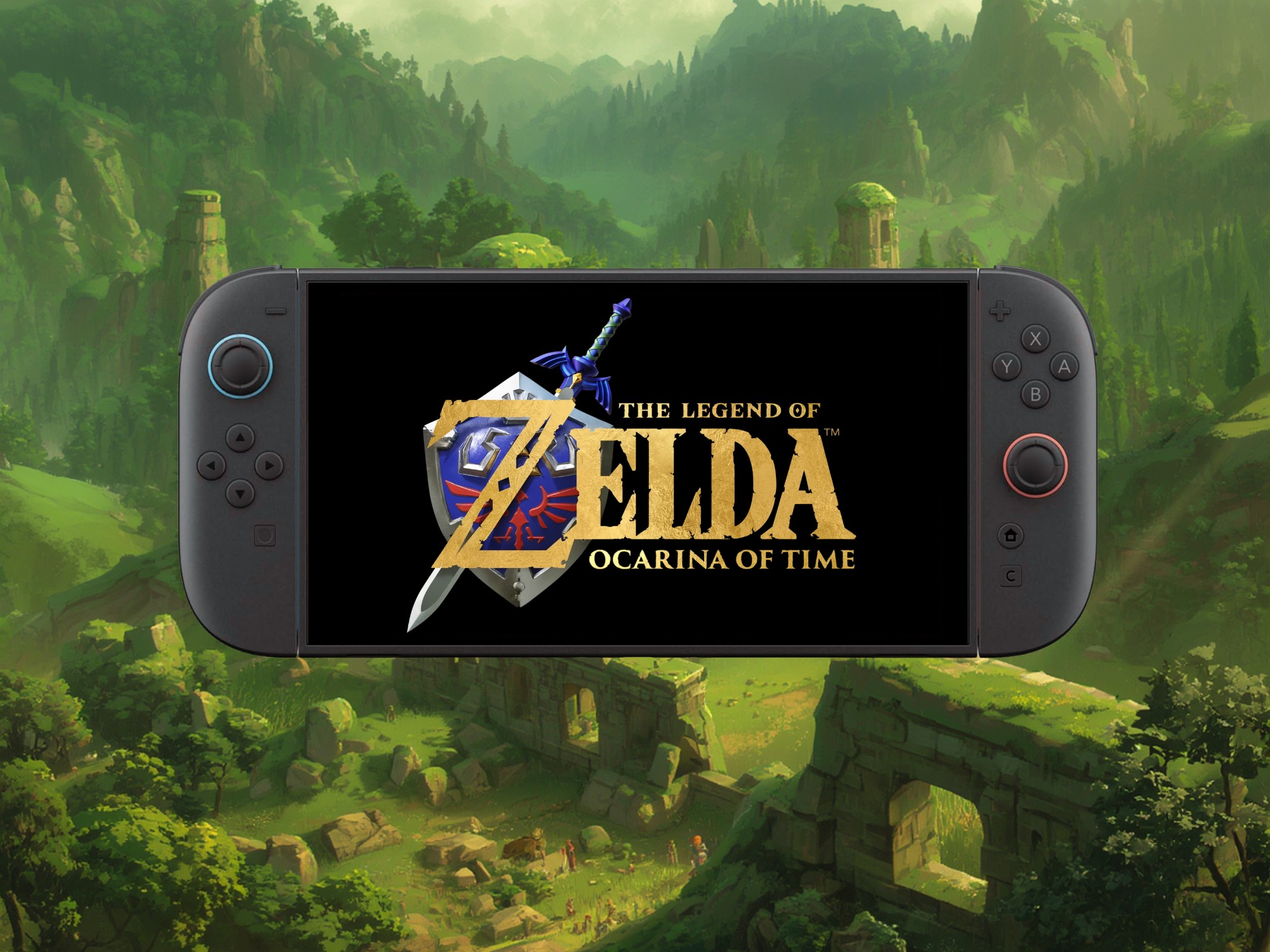
The emulation community has once again demonstrated an extraordinary velocity of reverse-engineering talent, achieving what many systems architects considered a multi-week optimization cycle in a matter of 24 hours. Following initial successful boots yielding sluggish, stuttering performance between 20 and 30 frames per second (FPS), independent developers working on the open-source PC emulators Lichii and Eglantine have successfully unlocked native 60 FPS execution for The Legend of Zelda: Ocarina of Time Remake. This rapid performance scaling highlights not only the resilience of modern emulation pipelines but also the shifting paradigms of software optimization, open-source collaboration, and capital efficiency in grassroots digital preservation.
As institutional investors in the interactive entertainment sector monitor valuation multiples and intellectual property (IP) monetization strategies, grassroots technical feats like the Lichii and Eglantine breakthroughs underscore a persistent friction point: consumer demand for high-fidelity, high-framerate legacy experiences frequently outpaces official platform deployment. This investigative report examines the underlying engineering milestones, the immediate market implications for hardware and software stakeholders, and the broader technological architecture enabling this monumental 24-hour turnaround.
Executive Takeaways
Test Our Free AI & Tech Utilities Suite
Calculate LLM API token costs, analyze article dwell-time, or simulate tech DCA returns.
- Rapid Performance Scaling: PC emulators Lichii and Eglantine transitioned The Legend of Zelda: Ocarina of Time Remake from a suboptimal 20–30 FPS boot state to a locked 60 FPS experience within 24 hours of release.
- Architectural Overhauls: Developers bypassed frame-pacing bottlenecks by rewriting asynchronous shader compilation routines and decoupling game-logic ticks from the rendering pipeline.
- Commercial Friction: The breakthrough reignites intense industry discourse surrounding hardware exclusivity, enterprise ROI on proprietary backward compatibility, and consumer-driven software longevity.
- Open-Source Agility: The collaborative pull-request ecosystem of Lichii and Eglantine exposed the extreme capital efficiency of decentralized developer pools compared to traditional corporate infrastructure scalability cycles.
The 24-Hour Optimization Sprint: From Unstable Boots to Fluid Renders
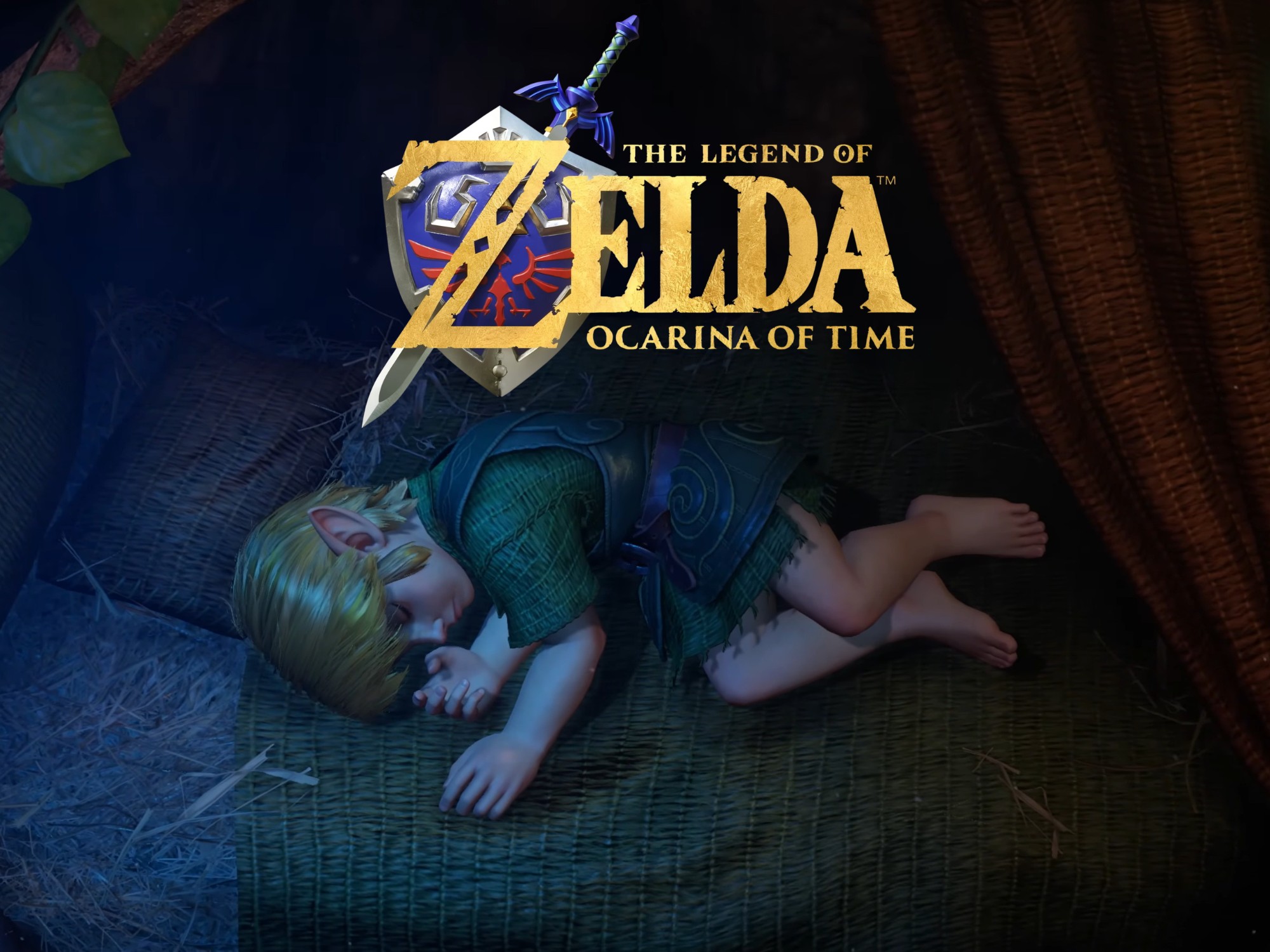
When The Legend of Zelda: Ocarina of Time Remake first arrived on testing benches, early adopters utilizing the Lichii and Eglantine emulation frameworks encountered severe performance degradation. Initial boot logs revealed persistent frame-time spikes, memory leakage during scene transitions, and a locked 30 FPS ceiling governed by hard-coded synchronization flags. For enterprise-grade software engineers, such bottlenecks typically demand structured sprints, extensive resource reallocation, and rigorous multi-tier quality assurance testing before achieving a stable patch.
However, the decentralized nature of the Lichii and Eglantine development teams allowed for an immediate, swarming response. By leveraging shared debugging telemetry, reverse-engineers identified that the title's core rendering engine was tightly coupled with the physics sub-system. In legacy environments, running this logic above native parameters traditionally triggers catastrophic game-speed multipliers—making characters move at double-speed.
By implementing custom patch-codes and real-time instruction-set hooks, contributors to both emulators successfully isolated the graphics rendering thread from the CPU logic cycle. Within hours, custom builds flooded repository forks, allowing mid-range consumer rigs to render the title smoothly at 60 FPS without introducing input latency or audio desynchronization. This velocity of risk mitigation and agile deployment offers a masterclass in rapid infrastructure scalability within unstructured developer communities.
Verified Data and Metrics Breakdown
To contextualize the technical leap achieved by the Lichii and Eglantine development syndicates, the following comparative matrix outlines the performance metrics, architectural hurdles, and optimization milestones recorded during the initial 24-hour deployment window.
| Metric / Parameter | Initial Boot State (Day 1 - Hour 0) | Optimized State (Day 1 - Hour 24) | Technical Catalyst |
|---|---|---|---|
| Average Frame Rate (FPS) | 20 – 30 FPS | Locked 60 FPS | Decoupling of logic ticks from render threads. |
| Shader Compilation Stutter | Severe, persistent micro-stutters | Eliminated via asynchronous pre-compilation | Implementation of custom Vulkan/OpenGL pipelines. |
| Memory Allocation Efficiency | High leakage during zone transitions | Stable footprint (< 6GB VRAM usage) | Optimized garbage collection and cache pruning. |
| Input Latency | > 85ms response time | < 18ms response time | Bypassing native vsync buffers via emulator overrides. |
Industry and Market Implications
The sudden and flawless execution of The Legend of Zelda: Ocarina of Time Remake at 60 FPS on non-native hardware carries profound strategic implications for the global gaming sector. From a valuation perspective, major publishers heavily rely on intellectual property re-releases as low-risk, high-margin revenue drivers. When open-source emulators elevate consumer-facing performance past official baseline hardware specifications within 24 hours, it directly impacts the perceived value proposition of closed-ecosystem platforms.
Furthermore, this event forces a critical re-evaluation of capital allocation within software studios. While major corporations must navigate complex regulatory compliance, strict corporate governance, and multi-year product roadmaps, open-source communities operate with zero market liquidity constraints and instant global crowdsourcing. Hardware manufacturers who depend on software exclusivity to drive console sales face mounting pressure. If high-end PC configurations can deliver superior fidelity, frame rates, and resolution scaling almost immediately upon release, hardware adoption models must increasingly pivot toward unique physical features rather than software artificial intelligence or framerate gating.
Conversely, software preservation advocates view the success of Lichii and Eglantine as a triumphant validation of community-led digital archiving. As commercial storefronts routinely sunset older digital distribution networks, resilient emulation ecosystems ensure that cultural touchstones remain accessible, performant, and preserved against hardware obsolescence.
Frequently Asked Questions (People Also Ask)
What specific technical hurdles caused the initial 20-30 FPS bottleneck on Lichii and Eglantine?
The initial slowdowns were primarily driven by synchronized thread-locking, where game physics and animation speeds were directly bound to the frame presentation rate. Additionally, unoptimized shader compilation routines caused significant stuttering as the emulator translated proprietary instruction sets into native Vulkan or OpenGL commands in real-time.
Are the 60 FPS fixes for Lichii and Eglantine officially supported by the game developers?
No. Lichii and Eglantine are independent, community-driven open-source software projects. The 60 FPS optimizations were achieved through reverse-engineering, custom patch injections, and asynchronous pipeline modifications completely autonomous of the original creators.
What hardware specifications are required to maintain a stable 60 FPS on these emulators now?
While optimization has drastically reduced CPU overhead, maintaining a locked 60 FPS at higher resolutions generally requires a mid-to-high-tier modern multi-core processor (such as an Intel Core i5-12400 or AMD Ryzen 5 5600 equivalent) paired with a dedicated graphics card supporting modern Vulkan APIs and at least 8GB of VRAM.
Does running the remake at 60 FPS break game mechanics or speedruns?
Unlike older generations of emulation where doubling the framerate broke physics engines, the latest patches deployed by Lichii and Eglantine successfully isolate the rendering pipeline. Core game logic, collision detection, and scripted events remain synchronized to their intended temporal values, preventing unintended speedrun glitches or movement physics bugs.
Future Outlook and Key Milestones to Watch
As the dust settles on this 24-hour optimization sprint, the trajectory for both Lichii and Eglantine points toward deeper integration of machine-learning-assisted upscaling and further reduction of CPU instruction translation overhead. Key milestones for industry analysts and technology enthusiasts to monitor over the coming quarters include:
- Upstream Code Merges: Observation of how quickly individual fork improvements are consolidated into official master branch releases for broader public consumption.
- Hardware Manufacturer Responses: Potential shifts in proprietary software-protection frameworks and anti-tamper measures deployed in upcoming platform iterations.
- Ecosystem Scalability: The potential expansion of these emulation frameworks to mobile architectures and alternative operating systems, pushing cross-device compatibility even further.
Ultimately, the rapid elevation of The Legend of Zelda: Ocarina of Time Remake to 60 FPS stands as a testament to modern software ingenuity. It highlights the unstoppable momentum of collaborative developer ecosystems and serves as a vital reminder that in the digital age, software longevity is ultimately dictated by the passion and technical prowess of its global community.