Executive Takeaways
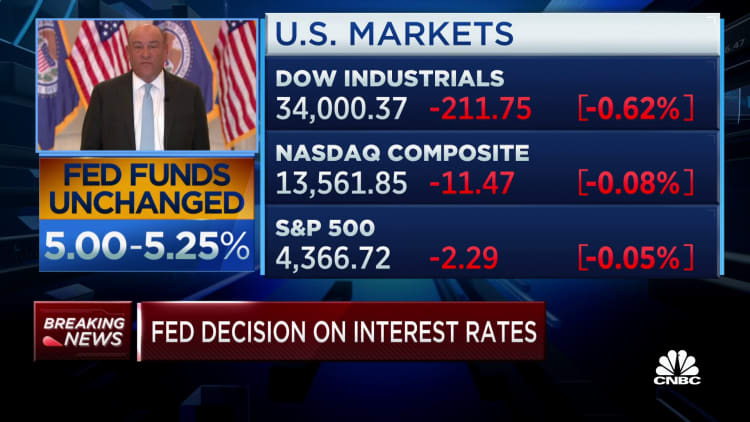
- Macro Pressures Weigh on Industrials: The Dow Jones Industrial Average retreated amid renewed interest rate anxiety and tightening market liquidity, forcing institutional capital reallocation.
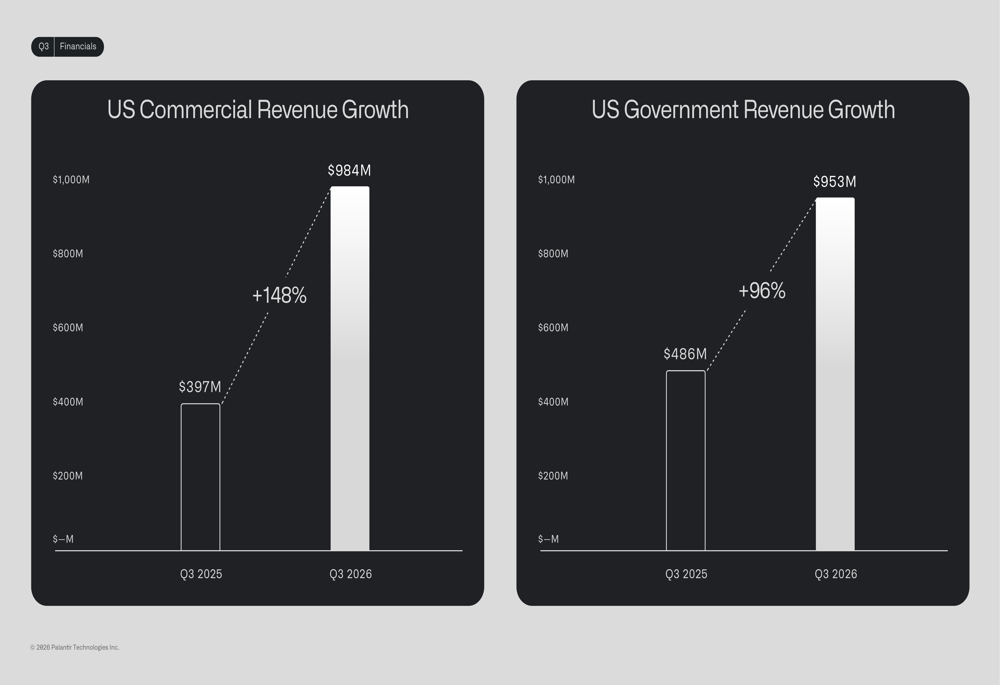
- Palantir’s Resilience: Palantir Technologies (PLTR) engineered a robust technical rebound, underscored by sustained enterprise ROI for its Artificial Intelligence Platform (AIP) and aggressive government contract renewals.
- Moats in P&C Insurance: Select Property & Casualty (P&C) insurance equities cleared critical technical entry points, driven by disciplined underwriting, optimized capital allocation, and strong risk-adjusted pricing power.
- Advisory Note for Portfolio Managers: Risk mitigation and a granular focus on cloud compute architecture, infrastructure scalability, and regulatory compliance remain paramount heading into the next quarterly reporting cycle.
Global financial markets are navigating a complex intersection of monetary policy uncertainty, shifting valuation multiples, and sector-specific rotation. In today’s live coverage, trading desks across Wall Street and the City of London are dissecting a bifurcatedtape. While cyclical anchors within the Dow Jones Industrial Average face downward pressure from shifting yield curves, high-growth technology flagbearers like Palantir are demonstrating intense buying support. Simultaneously, a defensive rotation into select insurance equities is offering portfolio managers a structural hedge against macroeconomic volatility.
This comprehensive investigative report examines the underlying catalysts driving today’s market action, providing institutional-grade analysis on capital flows, technological adoption curves, and regulatory tailwinds. By evaluating the interplay between enterprise software demand and balance sheet resilience, we decode the signals currently dominating global liquidity pools.
The Dow's Defensive Retreat: Navigating Liquidity and Rate Anxieties
Test Our Free AI & Tech Utilities Suite
Calculate LLM API token costs, analyze article dwell-time, or simulate tech DCA returns.
The blue-chip index experienced a measured pullback during today's session, reflecting broader apprehension regarding the Federal Reserve's path on interest rates. Macroeconomic indicators released earlier in the week point to sticky service-sector inflation and a resilient labor market, forcing fixed-income desks to reprice terminal rate expectations. Consequently, capital allocation strategies have pivoted away from capital-intensive industrial components toward cash-generative, asset-light business models.
For multinational corporations composing the Dow, higher debt-servicing costs and tighter credit conditions are translating into compressed operating margins. Analysts note that capital expenditures are increasingly subject to rigorous scrutiny, with chief financial officers prioritizing debt reduction over aggressive M&A activity. This environment of constrained market liquidity has amplified intraday volatility, rewarding firms with superior cash conversion cycles while punishing those reliant on short-term wholesale funding.
Despite these macro headwinds, long-term institutional investors view the pullback as a calculated recalibration rather than a structural bear market signal. Value-oriented funds are methodically accumulating shares in multinational bellwethers whose global footprints and pricing power insulate them from domestic currency fluctuations and regulatory friction.
Palantir Fights Back: The Enterprise AI Adoption Curve

In the technology sector, Palantir Technologies staged a compelling technical recovery, successfully defending key moving averages and drawing aggressive institutional sponsorship. The catalyst behind the rebound lies in the relentless commercial adoption of its Artificial Intelligence Platform (AIP), which continues to redefine enterprise software benchmarks.
Unlike consumer-facing artificial intelligence applications, Palantir’s infrastructure scalability and rigorous focus on data governance and regulatory compliance resonate deeply with Fortune 500 executives and defense ministries alike. Enterprise clients are increasingly measuring technology investments through the strict lens of immediate enterprise ROI. Palantir’s boot-camp deployment model—which demonstrates operational efficiencies within days rather than quarters—has proven to be a masterclass in sales execution.
Furthermore, recent international defense pacts and domestic intelligence contract renewals underscore the sticky nature of Palantir’s recurring revenue streams. As geopolitical tensions demand advanced real-time data integration, the company's proprietary cloud compute architecture and secure ontology management systems solidify its moat against competing enterprise software providers.
Insurance Sector Breakout: Underwriting Discipline Meets Capital Allocation
Away from the high-beta technology trade, select Property & Casualty (P&C) and specialty insurance equities have quietly breached multi-week resistance levels, clearing pristine technical entry points. This outperformance is not accidental; it is the direct result of disciplined underwriting cycles, strategic rate hikes, and optimized investment portfolio yields.
Insurance executives have masterfully navigated inflationary pressures by repricing risk across commercial and personal lines. By leveraging advanced predictive analytics and actuarial modeling, top-tier insurers have successfully mitigated catastrophe exposure while expanding their underwriting margins. Additionally, higher yields on fixed-income investment portfolios—which traditionally back insurance float—are generating substantial net investment income, propelling return on equity (ROE) metrics to multi-year highs.
For institutional allocators seeking shelter from equity market volatility, these insurance names offer an attractive combination of robust dividend yields, share buyback programs, and defensive earnings stability. The ability to maintain pricing power in a softening economic environment distinguishes elite insurance operators from their peers.
Market Metrics & Valuation Comparison
| Asset / Sector | Primary Driver | Valuation Multiple (FWD P/E) | Institutional Sentiment | Technical Status |
|---|---|---|---|---|
| Dow Jones Industrial Average | Macro rate sensitivity & margin compression | ~18.5x | Neutral / Defensive | Consolidating near support |
| Palantir Technologies (PLTR) | AIP enterprise ROI & government contracts | High Growth (>60x) | Bullish Accumulation | Rebounding off moving average |
| Select P&C Insurers | Underwriting pricing power & float yield | 12.0x - 15.0x | Strong Outflows to Inflows | Clearing technical breakout zones |
Industry & Market Implications: Winners, Losers, and Macro Fallout
The current market paradigm establishes clear lines between corporate beneficiaries and those struggling to adapt to higher capital costs. Understanding these dynamics is crucial for navigating multi-asset portfolios effectively:
- Winners: Software enterprises with high net retention rates, mission-critical deployment frameworks, and zero structural debt thrive as customers consolidate vendor lists. Likewise, disciplined P&C insurers benefit directly from structural rate hardening and higher reinvestment yields on their investment portfolios.
- Losers: Highly leveraged industrial firms, unprofitable growth companies, and consumer discretionary names burdened by elevated inventory levels face severe margin degradation as borrowing costs remain elevated for longer.
- Broader Economic Impact: Capital is becoming scarcer and more expensive, forcing a healthy purge of speculative excess. While painful for over-leveraged entities, this discipline paves the way for sustainable, productivity-driven economic expansion anchored by genuine technological innovation rather than cheap leverage.
Frequently Asked Questions (People Also Ask)
Why is the Dow Jones Industrial Average dipping despite strong corporate earnings?
The primary driver behind the Dow's pullback is macroeconomic rate sensitivity. Even as individual corporate earnings meet or exceed expectations, bond yields and shifting monetary policy expectations dictate lower valuation multiples. Institutional investors are actively repricing future cash flows against a backdrop of higher risk-free rates, prompting capital rotation out of cyclical equities.
What makes Palantir’s Artificial Intelligence Platform (AIP) different from standard enterprise software?
Palantir AIP stands apart due to its focus on operational ontology, secure data integration, and strict regulatory compliance. Rather than offering generic generative AI chat tools, AIP integrates directly into an enterprise's foundational data architecture, delivering verifiable enterprise ROI and secure deployment capabilities across both commercial and government sectors.
Why are insurance stocks considered attractive investments during periods of market volatility?
Property & Casualty insurance stocks offer a powerful defensive profile characterized by robust pricing power, low correlation to equity market swings, and substantial investment income generated from their float. As interest rates remain elevated, the yields earned on their fixed-income asset portfolios enhance profitability, supporting consistent dividend payouts and share buybacks.
How should retail and institutional investors approach current technical entry points?
Investors should focus on risk mitigation, selective accumulation, and strict adherence to asset allocation frameworks. Prioritizing companies with pristine balance sheets, high free cash flow conversion, and proven pricing power provides a resilient portfolio posture amid ongoing macroeconomic uncertainty.
Future Outlook & Key Milestones to Watch
As trading desks look toward the remainder of the fiscal quarter, market participants must monitor several critical catalysts. First, incoming Consumer Price Index (CPI) and Producer Price Index (PPI) prints will dictate the Federal Reserve's next policy maneuvers, directly influencing equity valuation multiples. Second, corporate guidance revisions during upcoming earnings preview windows will separate industry leaders from lagging competitors.
For technology leaders like Palantir, sustaining accelerated commercial customer acquisition will be the definitive metric for justifying premium valuation multiples. For the insurance sector, maintaining combined ratios below 95% while managing catastrophe loss exposure will determine whether current technical breakouts mature into sustained multi-quarter bull runs. Discipline, rigorous quantitative analysis, and vigilant risk management remain the ultimate prerequisites for navigating today's complex financial landscape.