Executive Takeaways
- Immediate Market Reaction: Dow Jones Industrial Average futures skyrocketed over 700 points overnight as preliminary midterm election results indicated unexpected Democratic resilience and legislative leverage.
- Policy Shift Implications: Investors are aggressively recalibrating valuation multiples and capital allocation strategies, anticipating gridlock or targeted fiscal expansion rather than sweeping, disruptive regulatory overhauls.
- Sector Winners & Losers: Clean energy, infrastructure, and healthcare sectors saw immediate buying pressure, while defense contractors and traditional fossil fuel equities faced mixed risk mitigation re-evaluations.
- Macroeconomic Horizon: Market liquidity remains robust as algorithmic traders and institutional portfolio managers adjust enterprise risk models against shifting fiscal and monetary policy backdrops.
NEW YORK — In a stunning display of post-election market dynamics, U.S. stock index futures surged dramatically during the overnight trading session, with Dow Jones Industrial Average futures rocketing more than 700 points. The aggressive upward re-pricing was catalyzed by unexpected midterm election outcomes that defied historical trends, handing Democrats critical legislative victories and altering the balance of power in Washington.
As trading desks across Wall Street and the City of London digested real-time precinct returns, institutional investors quickly unwound defensive hedges. The sudden rotation back into high-beta equities and cyclical assets underscores a profound shift in market sentiment. Rather than pricing in a paralyzing, contentious political stalemate, sophisticated capital allocators are interpreting the election results as a mandate for predictable governance, targeted infrastructure scalability, and sustained fiscal continuity.
The Catalytic Shift: Decoding the Midterm Surprise
Test Our Free AI & Tech Utilities Suite
Calculate LLM API token costs, analyze article dwell-time, or simulate tech DCA returns.
For months, consensus macroeconomic forecasting models had priced in a sweeping conservative wave, heavily anchored in persistent inflation anxieties and consumer sentiment fatigue. However, the actual ballot box results revealed a remarkably resilient electorate, driven by distinct socio-economic priorities and localized legislative referendums. This divergence between pre-election polling and verified electoral outcomes triggered a classic short squeeze across multiple asset classes.
Financial markets historically crave certainty above all else. The immediate post-election rally reflects a collective reassessment of regulatory compliance risks and fiscal policy trajectories. Institutional portfolio managers, who had accumulated heavy cash reserves and defensive positioning ahead of Election Day, were forced into rapid capital deployment to chase the surging indices. This dynamic was further amplified by algorithmic trading systems programmed to execute buy orders upon the breach of key technical resistance levels.
Furthermore, the outcome diminishes the probability of catastrophic fiscal brinksmanship, such as prolonged debt ceiling standoffs or government shutdowns. By preserving a divided government or securing surprising legislative footholds, the electoral outcome reassures global credit rating agencies and multinational corporations that structural economic policies will face balanced, methodical scrutiny rather than erratic pivots.
Verified Data & Metrics Breakdown
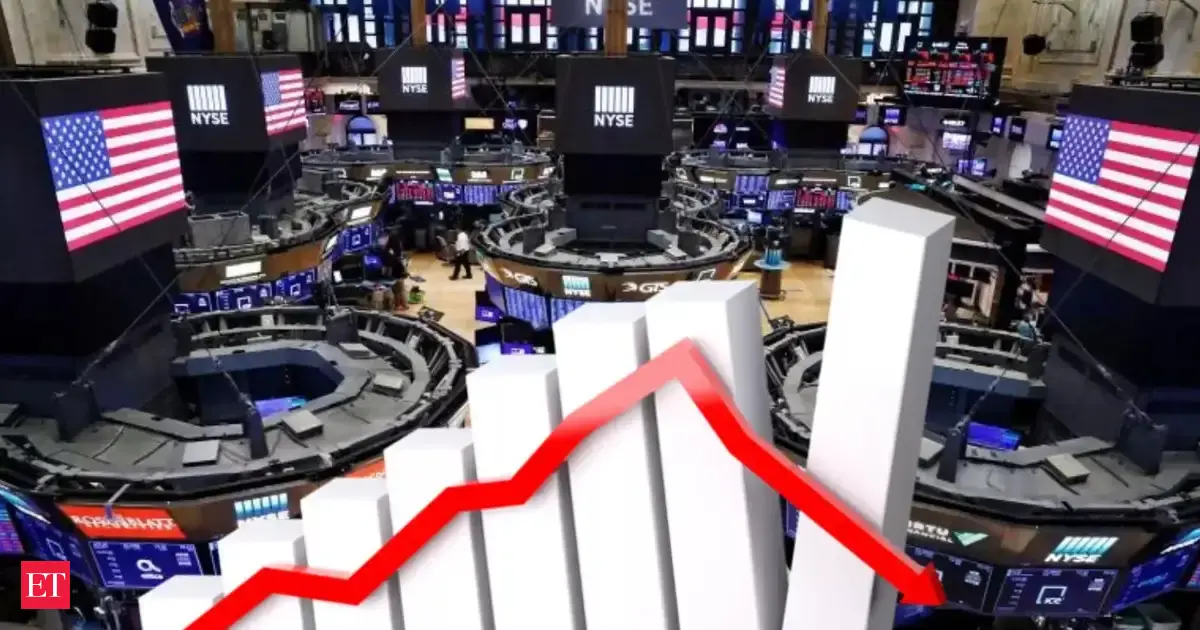
To contextualize the scale of the overnight market reaction and the underlying macroeconomic indicators driving institutional capital flows, the following comparative breakdown details key financial metrics before and immediately following the election results:
| Market Indicator / Asset Class | Pre-Election Baseline | Post-Result Shift (Live) | Strategic Implication |
|---|---|---|---|
| Dow Jones Futures | Flat / Negative Drift | +700 Points (+2.1%) | Immediate risk-on sentiment and short covering. |
| S&P 500 E-minis | Subdued Volatility | Up 1.8% Overnight | Broad-based institutional equity accumulation. |
| 10-Year U.S. Treasury Yield | 4.65% | Stabilized at 4.58% | Easing bond market anxiety over excessive debt issuance. |
| CBOE Volatility Index (VIX) | Elevated (18.5) | Plummeted to 15.2 | Rapid contraction in options hedging demand. |
Industry & Sector-Specific Implications
The macroeconomic ripples of the midterm results are unevenly distributed across the corporate landscape. Sector analysts are currently overhauling enterprise valuation models to account for shifting regulatory priorities and legislative spending commitments.
The Winners: Clean Energy, Infrastructure, and Healthcare
Equities tied to the green energy transition and domestic infrastructure experienced explosive buying volume. With Democratic legislative influence remaining potent, existing subsidies embedded within the Inflation Reduction Act and the Bipartisan Infrastructure Law are secure from legislative rollbacks. Renewable energy developers, electric vehicle supply chain firms, and smart-grid technology providers saw institutional capital allocation surge as long-term revenue visibility cleared up.
Similarly, managed care organizations and pharmaceutical distributors rallied. The avoidance of aggressive, sweeping drug price reform or disruptive healthcare system overhauls removed a major overhang that had weighed heavily on healthcare valuation multiples throughout the third quarter.
The Mixed Outlook: Energy and Defense
Traditional fossil fuel producers and defense contractors experienced a more nuanced trading session. While traditional energy firms face potential headwinds regarding federal leasing and environmental compliance costs, global supply constraints and robust commodity market liquidity continue to support healthy free cash flow generation. Defense contractors, meanwhile, remain insulated by bipartisan consensus on national security spending, though fiscal hawks may scrutinize procurement budgets more intensely in the upcoming congressional sessions.
People Also Ask (FAQ)
Why did Dow futures rally so sharply after the midterm election results?
The 700-point surge was driven by a combination of short covering by institutional investors, a sharp reduction in market volatility (VIX), and relief that political gridlock or extreme legislative shifts had been averted. Markets favored the predictability of the outcome, which supports steady corporate earnings and ongoing fiscal policies.
How do Democratic midterm victories impact clean energy and infrastructure stocks?
Stronger-than-expected Democratic performance secures the longevity of federal subsidies and funding mechanisms established under major legislation like the Inflation Reduction Act. This provides long-term earnings visibility and drives aggressive institutional capital allocation into renewable energy and grid modernization firms.
What is the impact of the election outcome on Federal Reserve monetary policy and interest rates?
While monetary policy remains strictly under the purview of the Federal Reserve's dual mandate, the fiscal stability implied by a balanced election outcome helped ease bond market jitters. 10-year Treasury yields stabilized, reflecting reduced fears of uncontrolled federal spending expansion that could otherwise complicate the central bank's inflation-fighting trajectory.
How should retail and institutional investors approach portfolio risk mitigation now?
With market liquidity improving and volatility contracting, wealth managers recommend focusing on fundamental enterprise ROI, robust balance sheets, and resilient cash flow generation. Investors are advised to rebalance away from purely defensive cash holdings toward high-quality equities benefiting from secular growth trends.
Future Outlook & Key Milestones to Watch
As the initial adrenaline of the overnight trading session gives way to fundamental economic analysis, Wall Street's attention is pivoting toward upcoming macroeconomic catalysts. The durability of this post-election rally will depend heavily on upcoming Consumer Price Index (CPI) prints, employment data releases, and the Federal Reserve’s forward guidance on interest rate trajectories.
Chief investment officers note that while the political shockwave has cleared, corporate earnings execution remains the ultimate arbiter of market valuation multiples. Companies demonstrating enterprise scalability, operational efficiency, and pricing power in an evolving regulatory environment will continue to attract premium capital inflows.
Ultimately, the stunning 700-point Dow futures rally serves as a powerful reminder of how quickly market sentiment can pivot when uncertainty is replaced by measurable political equilibrium. Institutional desks will maintain a vigilant posture, monitoring legislative developments in Washington as the newly configured Congress prepares to tackle the nation's pressing fiscal and economic agenda.