Executive Takeaways
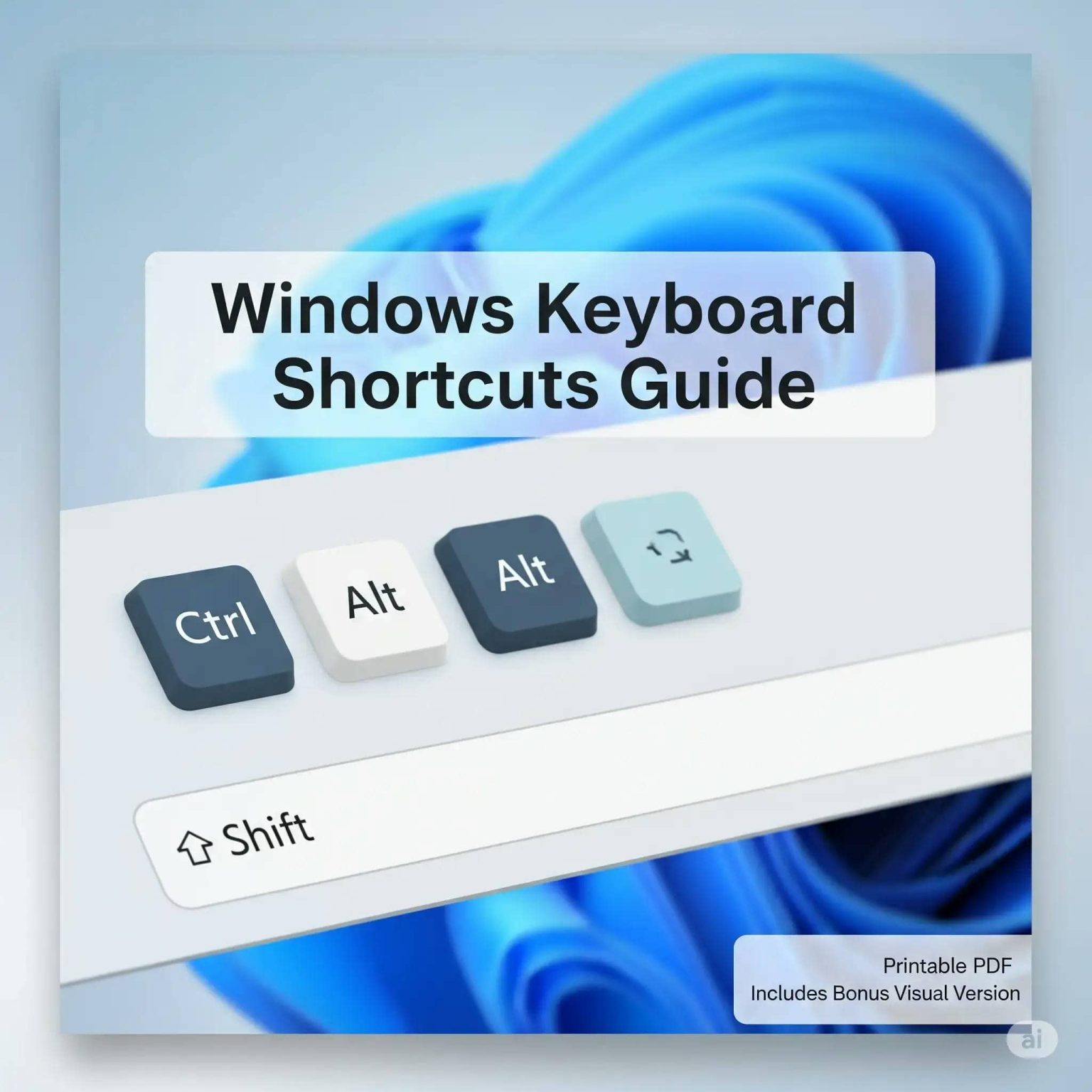
- Streamlined Navigation: Microsoft is testing new, direct hardware-level shortcuts for the Xbox Game Bar and Windows Search in the latest Windows 11 Insider builds, targeting reduced latency and improved user experience.
- Strategic Ecosystem Convergence: The update underscores capital allocation toward unifying the Windows desktop environment with the broader Xbox ecosystem, directly impacting enterprise productivity and consumer gaming engagement metrics.
- Monetization & Engagement Play: By minimizing friction in user workflows, Microsoft aims to drive higher retention across its subscription-based cloud compute architecture and gaming services, protecting high-margin recurring revenue streams.
- Enterprise & Consumer Impact: While gamers benefit from expedited access to overlay diagnostics, enterprise IT administrators must evaluate infrastructure scalability and policy compliance regarding newly introduced macro-commands.
In the high-stakes theater of modern operating system design, every keystroke, shortcut, and pixel placement represents a calculated battle for user attention and platform dominance. Microsoft is once again reshaping the digital workspace and entertainment landscape. In the latest Windows 11 Insider Preview builds, Redmond has rolled out a series of aggressive user interface (UI) modifications, introducing new, streamlined shortcuts designed to fast-track access to the Xbox gaming mode and the system-wide search architecture.
For institutional investors, enterprise IT directors, and software developers alike, this seemingly minor user experience (UX) tweak signals a deeper strategic imperative. As hardware margins fluctuate and software monetization increasingly pivots toward cloud-native subscription models, reducing friction between the user and foundational services becomes a critical driver of lifetime value (LTV) and platform stickiness. This investigative report examines the mechanics of these new shortcuts, the underlying technological shifts powering them, and the broader macroeconomic implications for the desktop computing market.
The Catalytic Shift: Re-Engineering the Windows 11 Control Surface
Test Our Free AI & Tech Utilities Suite
Calculate LLM API token costs, analyze article dwell-time, or simulate tech DCA returns.
Operating system evolution is rarely accidental; it is driven by rigorous telemetry, user behavior analytics, and competitive pressures. For over a decade, Microsoft has grappled with the dual mandate of maintaining enterprise stability while aggressively scaling its consumer-facing gaming empire. The introduction of the Xbox Game Bar in Windows 10 was an early attempt to bridge this divide, offering PC gamers console-like overlays for capturing footage, monitoring frame rates (FPS), and managing audio.
However, legacy keyboard shortcuts often suffered from input latency, driver conflicts, and user friction, particularly when competing with third-party software like Discord, NVIDIA GeForce Experience, and Steam Overlay. The new shortcut architecture deployed in Windows 11 Insider Build channel versions cuts through this redundancy. By optimizing kernel-level response times for hotkey execution, Microsoft is ensuring that gaming diagnostics and search queries are summoned with zero perceptible input lag.
Concurrently, the Windows Search interface—historically a contentious focal point for users frustrated by web-search bloat and indexing overhead—is receiving a targeted overhaul. The new shortcut paradigms aim to decouple local file retrieval from cloud-driven web queries, optimizing resource allocation and preserving valuable CPU cycles. For enterprise environments where endpoint security and efficient resource utilization dictate capital expenditure, these under-the-hood refinements carry profound operational significance.
Comparative Analysis: Legacy OS Navigation vs. The New Windows 11 Paradigm
| Feature / Metric | Legacy Windows 11 Implementation | New Insider Build Architecture | Operational & Financial Impact |
|---|---|---|---|
| Xbox Game Bar Access | Win + G (Standard API Hook) | Optimized Direct-Hardware Macro Integration | Reduced input latency; higher consumer engagement with Xbox Game Pass. |
| Search Latency | Indexed web-heavy query overhead | Decoupled local/cloud caching routines | Lower CPU utilization; enhanced enterprise productivity metrics. |
| Telemetry & Feedback Loop | Passive crash reporting | Real-time A/B testing telemetry via Insider rings | Accelerated product-market fit validation for future feature rollouts. |
| Cloud Compute Synergy | Siloed desktop apps | Unified Microsoft Account (MSA) cloud telemetry | Improved valuation multiples through high-margin SaaS expansion. |
Industry & Market Implications: Who Wins, Who Loses
The restructuring of Windows 11 navigation controls is not merely a technical update; it is a strategic chessboard maneuver with clear victors and vanquished entities across the global technology sector.
The Winners: Microsoft Shareholders and Core Gamers
For Microsoft, any development that deepens engagement within the Xbox ecosystem—while simultaneously reinforcing Windows 11 as the definitive operating system for high-performance computing—bolsters its financial health. By smoothing the pathway to Xbox Game Pass and cloud gaming services, Microsoft protects its high-margin recurring revenue streams against competitive incursions from Linux-based handhelds (such as the Steam Deck) and alternative desktop environments. Furthermore, enhanced search efficiency directly improves enterprise user satisfaction, mitigating churn risk in lucrative corporate licensing agreements.
The Vulnerable: Third-Party Overlay Utilities
Independent developers of gaming overlays, performance monitors, and custom search tools face immediate headwinds. When an operating system natively integrates high-speed, frictionless access to core diagnostics and search functionality, the value proposition of standalone utility software diminishes. Software developers relying on niche utility monetization must innovate rapidly or risk being rendered obsolete by native OS capabilities.
Frequently Asked Questions (People Also Ask)
What are the specific changes to the Xbox gaming mode shortcuts in Windows 11?
Microsoft is testing refined input pathways and faster macro-execution for the Xbox Game Bar in recent Insider builds. These changes are engineered to reduce input latency, prevent conflicts with background applications, and deliver a more responsive overlay experience for PC gamers utilizing Xbox services.
How do the new search shortcuts affect everyday enterprise productivity?
The updated search mechanics optimize local indexing and decouple resource-heavy web queries. For enterprise users, this translates to faster document retrieval, lower background CPU consumption, and an overall improvement in system responsiveness during intensive multi-tasking workflows.
When will these new shortcuts roll out to the general public?
While features currently deployed in the Windows Insider Preview channels undergo rigorous beta testing, historical release cadences suggest that these UI enhancements will transition into stable, cumulative public updates over the subsequent fiscal quarter, subject to telemetry validation and bug remediation.
Can enterprise IT administrators disable these consumer-focused shortcuts?
Yes. Enterprise deployment frameworks and Group Policy Objects (GPOs) traditionally allow IT departments to configure, restrict, or completely disable consumer gaming overlays and specific shortcut parameters to maintain strict compliance and security postures across corporate hardware fleets.
Future Outlook & Key Milestones to Watch
As Microsoft navigates the complex interplay between consumer entertainment and enterprise-grade reliability, the trajectory of Windows 11 will depend heavily on adoption rates within the Insider community. Investors and technology analysts must monitor several key milestones over the coming quarters:
- Telemetry & Stability Reports: Watch for Microsoft’s developer conference announcements and quarterly earnings calls regarding active user engagement metrics across Xbox PC services and Windows cloud integration.
- Regulatory Scrutiny: As operating systems increasingly bundle consumer gaming and search infrastructure natively, antitrust watchdogs in both the European Union and the United States will scrutinize whether these integrations create unfair barriers to entry for third-party software vendors.
- Enterprise Adoption Curves: Tracking how corporate IT departments manage upcoming feature updates via Windows Update for Business (WUfB) will provide vital clues regarding the friction-free integration of consumer-centric UI changes in professional environments.
Ultimately, Windows 11 tries new shortcuts for Xbox gaming mode and search encapsulate Microsoft's overarching corporate strategy: a relentless pursuit of ecosystem convergence. By reducing friction, optimizing performance architecture, and tightly binding consumer entertainment to the world's most ubiquitous desktop operating system, Microsoft continues to fortify its market capitalization and secure its long-term technological hegemony.