Modi Cabinet in High-Stakes Huddle: PM Chairs Crucial Council of Ministers Meet This Thursday; Major Policy Directives, Governance Overhaul on the Cards
With an eye on mid-term performance targets, capex execution, and upcoming legislative priorities, Prime Minister Narendra Modi convenes a full ministerial assembly to review output metrics and lock down big-ticket policy shifts.
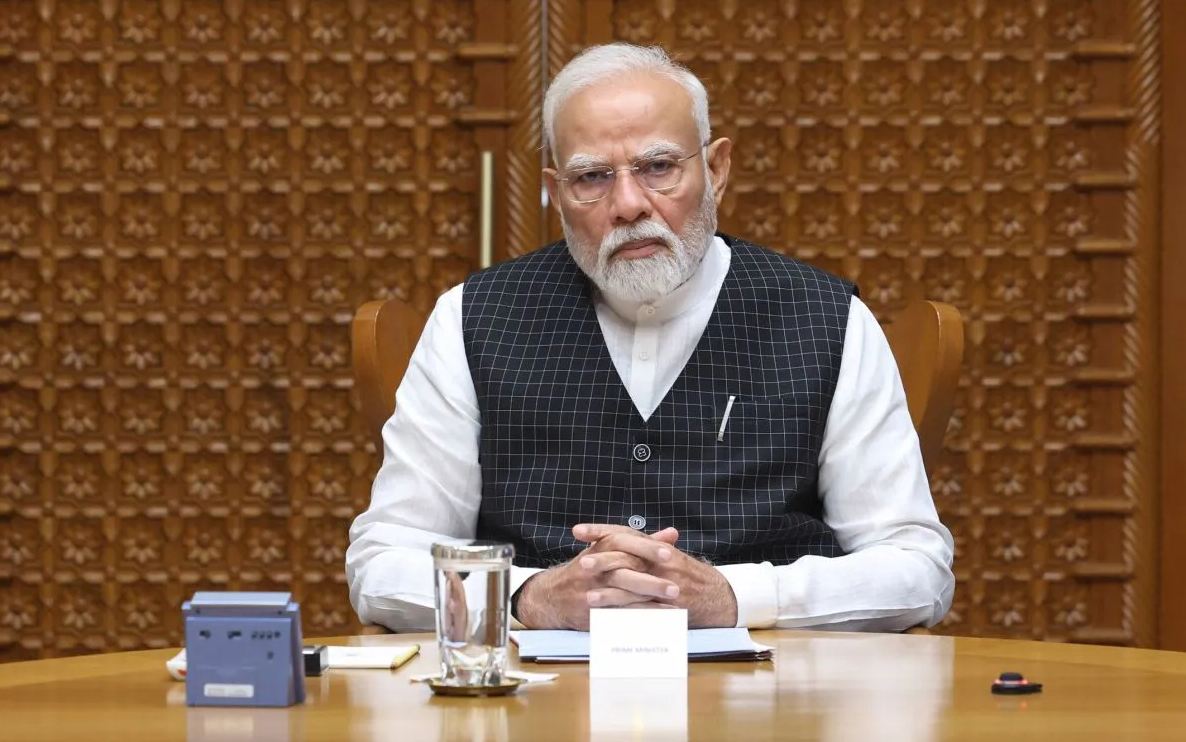
NEW DELHI — Prime Minister Narendra Modi has convened a high-powered meeting of the Union Council of Ministers this Thursday, setting the stage for decisive policy pivots, rigorous bureaucratic scorecards, and potential governance restructuring. The day-long conclave, slated to take place at the Sushma Swaraj Bhawan in the national capital, brings together Cabinet Ministers, Ministers of State with Independent Charge, and Ministers of State for a comprehensive appraisal of government delivery and ministerial productivity.
According to high-level official sources familiar with the agenda, the meeting will serve as a deep-dive operational audit. The primary focus centers on reviewing the functioning of pivotal ministries, tracking the implementation timelines of mega-infrastructure projects, evaluating social-sector outcomes, and laying the groundwork for strategic legislative moves ahead of Parliament’s upcoming Monsoon Session.
Inside the Agenda: Performance Audits and Flagship Delivery Reviews
Unlike routine weekly Cabinet meetings that focus strictly on approving specific cabinet notes and statutory ordinances, full Council of Ministers sessions are strategic, big-picture assemblies aimed at instilling systemic accountability. Thursday’s meeting is structured around detailed institutional presentations highlighting the gap between fiscal allocations and on-the-ground outcomes.
Several central ministries—including Road Transport & Highways, Railways, Finance, Commerce & Industry, Agriculture, and Electronics & Information Technology (MeitY)—are expected to present actionable status reports on key policy milestones. Senior officials indicated that the Prime Minister will scrutinize the "output-outcome monitoring framework" to ensure that flagship welfare initiatives and capital expenditure programs are delivering tangible economic dividends.
“The leadership is keen to transition from quantitative announcements to qualitative delivery,” said a senior policy strategist involved in the coordination. “The Council will evaluate how policy decisions taken over the past two years have materialized on the ground, identify bureaucratic bottlenecks, and enforce inter-ministerial synergy to fast-track pending clearances.”
Economic Push: Capex Momentum, Inflation, and Global Headwinds
The economic agenda will form the backbone of Thursday’s deliberations. With global supply chains navigating ongoing geopolitical volatility and currency pressures, the Council will review macroeconomic stability, inflation management, and industrial productivity.
Finance Ministry officials are expected to brief the Council on the pace of capital expenditure across infrastructure departments. With the Union Budget placing unprecedented emphasis on state-led capex to crowd-in private investment, the Prime Minister is anticipated to issue strict directives ensuring funds are front-loaded rather than bunched toward the final fiscal quarters.
- Capital Expenditure Discipline: Fast-tracking allocation for dedicated freight corridors, industrial smart cities, and multimodal connectivity under the PM GatiShakti national master plan.
- Domestic Supply-Chain Insulation: Monitoring critical food buffers, fertilizer subsidies, and domestic energy production to cushion the broader economy against import inflation.
- Manufacturing and PLI Schemes: Reviewing the progress of Production Linked Incentive (PLI) frameworks, particularly in semiconductors, green hydrogen, electronics, and pharmaceuticals.
- Ease of Living Metrics: Measuring the actual penetration of welfare schemes, including rural tap-water access, low-cost housing completions, and direct benefit transfers.
Priority Metrics on the Council’s Dashboard
The performance review will focus on measurable milestones. The table below outlines the core thematic pillars, lead ministries involved, and critical deliverables slated for review on Thursday:
| Strategic Pillar | Lead Ministries | Primary Deliverables / Performance Metrics |
|---|---|---|
| Infrastructure & Logistics | Railways, MoRTH, Ports & Shipping | Capex deployment speed, reduction in national logistics cost below 9% of GDP, GatiShakti platform utilization. |
| High-Tech & Industrial Growth | MeitY, Commerce & Industry | Semiconductor fabrication rollouts, PLI employment generation, export growth metrics in non-oil segments. |
| Agrarian Stability & Rural Economy | Agriculture, Consumer Affairs, Rural Development | Kharif sowing preparedness, rural wage trajectories, crop insurance disbursement efficiency, cold-chain capacity. |
| Energy Transition & Security | Power, New & Renewable Energy, Petroleum | Grid stability during summer peak demand, green hydrogen pilot funding, EV battery domestic manufacturing benchmarks. |
Legislative Strategy and Reshuffle Buzz
Beyond administrative report cards, Thursday’s conclave holds profound political and legislative significance. The Union government is gearing up for a packed legislative calendar, with several key regulatory, economic reform, and digital governance bills waiting in the pipeline. The Prime Minister is expected to emphasize cohesive communication, directing ministers to proactively counter policy misinformation and highlight departmental achievements to the wider public.
The timing of the full council gathering has also revived political speculation across the corridors of power in New Delhi. While full council meetings are periodic governance rituals, their outcomes often provide critical input into Cabinet reconstitutions and bureaucratic reshuffles. Underperforming departments could see realignment of duties, while standout performers among Ministers of State may be positioned for expanded portfolios.
Furthermore, the conclave is expected to tackle bureaucratic governance reform. Cabinet Secretary-led working groups have prepared blueprints to minimize inter-departmental silos, consolidate overlapping statutory bodies, and transition administrative machinery deeper into digital grievance redressal mechanisms.
Future Outlook: Setting the Pace for the Remainder of the Term
As the Modi administration navigates complex domestic expectations and shifting global economic tides, Thursday’s Council of Ministers meeting marks an inflection point. By holding ministers directly accountable for the policy execution pipeline, the government is looking to eliminate delivery deficits, institutionalize fiscal discipline, and maintain brisk administrative momentum.
Market observers and industry leaders will be closely watching the outcomes of Thursday evening’s briefing, with anticipations high for directional announcements on manufacturing incentives, regulatory streamlining, and immediate economic interventions.
Frequently Asked Questions (FAQ)
1. What is the constitutional difference between the Union Cabinet and the Council of Ministers?
The Council of Ministers is the comprehensive constitutional body that includes all tiers of ministerial authority: Cabinet Ministers, Ministers of State (Independent Charge), and Ministers of State. The Union Cabinet, by contrast, is a smaller core executive decision-making body comprising only senior Cabinet Ministers who hold critical portfolio charges. While the Cabinet meets weekly to approve bills and ordinances, the full Council meets periodically to review overarching governance and systemic execution.
2. Why is this specific Council of Ministers meeting drawing major economic and political attention?
This meeting functions as an executive audit on the government's capex utilization, industrial strategy (notably the semiconductor and PLI ecosystems), and inflation control mechanisms. It also sets the operational tone for the upcoming Monsoon Session of Parliament and offers critical indicators on potential Cabinet portfolio reallocations based on ministerial output metrics.