
Executive Takeaways
- Strategic Market Pivot: Motorola officially debuts the Signature 27 at a premium $1,599 price point, directly challenging Apple, Samsung, and Google in the tier-1 ultra-flagship category.
- Capital Allocation & Valuation: The move represents a calculated risk to improve hardware gross margins and elevate brand equity amid shifting consumer demand patterns.
- Enterprise & Consumer Convergence: Packed with enterprise-grade security architecture, advanced neural processing units (NPUs), and high-yield infrastructure scalability features designed for heavy corporate workflows.
- Valuation Multiples & Risk Mitigation: Success at this price threshold is vital for parent company Lenovo's mobile division to sustain positive operating income and improve long-term valuation multiples.
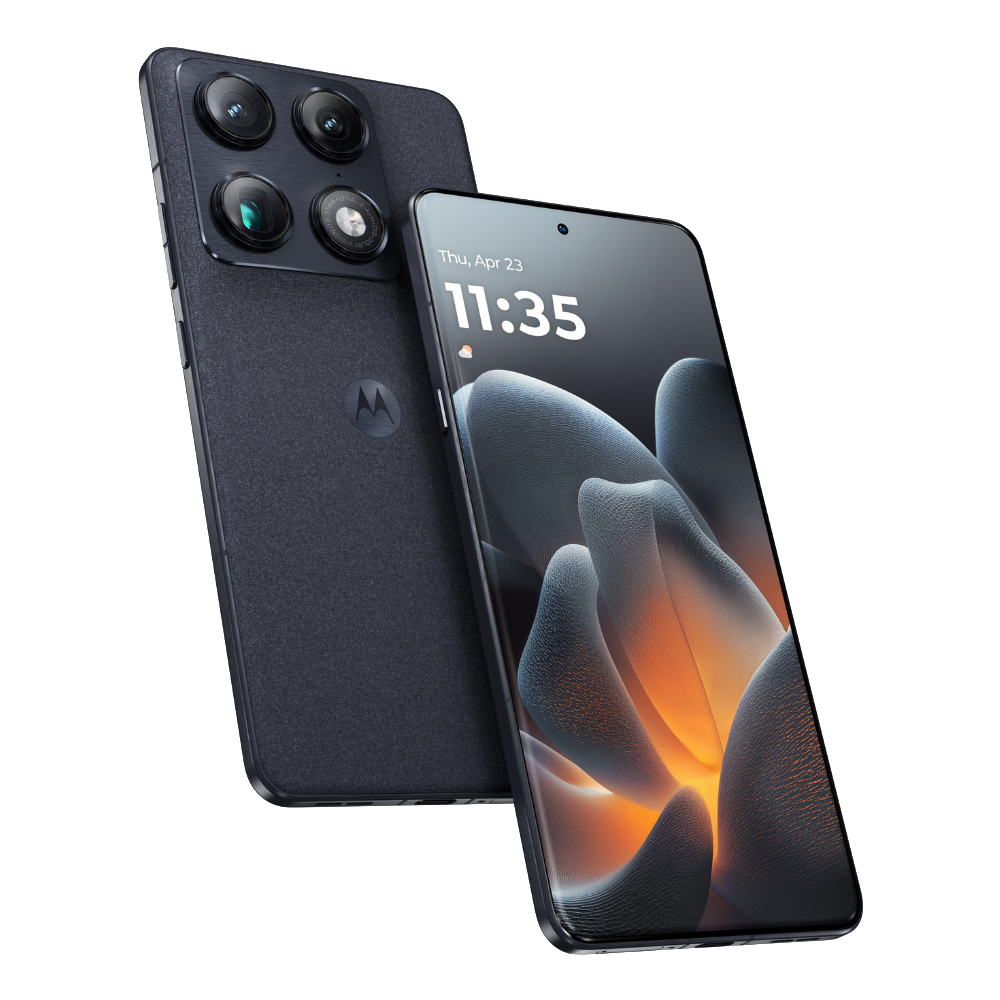
NEW YORK — In a decisive maneuver that signals a fundamental evolution in its go-to-market strategy, Motorola has officially unveiled its latest top-tier device: the Motorola Signature 27. Priced aggressively at $1,599, this release marks a definitive departure from the company’s historical emphasis on mid-range volume and value-oriented disruption. Instead, the Signature 27 steps squarely into the hyper-competitive ultra-premium arena, taking direct aim at established heavyweights like Apple’s Pro Max line and Samsung’s Ultra series.
For financial analysts, industry insiders, and technology strategists, the introduction of the Signature 27 is far more than a routine hardware refresh. It is a calculated stress-test of brand elasticity, capital allocation, and market positioning. As macroeconomic pressures influence discretionary spending, Motorola’s willingness to push past the $1,500 psychological barrier underscores a broader industry pivot toward margin expansion over sheer unit volume.
The Catalytic Shift: Moving Beyond Mid-Range Volume
Test Our Free AI & Tech Utilities Suite
Calculate LLM API token costs, analyze article dwell-time, or simulate tech DCA returns.
For the better part of the last decade, Motorola—operating under the umbrella of Chinese technology giant Lenovo—carved out a highly lucrative niche by dominating the sub-$500 and mid-tier markets, particularly in North America and Latin America. However, while unit shipments remained stable, average selling prices (ASPs) stagnated. In an era where component costs, R&D expenditures for generative AI, and supply chain complexities continue to escalate, relying solely on volume strategies presents severe limitations on enterprise ROI and long-term operating margins.
The catalytic event leading to the Motorola Signature 27 was twofold: the maturation of high-end mobile silicon capable of handling complex cloud-compute architecture locally, and a distinct market opening left by shifting consumer loyalties. By introducing a device built without fiscal compromise, Motorola aims to capture enterprise professionals, affluent tech enthusiasts, and high-net-worth consumers who demand uncompromising build quality, advanced cryptographic security, and elite performance benchmarks.
Hardware Architecture and Enterprise-Grade Capabilities

Underneath its polished chassis, the Motorola Signature 27 is engineered to satisfy the rigorous demands of enterprise IT directors and power users alike. Industry insiders tracking the supply chain note that the device features cutting-edge components designed to future-proof mobile operations against upcoming regulatory compliance mandates and evolving cybersecurity threats.
- Next-Generation Processing Engine: Powered by the latest 3nm flagship silicon, paired with expansive RAM allocations that seamlessly execute localized machine learning models and heavy multi-threaded productivity applications.
- Enhanced Security Framework: Integrates hardware-backed root of trust, enterprise-grade encryption keys, and continuous firmware risk mitigation protocols tailored for corporate environments.
- Advanced Imaging & Optics: Features a multi-sensor camera array co-engineered with optical industry leaders, offering enterprise-level image stabilization and high-dynamic-range recording suited for digital media creation and remote corporate communications.
- Power Management & Infrastructure Scalability: Incorporates high-density battery cells with ultra-fast charging capabilities, minimizing downtime for mobile executives operating across global time zones.
| Specification Metric | Motorola Signature 27 | Industry Benchmark (Ultra-Tier) |
|---|---|---|
| Launch MSRP | $1,599 | $1,199 – $1,599 |
| Primary Silicon Architecture | Advanced 3nm Octa-Core + Dedicated NPU | Proprietary 3nm Mobile Chipsets |
| Base Memory Configuration | 16GB LPDDR5X RAM | 8GB – 12GB RAM |
| Storage Capacity Options | 512GB / 1TB UFS 4.0 | 256GB / 512GB / 1TB |
| Target Market Segment | Ultra-Premium Consumers & Enterprise Executives | Mass-Affluent & Prosumer Markets |
Industry & Market Implications: Who Wins and Who Loses?
The introduction of a $1,599 flagship from Motorola sends immediate shockwaves across the global telecommunications landscape. Market liquidity and consumer spending habits in the premium tier will face an immediate test as retail channels allocate shelf space for the new device.
The Winners: Enterprise procurement departments stand to benefit from increased competition in the ultra-premium space, as rival manufacturers may be forced to offer more aggressive enterprise deployment terms, volume discounts, and extended software support lifecycles. Furthermore, Lenovo’s mobile division stands to capture higher gross margins per unit sold, bolstering overall corporate earnings reports.
The Losers: Incumbent market leaders—specifically Apple and Samsung—face a renewed, credible threat to their duopoly in the Western hemisphere's high-end smartphone market. While Motorola still faces a steep uphill battle in brand perception regarding four-figure handsets, any erosion of market share in the $1,500+ bracket directly impacts their high-margin revenue streams.
Frequently Asked Questions (People Also Ask)
What justifies the $1,599 price tag of the Motorola Signature 27?
The price point reflects a convergence of premium component selection, including state-of-the-art 3nm silicon, high-capacity memory configurations, advanced optical arrays, and rigorous enterprise-grade security protocols designed to meet corporate compliance standards.
How does the Signature 27 impact Lenovo���s financial outlook?
By shifting focus toward ultra-premium devices, Lenovo aims to elevate average selling prices (ASPs) and expand hardware gross margins. Success in this category directly supports positive operating income and enhances valuation multiples for the mobile business group.
Is the Motorola Signature 27 aimed at enterprise users or everyday consumers?
The device is dual-purposed. While it features consumer-facing luxuries like advanced photography and elite display technology, its cryptographic security framework, infrastructure scalability features, and high-performance computing capabilities make it highly attractive to enterprise professionals and corporate IT buyers.
Where and when will the Motorola Signature 27 be available for purchase?
Global rollout schedules indicate immediate availability across tier-1 markets in North America, Europe, and select Asian territories through major carrier channels, unlocked retail partners, and direct enterprise procurement portals.
Future Outlook and Key Milestones to Watch
As the Motorola Signature 27 hits retail shelves and enterprise deployment pipelines, financial institutions and industry analysts will closely monitor several key performance indicators over the next two to four quarters. First, sell-through rates in the critical North American market will determine whether consumers are willing to accept Motorola as a legitimate player in the ultra-premium tier. Second, enterprise adoption metrics—particularly corporate fleet orders—will signal whether the device's security and performance features resonate with IT decision-makers.
Ultimately, the Motorola Signature 27 is a high-stakes referendum on brand repositioning. If successful, it will rewrite the playbook for legacy technology brands attempting to break free from margin compression. Should it falter, it will serve as a stark reminder of the immense brand equity required to command four-figure sums in an unforgiving global marketplace.


