Bond Yields Hit 20-Year Highs: Wall Street Braces for 'Multiple Rate Hikes' and Rising Recession Risks
NEW YORK / SYDNEY — Global financial markets are flashing their most ominous warning lights in a generation. Bond yields have surged to levels not seen in two decades, driven by persistent inflation fears and mounting speculation that central banks will be forced to implement aggressive, multiple interest rate hikes before the tightening cycle finally concludes.
The dramatic repricing of sovereign debt, first highlighted by international wire services including the Australian Broadcasting Corporation (ABC News), has sent shockwaves through trading desks from Wall Street to Sydney. For months, economists debated whether central banks would orchestrate a soft landing or tip the global economy into a downturn. Now, the bond market is rendering its verdict: higher-for-longer interest rates are locked in, and the risk of a hard landing is climbing rapidly.
The Anatomy of the Bond Market Shock
To understand the panic gripping the fixed-income market, one must look at the mechanics of bond yields. When investors demand higher yields, bond prices fall. This downward spiral reflects a loss of confidence in the short-term economic outlook and a demand for higher compensation to hold government debt amid sticky inflation.
According to primary market data, benchmark sovereign yields have broken through psychological barriers that have held firm since the early 2000s. The root cause is a potent cocktail of stubborn consumer price indices, resilient labor markets, and resilient consumer spending that refuses to cool down despite previous monetary tightening.
- 20-Year Highs: Sovereign bond yields across major developed economies have climbed to levels last witnessed during the pre-financial crisis era.
- Inflation Expectations: Investors are aggressively pricing in the reality that inflation will remain above central bank targets of 2% for an extended period.
- Hawkish Pivot: Futures markets are no longer betting on rate cuts in the near term; instead, they are aggressively pricing in the probability of "multiple rate hikes" later this year.
- Yield Curve Dynamics: Ongoing distortions in the yield curve continue to flash reliable historical warnings of an impending economic slowdown.
Why the Bond Market Matters to Main Street

While bond yields might seem like an abstract concept reserved for Wall Street traders and institutional portfolio managers, they serve as the foundational pricing mechanism for the entire global economy. Every mortgage, corporate loan, auto financing deal, and credit card rate is benchmarked directly against government bond yields.
As yields skyrocket, the cost of capital surges in lockstep. For corporations, this means higher debt-servicing costs, which typically eat into profit margins, stall capital expenditures, and eventually lead to hiring freezes or layoffs. For consumers, the impact is immediately visible in soaring mortgage rates and tighter lending standards.
Financial analysts interviewed across global markets note that the velocity of the current sell-off is what makes it uniquely dangerous. Sudden moves in fixed-income markets historically expose hidden vulnerabilities in the financial system, recalling recent stress events in regional banking and non-bank financial intermediation.
Key Market Metrics at a Glance
| Economic Indicator | Current Status | Historical Context | Market Implication |
|---|---|---|---|
| Global Bond Yields | Multi-decade highs | Highest levels in 20 years | Severe tightening of financial conditions |
| Central Bank Outlook | Hawkish repricing | Shift from pause to potential hikes | Higher cost of capital for businesses |
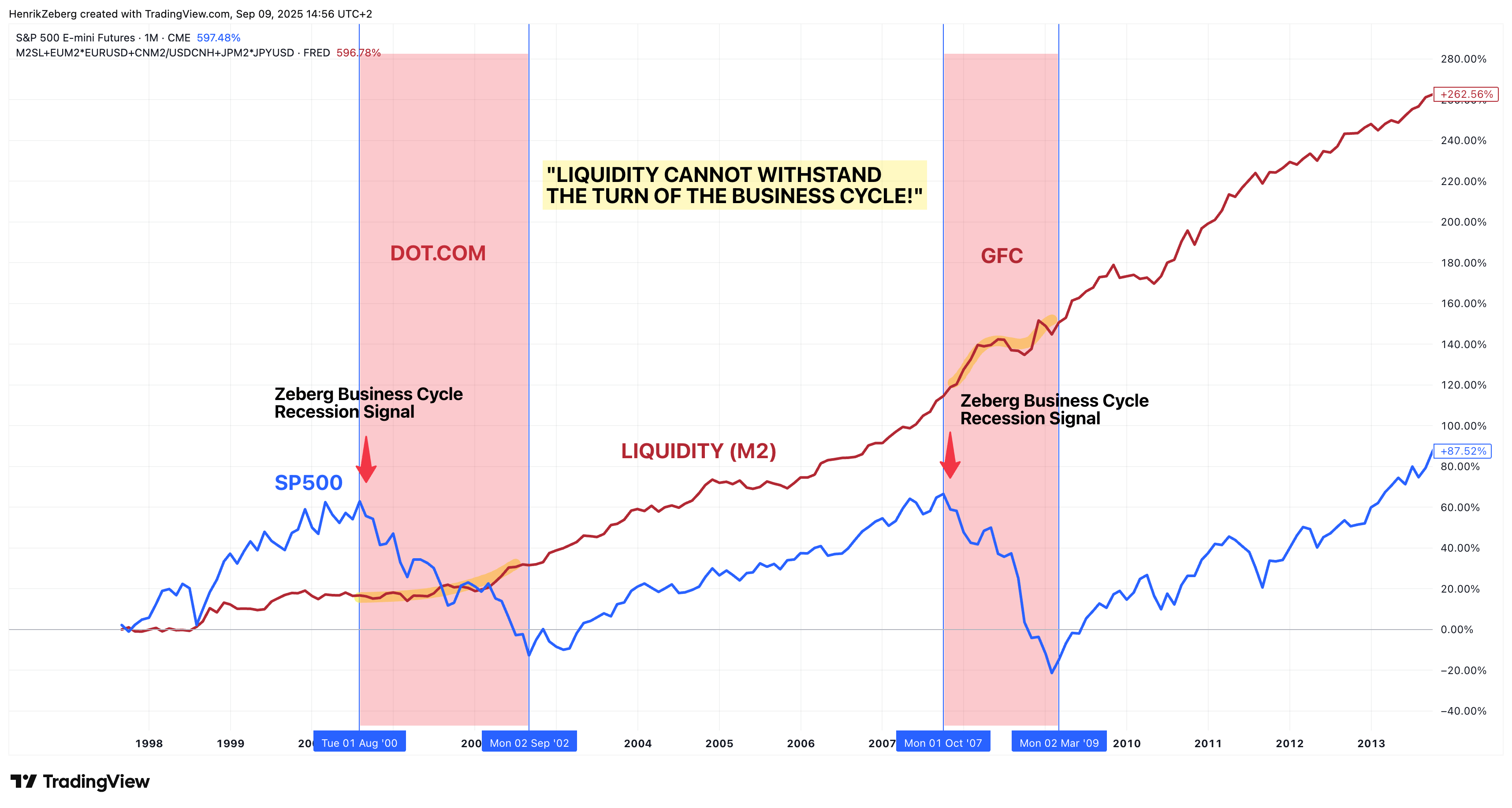
| Recession Probability | Elevated & Rising | Inverted yield curve signals | Increased risk of economic contraction |
| Inflation Trajectory | Sticky / Above Target | Resilient wage and service costs | Forces prolonged monetary restraint |
Central Banks Trapped Between Inflation and Growth
Federal Reserve officials, European Central Bank policymakers, and the Reserve Bank of Australia now face a brutal policy dilemma. If they stop raising rates too early, inflation could become permanently embedded in the global economy, destroying consumer purchasing power. However, if they continue aggressive rate hikes to stamp out price pressures, they risk crushing economic growth and triggering a severe recession.
Recent statements from central bankers emphasize a "data-dependent" approach, but the incoming economic data has consistently surprised to the upside. Labor markets remain remarkably tight, and wage growth continues to outpace pre-pandemic averages, fueling the very demand-pull inflation that central banks are desperate to eradicate.
"The bond market is essentially rebelling against the narrative that central banks can easily engineer a painless victory over inflation," notes a senior fixed-income strategist in New York. "Traders are realizing that getting inflation all the way back down to 2% may require a degree of economic destruction that policymakers have not yet publicly acknowledged."
Future Outlook: Navigating the Storm
As global markets adjust to this new paradigm of higher interest rates and elevated bond yields, asset allocators are shifting their strategies. Safe-haven assets are being reassessed, equity valuations are facing severe downward pressure as discounted cash models are recalculated using higher discount rates, and corporate balance sheets are being scrutinized for debt maturity walls.
For investors, businesses, and policymakers alike, the message from the bond market is unambiguous: the era of cheap money is definitively over, and the road ahead will require intense financial discipline to weather the rising storm of higher rates and recession risks.
Frequently Asked Questions
1. Why are bond yields hitting 20-year highs?
Bond yields are surging because persistent inflation and resilient economic data are forcing investors to demand higher returns. Additionally, markets anticipate that central banks will need to implement further interest rate hikes to cool the economy, driving existing bond prices down and yields up.
2. What does this mean for everyday consumers and borrowers?
As government bond yields rise, the cost of borrowing money across the broader economy increases. Consumers will face higher interest rates on mortgages, auto loans, credit cards, and personal loans, making major purchases more expensive and tightening household budgets.