
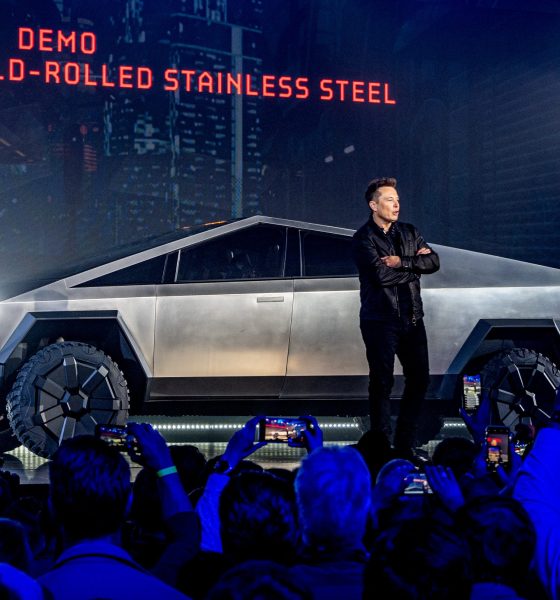
AUSTIN, Texas — In a stunning strategic pivot that threatens to reshape the narrative around one of the automotive industry’s most polarizing vehicles, Tesla Inc. Chief Executive Elon Musk has reportedly signaled an end date for the angular, stainless-steel-clad Cybertruck. According to internal manufacturing disclosures surfacing through supply-chain networks and corroborated by wire services, Tesla has outlined an operational horizon that sunsets Cybertruck production by the close of 2027.
For an organization where product roadmaps are routinely treated as fluid guidelines rather than fixed anchors, the definitive timeline underscores a harsh economic reality: the ultra-low-volume, high-complexity production curve of the Cybertruck is colliding with rigorous corporate mandates for capital allocation efficiency, enterprise ROI, and margin optimization. As institutional investors increasingly demand disciplined risk mitigation and accelerated infrastructure scalability, Tesla's leadership appears ready to close the book on the stainless-steel experiment far earlier than Wall Street originally anticipated.
Executive Takeaways
Test Our Free AI & Tech Utilities Suite
Calculate LLM API token costs, analyze article dwell-time, or simulate tech DCA returns.
- The 2027 Sunset: Tesla has mapped out an internal production horizon ending Cybertruck assembly lines by late 2027, cutting short a lifecycle that only commenced in earnest in late 2023.
- Capital Reallocation: The winding down of the specialized Gigafactory Texas line frees up critical engineering talent and physical footprint for next-generation vehicle architectures and autonomous robotaxi fleets.
- Margin Pressures: Low initial production velocity, high retooling overhead, and specialized stainless-steel metallurgy challenged the vehicle's long-term enterprise ROI and gross margin targets.
- Market Repercussions: Secondary vehicle valuations, early adopter sentiment, and parts-ecosystem stability face immediate disruption as collectors and fleet operators digest the limited-run status of the flagship truck.
Comprehensive Narrative: The Rise and Abrupt Horizon of an Industrial Experiment
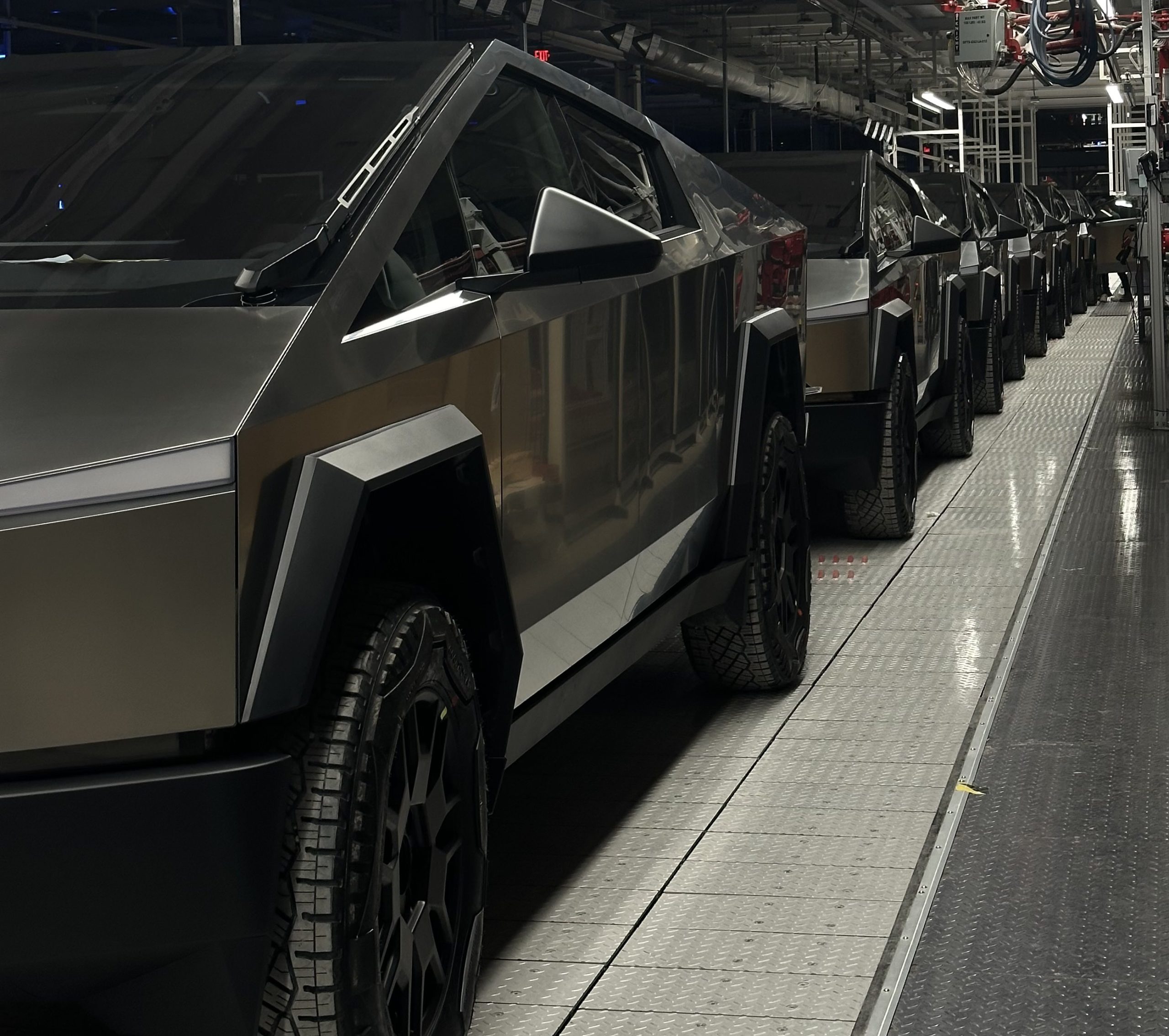
When Elon Musk first rolled the Cybertruck onto a Los Angeles stage in November 2019, shattering supposedly shatterproof armor glass in front of a global livestream audience, it was billed as an existential challenge to Detroit's pickup truck hegemony. Yet, the path from prototype to scaled production proved to be an engineering labyrinth. Utilizing ultra-hard 30X cold-rolled stainless steel exoskeleton panels required unprecedented tooling, laser-cutting innovations, and fabrication techniques that defied standard automotive manufacturing conventions.
By the time initial customer deliveries commenced at Gigafactory Texas in late 2023, the automotive landscape had shifted dramatically. High interest rates, cooling mainstream EV adoption curves, and fierce competition from legacy original equipment manufacturers (OEMs) forced automakers to scrutinize cash flow generation. Despite hundreds of thousands of non-binding reservations logged in the immediate wake of its unveiling, conversion rates faced severe friction due to final retail pricing that drifted significantly north of initial marketing promises.
Behind closed doors, Tesla’s executive leadership team has been locked in intense debates regarding infrastructure scalability. Maintaining a dedicated, highly complex production line for a low-volume halo vehicle fundamentally clashes with the company's broader pivot toward high-volume, low-cost next-generation compact platforms and cybercab infrastructure. Equity analysts note that valuation multiples for Tesla are increasingly tied to artificial intelligence, full-self-driving (FSD) software licensing, and energy storage, rather than bespoke vehicle metalwork.
By telegraphing a 2027 production termination, Tesla effectively establishes a finite scarcity model. This move allows the company to satisfy existing reservation backlogs and fulfill initial fleet pilot programs while insulating itself from the long-term capital expenditure required to maintain a niche manufacturing ecosystem. For Wall Street, the decision signals a pragmatic return to core manufacturing fundamentals: if a product line fails to achieve mass-market cost parity and scalable cash generation, it must be pruned.
Verified Data & Metrics Breakdown
| Metric / Milestone | Initial Projection | Current Reality / Target | Strategic Implication |
|---|---|---|---|
| Production Lifecycle | Indefinite multi-decade run | Targeted end in 2027 | Accelerated product lifecycle requiring rapid asset amortization. |
| Annual Output Capacity | 250,000 units/year | Capped far below peak estimates | Sub-scale output dampens enterprise ROI and margin accretion. |
| Primary Assembly Hub | Gigafactory Texas (Dedicated zone) | Re-tooled for next-gen platforms | Frees up critical factory floor space for high-volume autonomous fleets. |
| Capital Expenditure | High ongoing retooling investment | Stabilizing spend, capital pivot | Improves corporate market liquidity and free cash flow metrics. |
Industry & Market Implications
The impending conclusion of Cybertruck manufacturing reverberates far beyond Tesla’s Austin headquarters, carrying profound consequences for the broader electric vehicle ecosystem, supply chain partners, and automotive financial markets.
Winners
- Core EV Competitors: Legacy automakers and EV startups racing to capture pickup market share (such as Ford, Rivian, and General Motors) gain a clearer runway without the disruptive, high-visibility marketing footprint of the Cybertruck commanding industry mindshare.
- Tesla Shareholders & Capital Allocators: Financial institutions prioritizing operational discipline and capital efficiency view the sunsetting of low-margin, high-complexity manufacturing as a bullish signal of fiscal maturity.
- Next-Gen Engineering Teams: Internal talent previously sequestered in resolving stainless-steel stamping and casting bottlenecks can now pivot entirely to high-priority autonomous software deployment and affordable platform architecture.
Losers
- Specialized Tier-1 Suppliers: Vendors who invested heavily in bespoke tooling, stainless-steel metallurgy, and specialized casting components face an abbreviated demand horizon, forcing rapid risk mitigation strategies.
- Early Adopters & Speculators: Secondary market liquidity and resale value projections for early-model Cybertrucks will experience downward pressure as the vehicle transitions from an ongoing flagship to a finite, discontinued novelty.
- Aftermarket Ecosystem: Companies developing customized armor, wrapping solutions, and off-road modifications must recalibrate long-term business models around a shrinking total addressable fleet.
Frequently Asked Questions (People Also Ask)
Why is Tesla planning to end Cybertruck production by 2027?
The decision is driven by a combination of capital efficiency, manufacturing complexity, and shifting corporate priorities. The Cybertruck requires highly specialized tooling, particularly for its stainless-steel exoskeleton, which limits mass-market scalability and suppresses profit margins. By sun-setting the vehicle in 2027, Tesla can reallocate valuable factory floor space at Gigafactory Texas and redirect engineering resources toward higher-volume, lower-cost vehicle platforms and autonomous robotaxi infrastructure.
What will happen to existing Cybertruck reservations and current owners?
Tesla is expected to fulfill remaining active reservation backlogs through 2026 and early 2027 before closing the assembly line. For current owners, Tesla remains legally and operationally obligated to provide spare parts, collision repair services, and software updates. However, the discontinuation of production will likely transform the vehicle into a collector's item, potentially stabilizing long-term valuations for well-maintained models while shifting the aftermarket parts supply chain into a specialized maintenance category.
How does this decision impact Tesla's financial outlook and stock valuation?
Wall Street equity analysts generally view the move as a pragmatic exercise in risk mitigation and capital allocation discipline. While the Cybertruck served as a powerful marketing halo vehicle, its low production velocity and heavy upfront capital expenditure hindered optimal gross margin expansion. Eliminating a low-volume, high-overhead program allows Tesla to direct free cash flow toward high-margin software services, artificial intelligence training compute architecture, and mass-market vehicle scalability, aligning more closely with institutional investor expectations.
What will replace the Cybertruck manufacturing line at Gigafactory Texas?
While official operational disclosures remain closely guarded, industry analysts and supply-chain auditors anticipate that the vacated footprint will be rapidly retrofitted for next-generation vehicle architectures, dedicated autonomous taxi (Cybercab) production, and expanded energy storage manufacturing. This transition supports Tesla's broader corporate transformation from a traditional hardware-focused automaker into an enterprise-scale autonomous software and clean energy ecosystem.
Future Outlook & Key Milestones to Watch
As Tesla navigates the final chapters of the Cybertruck lifecycle, financial analysts and industry observers will monitor several critical milestones leading up to 2027. First, quarterly delivery reports will be scrutinized for stabilization in reservation conversion rates and gross margin improvements on the vehicle line. Second, observations surrounding Gigafactory Texas retooling permits and equipment deliveries will signal the speed at which Tesla begins transitioning manufacturing floor space toward next-generation platforms.
Ultimately, the planned termination of the Cybertruck in 2027 marks the end of an audacious chapter in automotive design—one that pushed the boundaries of material science and public relations. Whether viewed as a visionary experiment that permanently altered truck styling or a costly detour from mass-market electrification, the decision proves that even the world's most valuable electric vehicle manufacturer must ultimately bow to the immutable laws of enterprise ROI, capital discipline, and market liquidity.


