Mission Control's Ultimate Homecoming? NASA Initiates Contracting to Relocate Space Shuttle Discovery to Houston
WASHINGTON & HOUSTON — In a development destined to send shockwaves through the global aerospace community and reignite intense regional rivalries, NASA has officially begun the formal contracting process to potentially relocate the legendary Space Shuttle Discovery from its current home to Space City: Houston, Texas.
The move comes on the heels of strategic legislative maneuvering, with Capitol Hill recently approving targeted federal funding specifically earmarked to evaluate and execute the monumental logistical undertaking. For Houston—the historic heart of U.S. human spaceflight operations—the initiative represents a long-awaited celestial homecoming. However, for current custodians and space enthusiasts elsewhere, the prospect of moving one of NASA’s most decorated orbiters is already sparking fierce debate over institutional heritage, tourism, and national preservation.
As federal procurement officers lay the groundwork for transport, aerospace analysts, municipal leaders, and space history buffs are examining what this high-stakes relocation means for the future of American space artifacts.
The Path to Texas: Funding Secured, Contracts Open
According to federal procurement filings and local reports originating from Houston Public Media, NASA’s initiation of the contracting process marks the first concrete administrative step toward shifting Discovery’s permanent exhibition footprint. While the space agency has maintained a cautious posture regarding final timelines, the release of preliminary contract solicitations confirms that feasibility studies, transport engineering, and site-readiness assessments are now actively underway.
Crucially, the relocation initiative is backed by congressional momentum. Lawmakers recently approved baseline funding to cover the complex engineering assessments required to move a space-faring vehicle of Discovery’s sheer scale across state lines. Transporting a 122-foot-long, 85,000-pound orbital vehicle is no small feat; it requires meticulous multi-modal logistics involving specialized heavy-haulp transport, FAA coordination, and delicate structural engineering to ensure the spacecraft remains pristine.
- The Core Driver: Congress has authorized targeted funding to support relocation logistics and feasibility assessments.
- The Engineering Hurdle: Moving an 85,000-pound orbiter requires specialized transport architecture and pristine environmental controls.
- The Economic Impact: Houston tourism boards project a massive surge in educational and economic activity should the iconic shuttle find a permanent berth in Texas.
Why Discovery? The Crown Jewel of the Fleet
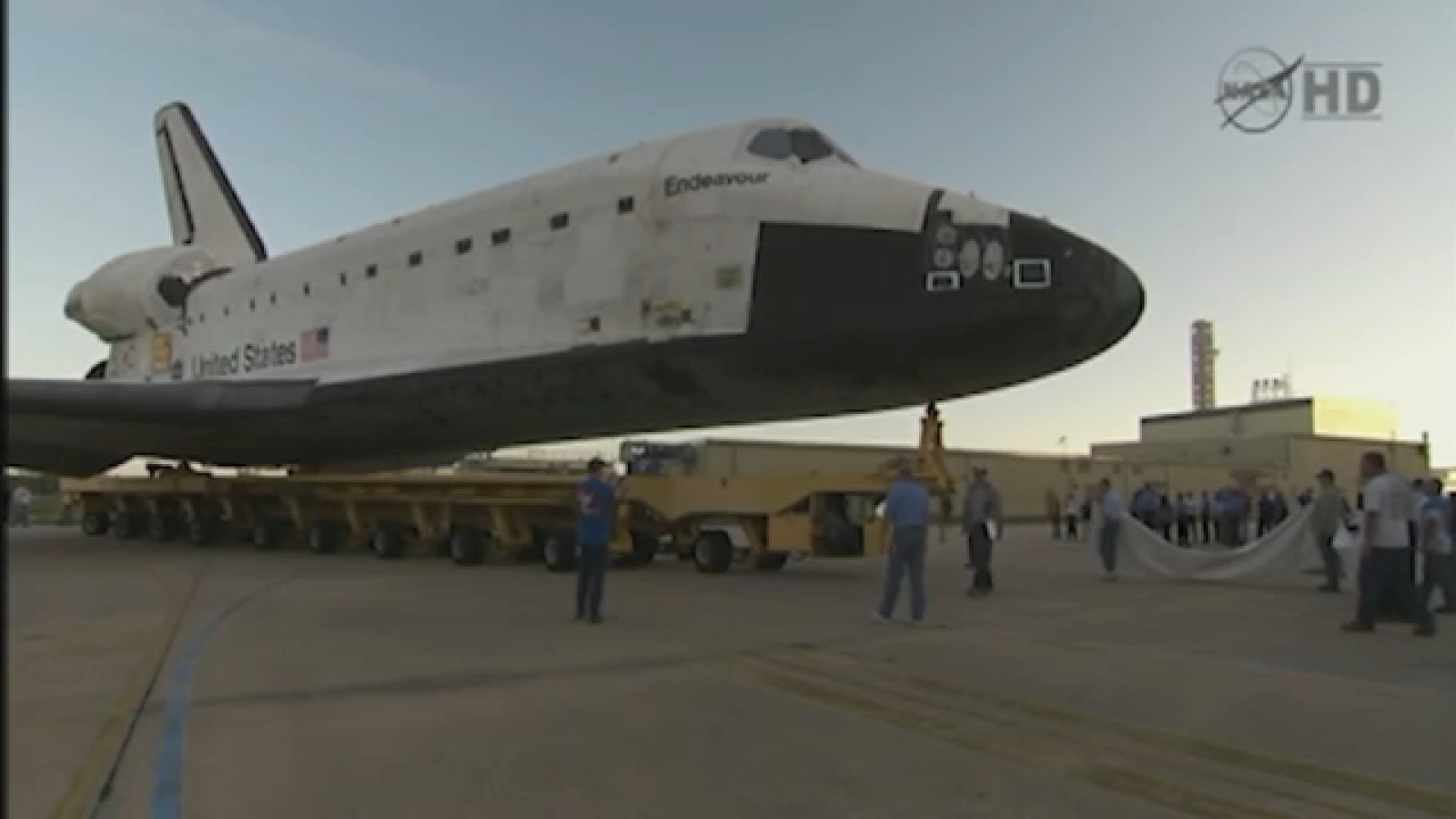
To understand the gravity of the potential move, one must understand Discovery’s unmatched pedigree. As the third operational orbiter built, Discovery flew more missions than any other spacecraft in NASA’s fleet, logging 39 successful flights over nearly three decades of service.
It was Discovery that served as NASA’s "Return to Flight" orbiter following both the Challenger and Columbia tragedies, earning a reputation as the workhorse of the shuttle era. It deployed the Hubble Space Telescope in 1990, carried John Glenn back into space in 1998, and completed the final docking of a space shuttle to the International Space Station in 2011.
Placing such a historically seismic artifact in Houston—long considered the spiritual and operational capital of American crewed space missions through the Johnson Space Center—carries immense symbolic weight for aerospace veterans and Texas stakeholders alike.
Key Project Metrics & Operational Timeline
| Project Phase | Status | Key Objective |
|---|---|---|
| Congressional Funding | Approved | Secure baseline capital for transport feasibility and engineering assessments. |
| Contracting Process | Active / Initiated | Solicit aerospace logistics, engineering, and transport bids. |
| Site Evaluation | Pending | Assess structural display readiness and environmental climate control in Houston. |
| Final Relocation Decision | Under Review | Weigh federal oversight, institutional agreements, and logistical hurdles. |
Broader Implications for Aerospace Heritage and Tourism
The prospect of relocating Discovery touches a nerve within the delicate ecosystem of U.S. museum curation and aerospace preservation. When the shuttle program officially retired in 2011, NASA distributed the remaining orbiters to select institutions across the country, sparking intense political lobbying at the time.
Should Discovery transition to a new institutional home in Houston, it would fundamentally alter the national map of space exploration tourism. Local economic development officials in Texas are already projecting significant spikes in educational tourism, museum attendance, and STEM program engagement. However, critics and preservationists will undoubtedly scrutinize the immense taxpayer and private costs associated with moving a pristine national artifact.
For now, NASA’s contracting officers are laser-focused on the data. As engineering bids roll in over the coming months, the feasibility reports will dictate whether the historic orbiter prepares for one final, monumental journey down to the Lone Star State.
Frequently Asked Questions
1. Is the relocation of Space Shuttle Discovery officially finalized?
Not yet. NASA has initiated the contracting and procurement process and secured initial congressional funding to study and execute the logistics, but final relocation decisions depend on comprehensive feasibility and engineering reviews.
2. Why is Space Shuttle Discovery historically significant?
Discovery is NASA’s most-flown orbiter, completing 39 missions. It famously deployed the Hubble Space Telescope, carried Senator John Glenn back into orbit, and served as the "Return to Flight" vehicle following both major shuttle fleet tragedies.