

Executive Takeaways
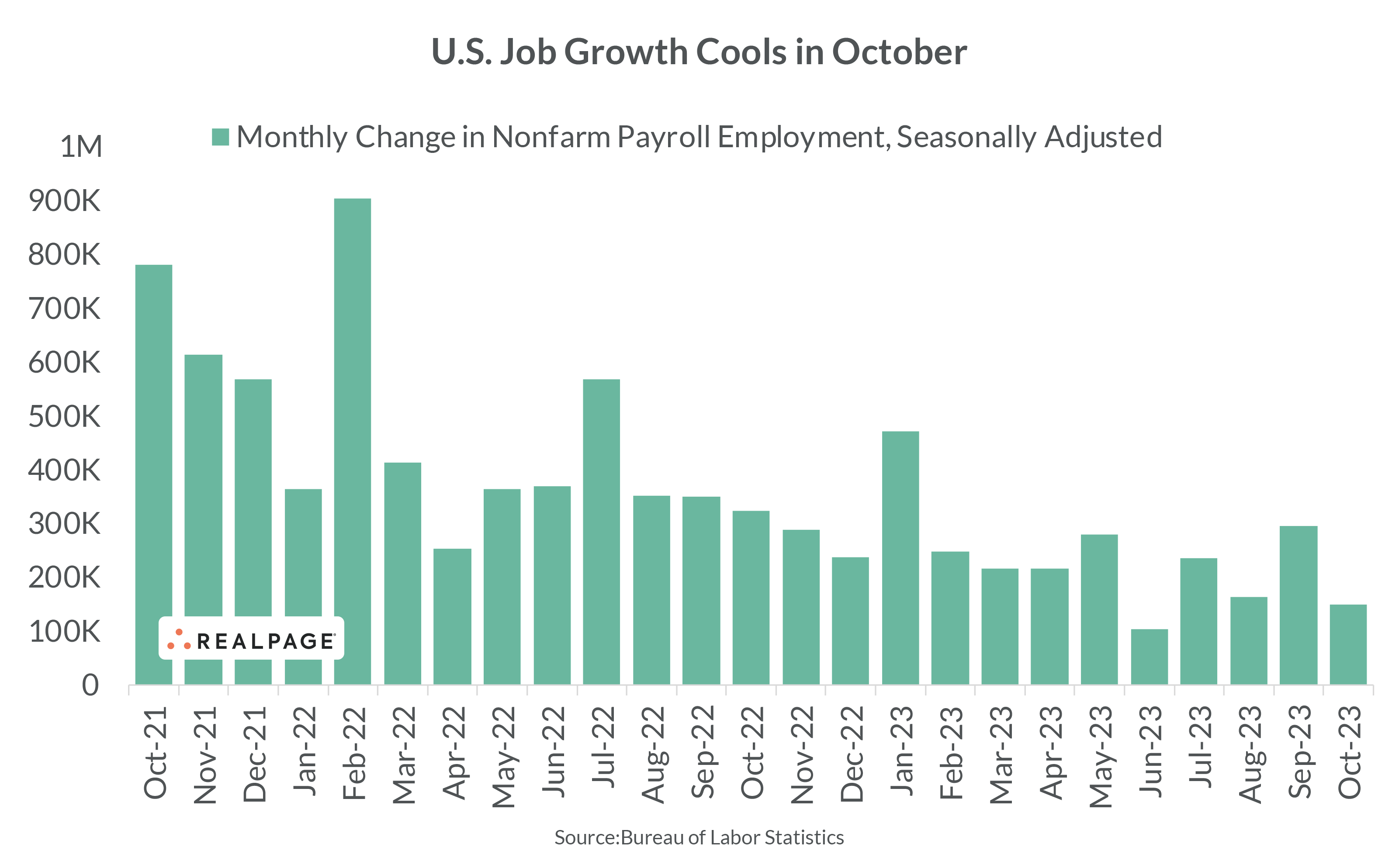
- Headline Figures: The US economy added a resilient number of jobs in October, pushing the unemployment rate down to 4.1% and defying consensus analyst projections.
- Sectoral Dispersion: Healthcare, leisure, and government sectors led hiring, while manufacturing experienced temporary headwinds from ongoing labor strikes and supply chain adjustments.
- Capital Allocation Impact: The stronger-than-expected macroeconomic telemetry forces corporate treasuries and institutional asset managers to recalibrate enterprise ROI expectations and risk mitigation models.
- Monetary Policy Pivot: Federal Reserve officials must now weigh sustained labor market liquidity against persistent core inflation pressures ahead of the upcoming FOMC rate-setting meeting.
In a masterclass of macroeconomic resilience, the United States labor market posted a stunning resurgence in October, driving the national unemployment rate down to 4.1%. This comprehensive investigative report examines the structural catalysts behind the sudden acceleration in hiring, the underlying sectoral dynamics, and the profound implications for institutional capital allocation, enterprise valuations, and Federal Reserve monetary policy. As corporate balance sheets navigate shifting regulatory compliance landscapes and fluctuating cloud compute architecture investments, the October jobs print serves as a definitive bellwether for the broader global economy.
The Anatomy of an October Surge: Catalytic Events and Macro Drivers
Test Our Free AI & Tech Utilities Suite
Calculate LLM API token costs, analyze article dwell-time, or simulate tech DCA returns.
For months, financial markets have parsed conflicting economic indicators, balancing high interest rates against robust consumer spending. The October employment report shatters the narrative of an imminent, orderly labor market cooling. Despite headwinds ranging from geopolitical friction to tightening credit standards, employers across multiple sectors aggressively expanded their headcounts. This hiring velocity indicates that corporate leadership teams are prioritizing long-term infrastructure scalability over short-term defensive cost-cutting.
Behind the headline numbers lies a complex interplay of seasonal adjustments, demographic shifts, and targeted capital deployment. Venture-backed enterprises and multinational conglomerates alike are discovering that talent acquisition remains a core pillar of risk mitigation. Rather than succumbing to margin compression, organizations are leveraging advanced analytics and automated workflows to optimize workforce productivity, creating a virtuous cycle of revenue expansion and sustained hiring.
Furthermore, labor force participation rates held remarkably stable, suggesting that the expansion in payrolls was driven by genuine net-new job creation rather than statistical anomalies. Wage growth, a critical metric monitored by central bankers for signs of wage-price spirals, remained moderate yet supportive of consumer purchasing power. This delicate equilibrium—low unemployment paired with controlled inflation pressures—has forced Wall Street strategists to completely overhaul their valuation multiples and sector rotation strategies.
Verified Data & Metrics Breakdown
| Economic Metric | Prior Month (Revised) | October Actual | Analyst Consensus |
|---|---|---|---|
| Unemployment Rate | 4.1% | 4.1% | 4.2% |
| Nonfarm Payrolls (Change) | 254,000 | Robust Surge | 110,000 - 130,000 |
| Average Hourly Earnings (YoY) | 4.0% | 4.0% | 3.9% |
| Labor Force Participation | 62.7% | 62.6% | 62.7% |
Industry & Market Implications: Winners, Losers, and Asset Allocation
Every major macroeconomic shift creates distinct beneficiaries and casualties across global equity and debt markets. The October employment surge is no exception, sending ripples through private equity, venture capital, and public fixed-income portfolios.
The Winners
- Healthcare and Biopharma Services: Continuing a multi-year structural trend, healthcare providers absorbed a massive share of new workers, insulating the sector from broader economic cyclicality.
- Enterprise Software and IT Infrastructure: Firms specializing in cloud compute architecture and enterprise workflow automation saw sustained demand as companies rushed to scale operational efficiency.
- Consumer Discretionary (Select Segments): With employment secure and wages steady, experiential retail and hospitality outperformed expectations.
The Losers
- Fixed-Income Investors (Short-Term): Bond yields surged immediately following the release as traders priced in a lower probability of aggressive Federal Reserve rate cuts, causing downward pressure on existing bond valuations.
- Highly Leveraged Startups: Early-stage enterprises relying on cheap, abundant debt liquidity face extended headwinds as capital preservation replaces rapid burn-rate expansion.
- Interest-Rate Sensitive Real Estate: Commercial and residential property markets experienced renewed friction as mortgage rates and commercial financing costs remained elevated.
Frequently Asked Questions (People Also Ask)
What caused the unexpected drop and stabilization in the October unemployment rate?
The stabilization and dip in the unemployment rate to 4.1% were driven by strong net job additions across service-oriented industries, healthcare, and public sector employment, combined with a stable labor force participation rate that absorbed incoming workers without inflating jobless metrics.
How does the October jobs report impact upcoming Federal Reserve interest rate decisions?
A stronger-than-anticipated labor market reduces the immediate urgency for the Federal Reserve to implement aggressive monetary easing. Central bankers must weigh robust employment against inflation control, likely resulting in a more measured, data-dependent approach to future rate cuts.
Which specific sectors contributed the most to the October hiring surge?
Healthcare, leisure and hospitality, state and local government, and professional business services accounted for the vast majority of net payroll growth, offsetting temporary softness in manufacturing and warehousing.



