Executive Takeaways
- Nostalgia Monetization: The cult-classic 2002 arena fighter Godzilla: Destroy All Monsters Melee has sparked intense digital discourse following unconfirmed modern platform remaster rumblings and archival code preservation efforts.
- IP & Licensing Minefield: Bringing retro licensed properties back to contemporary hardware demands navigating a complex labyrinth of expired corporate partnerships, multi-party copyright holders, and risk mitigation strategies.
- Critical Reception Split: While legacy players praise the physics-based arena destruction and authentic Kaiju roster, modern critical review aggregates highlight aging mechanics, input latency, and structural balance issues by today's fighting game standards.
- Valuation & Market Liquidity: Physical secondary market values for original Xbox and GameCube copies remain volatile, underscoring how enterprise re-releases directly impact collector asset valuations and digital storefront monetization.
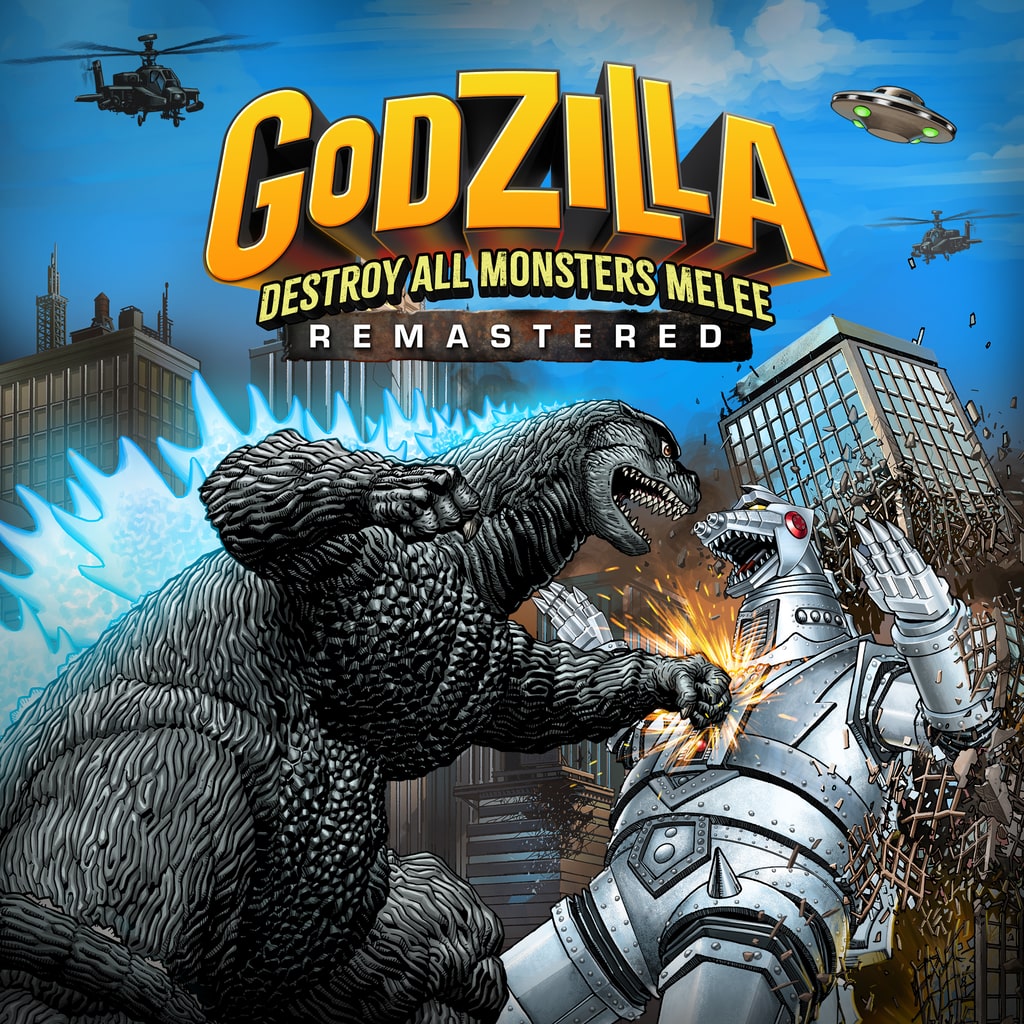
For a generation of gamers who grew up navigating the jagged polygon cityscapes of the early 2000s, few titles evoke as visceral a memory as Godzilla: Destroy All Monsters Melee. Originally developed by Pipeworks Software and published by Atari in 2002 for the Nintendo GameCube, followed by an optimized port to the Microsoft Xbox in 2003, the title remains a gold standard for licensed arena brawlers. Today, as search engine telemetry spikes across Google Trends and industry wires light up with chatter regarding potential remasters, contemporary critics and financial analysts alike are asking a fundamental question: Can classic monster brawls survive modern critical scrutiny, or is this merely an exercise in capitalizing on fleeting millennial nostalgia?
Examining this phenomenon requires looking past the surface-level excitement of digital storefront updates. In the current economic climate, intellectual property (IP) is treated as a high-yield corporate asset. Capital allocation strategies among major media conglomerates increasingly rely on dusting off legacy catalogs, optimizing infrastructure scalability for digital distributions, and testing valuation multiples through targeted re-releases. Yet, bringing back a game tied to Toho's cinematic universe involves an extraordinarily complex corporate clearance process. As we dissect the technical realities, critical reception, and market implications of this resurgence, we reveal the intricate mechanics driving modern retro-revival strategies.
The Genesis of a Cult Classic and the Modern Remaster Impasse
Test Our Free AI & Tech Utilities Suite
Calculate LLM API token costs, analyze article dwell-time, or simulate tech DCA returns.
To understand the current discourse surrounding the game, one must examine its historical impact. Released during a transitional era in video game hardware development, Godzilla: Destroy All Monsters Melee captured the cultural zeitgeist of classic kaiju cinema while offering surprisingly robust four-player multiplayer mechanics. Players could level entire urban infrastructures, hurl adversaries through skyscrapers, and embody iconic beasts including Godzilla, Mothra, King Ghidorah, and Rodan.
However, modern game preservation and software distribution face severe bottlenecks. Unlike original first-party titles, licensed games are notoriously difficult to bring forward to contemporary platforms such as the PlayStation 5, Xbox Series X/S, and Nintendo Switch. Regulatory compliance, expired music and likeness rights, and fractured publishing rights often create a legal roadblock that halts even the most promising capital allocation for a remaster. When rumors circulate regarding a modern high-definition port or remake, financial analysts look closely at whether the projected return on investment (ROI) justifies the grueling legal negotiation required to clear the IP rights.
Furthermore, technical infrastructure demands have evolved exponentially. Transitioning an early-2000s codebase—designed for 480i standard-definition displays and primitive local multiplayer architectures—into a modern cloud-enabled environment requires significant software engineering overhead. Modern players expect robust netcode, 4K resolution support, locked framerates, and cross-platform matchmaking. Without these modern amenities, even the most beloved nostalgic properties risk severe backlash upon re-release.
What Do the Critics Think? A Comprehensive Breakdown

As discussions regarding modern revisions or re-releases gain traction, media outlets and gaming critics have re-evaluated the original title. The critical consensus is a fascinating dichotomy between affective emotional resonance and objective mechanical evaluation.
On one hand, contemporary retrospective reviews praise the game's absolute dedication to its source material. Pipeworks Software managed to translate the lumbering, destructive scale of giant monsters into a fast-paced fighting format without sacrificing the sense of environmental devastation. Reviewers note that the tactile satisfaction of toppling buildings, triggering military interventions, and executing signature beam attacks remains remarkably potent.
On the other hand, harsh realities temper the enthusiasm of modern critics. When subjected to the rigorous standards of contemporary fighting game design—which emphasizes frame-data precision, sophisticated combo branching, and deep competitive balance—Destroy All Monsters Melee shows its age. Critics point out:
- Input Latency and Camera Control: Early 3D arena cameras frequently obscure action, leading to disorienting positioning during chaotic four-player matches.
- Shallow Single-Player Campaign: The adventure mode relies heavily on repetitive wave-clear objectives that lack the narrative depth expected by today's consumers.
- Imbalanced Roster Mechanics: Certain monsters possess dominant projectile spam tactics that undermine competitive viability and casual party-play fairness alike.
This critical divergence creates a unique marketing challenge. While nostalgic consumers are primed to purchase digital copies instantly based on goodwill, younger demographics accustomed to modern fighting game complexities may find the retro mechanics unrefined.
| Evaluation Metric | 2002 Original Release | Modern Critical Consensus | Implications for Remaster |
|---|---|---|---|
| Visual Fidelity & Scale | Groundbreaking 480i urban destruction for sixth-gen consoles. | Low-poly counts, muddy textures, and rigid animations. | Demands complete asset overhauls or faithful upscale filters. |
| Combat Mechanics | Accessible, frantic party-fighting suitable for casual groups. | Prone to button-mashing; lacks deep competitive frame data. | Requires optional modern tuning modes to satisfy esports crowds. |
| Multiplayer Infrastructure | Purely local 4-player splitscreen multiplayer. | Local-only play is viewed as a severe limitation today. | Rollback netcode is an absolute mandatory inclusion for success. |
| IP & Legal Status | Secure publisher agreement between Atari, Pipeworks, and Toho. | Fragmented rights make corporate authorization highly complex. | Acts as the primary barrier preventing commercial distribution. |
Industry & Market Implications: Monetizing Nostalgia in a Crowded Sector
The conversation surrounding a potential remaster of Godzilla: Destroy All Monsters Melee extends far beyond fan forums; it touches directly on the economics of intellectual property monetization. In enterprise media strategy, legacy catalogs represent untapped revenue streams that require minimal creative risk compared to greenlighting entirely new intellectual properties.
When publishers evaluate retro revivals, they perform rigorous risk mitigation analyses. Licensing agreements with copyright holders such as Toho Co., Ltd. involve complex royalty structures, regional approvals, and strict adherence to brand guidelines. If a publisher successfully navigates these regulatory compliance hurdles, the market liquidity for nostalgic media can yield high-margin digital sales.
Conversely, failure to secure proper licensing or botching a technical remaster can severely damage brand equity. Collectors who trade physical OG Xbox and GameCube copies on secondary markets monitor these developments closely. An official digital re-release often impacts physical collector valuations, shifting the dynamics of secondary market pricing while opening the floodgates for mass-market digital adoption.
Frequently Asked Questions (People Also Answered)
Why hasn't 'Godzilla: Destroy All Monsters Melee' received an official modern remaster yet?
The primary obstacle is a complex web of licensing and copyright issues. The original game involved partnerships between developer Pipeworks Software, publisher Atari (and later Atari's shifting corporate structures), and Japanese IP holder Toho. Untangling expired music rights, likeness permissions, and modern publishing rights often requires extensive legal negotiations that outpace projected financial returns.
How do contemporary critics rate the game's mechanics today?
Modern critics praise the game's authentic atmosphere, destructive environments, and faithful representation of classic movie monsters. However, reviews highlight that the combat mechanics, camera controls, and single-player modes feel dated compared to modern fighting game standards, emphasizing the need for significant quality-of-life updates if a remaster ever materializes.
Can you still play the original Xbox or GameCube versions on modern hardware?
The original physical discs are not natively compatible with current-generation consoles like the PS5 or Xbox Series X/S. However, enthusiasts often utilize retro emulation software or original hardware setups via CRT televisions and legacy consoles to experience the game in its original form.
What features would a modern remaster need to succeed in today's gaming market?
To capture both nostalgic veterans and new players, an ideal remaster would require updated 4K visual assets, modernized camera controls, performance-locked framerates, and most importantly, robust online multiplayer with rollback netcode to eliminate latency during cross-platform matches.
Future Outlook: What Comes Next for Kaiju Gaming
As consumer demand for archival video game preservation intensifies and digital storefronts seek reliable engagement drivers, properties like Godzilla: Destroy All Monsters Melee remain prime candidates for corporate re-evaluation. Whether the current wave of online discussion translates into a fully funded remaster remains contingent on boardroom negotiations and legal clearances.
For investors, media executives, and passionate gamers alike, monitoring these developments offers a clear window into how the entertainment industry extracts value from its past. As cloud infrastructure scalability improves and digital distribution lowers barriers to entry, the appetite for classic monster brawls shows no sign of abating. The market is ready—the only remaining question is whether corporate stakeholders can successfully align to unleash the titans once more.