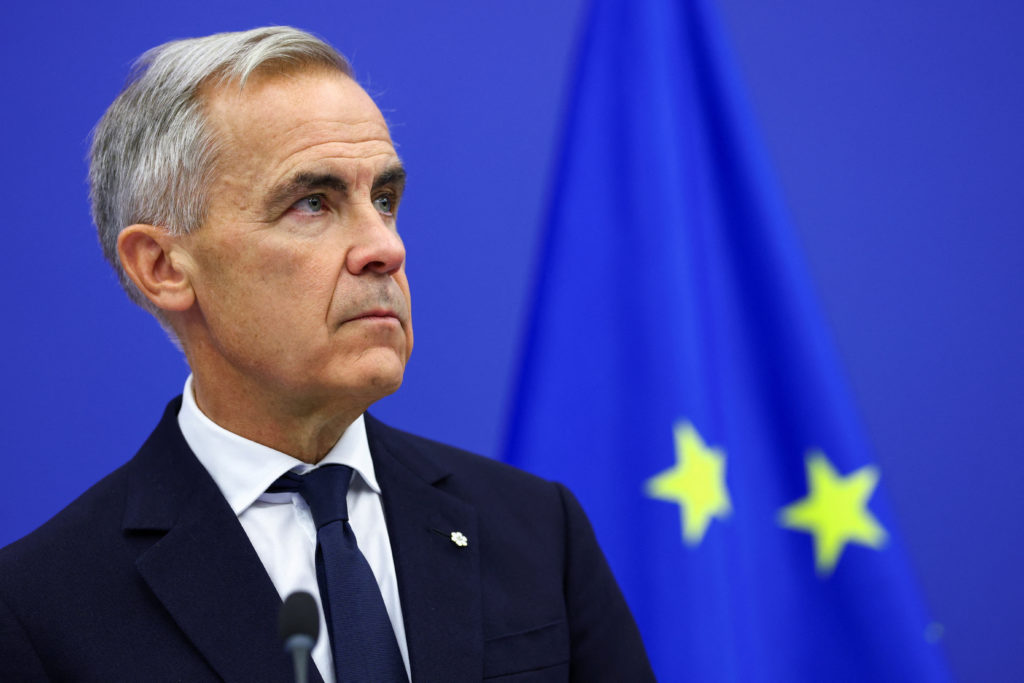
Manila Meltdown: Philippine Court Orders Arrest of VP Sara Duterte Over Death Threats to President Marcos
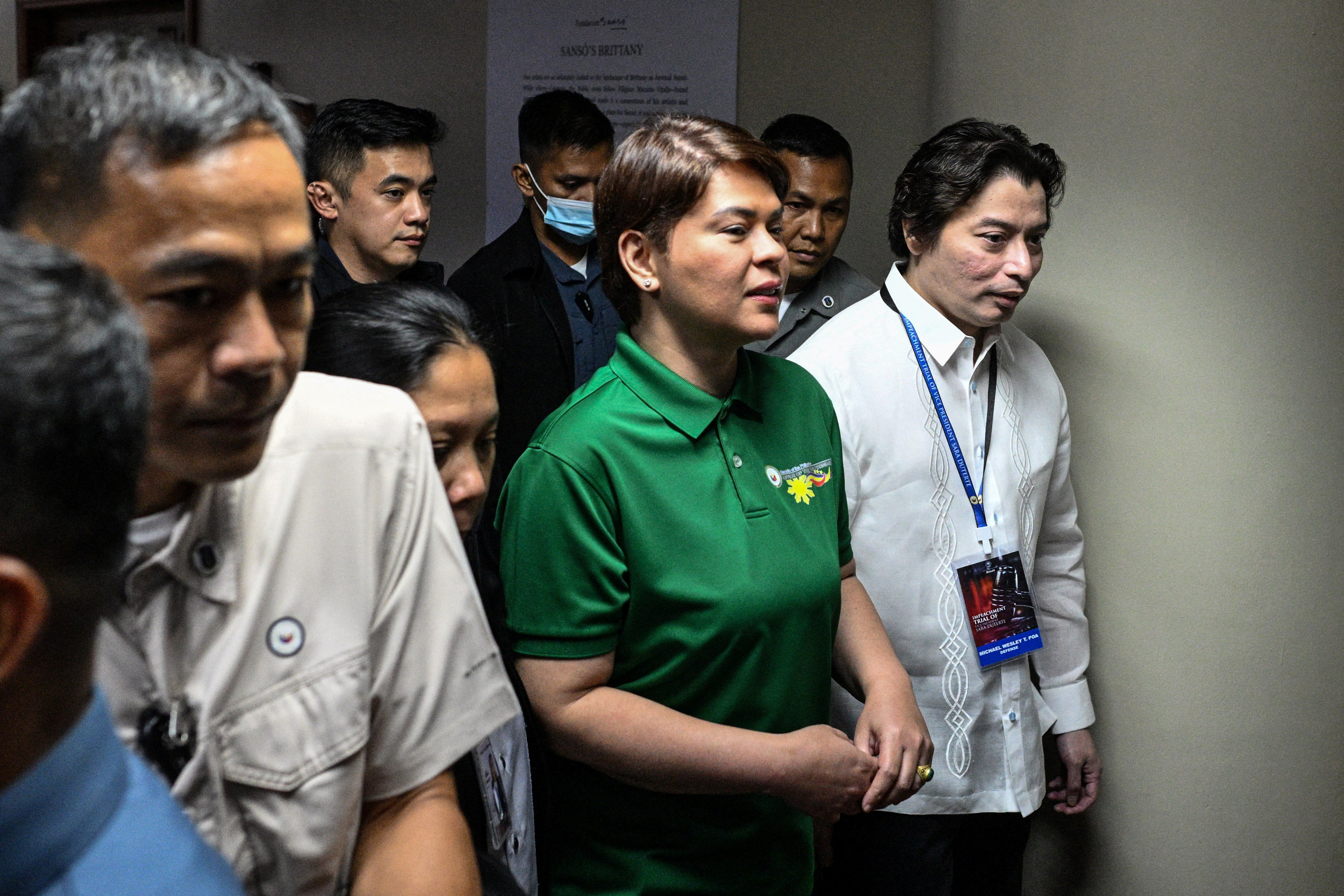
MANILA — In an unprecedented escalation of a bitter feud between the Philippines’ two most powerful political dynasties, a Manila court has ordered the arrest of Vice President Sara Duterte. The warrant stems from criminal charges of "grave threats" after she publicly declared she had contracted an assassin to eliminate President Ferdinand Marcos Jr., the First Lady, and the Speaker of the House should she herself be assassinated.
The development plunges the Southeast Asian nation into its deepest constitutional and political crisis in decades, shattering the fragile "UniTeam" alliance that swept both leaders to landslide victories in 2022. For global investors and regional security analysts, the open warfare between the Marcos and Duterte factions threatens to destabilize one of Asia's fastest-growing economies and pivotally alter its geopolitical alignment.
The Trigger: A Midnight Press Conference and a Deadly Warning
The legal firestorm was ignited during a dramatic, pre-dawn online press conference on November 23. Visibly frustrated by the detention of her chief of staff on separate congressional contempt charges, Vice President Duterte made a chilling pronouncement that stunned the nation.
"I have talked to a person," Duterte said during the briefing. "I said, ‘If I am killed, you kill BBM [Ferdinand Marcos Jr.], Liza Araneta [the First Lady], and Martin Romualdez [the House Speaker]. No joke. No joke.’ I gave the order: ‘Do not stop until you have killed them, and then he said yes.’"
While Duterte later attempted to walk back the comments—framing them as an expression of concern for her own safety rather than an active conspiracy—the Marcos administration acted swiftly. The National Bureau of Investigation (NBI) filed formal criminal charges under Article 282 of the Revised Penal Code, which penalizes "grave threats." On Monday, a Pasay City metropolitan trial court found probable cause to issue a formal warrant of arrest.
Executive Summary: Key Takeaways of the Political Crisis
- The Legal Charge: Vice President Sara Duterte faces charges of "grave threats," a criminal offense under Philippine law. While the charge is bailable, it represents an unprecedented prosecution of a sitting Vice President.
- No Absolute Immunity: Unlike the President, the Vice President of the Philippines does not enjoy constitutional immunity from criminal prosecution, leaving Duterte vulnerable to arrest and trial.
- The Geopolitical Angle: The clash pits the pro-Western administration of Marcos Jr. against the pro-Beijing alignment of the Duterte family, potentially reshaping the South China Sea security landscape.
- Market Impact: The Philippine Peso and the Manila stock index have experienced heightened volatility as foreign investors weigh the risks of domestic political instability.
The Collapse of the 'UniTeam' and the Geopolitical Undercurrents
The arrest order is not merely a legal dispute; it is the culmination of a year-long, slow-motion collapse of the political marriage of convenience between the Marcoses of the north and the Dutertes of the south. In 2022, Ferdinand Marcos Jr. and Sara Duterte—daughter of the controversial former President Rodrigo Duterte—ran on a joint ticket, securing a historic majority.
However, relations soured rapidly over fundamental policy divergences, fiscal disputes, and geopolitical loyalty:
1. Geopolitical Realignment
President Marcos Jr. has dramatically shifted Philippine foreign policy back toward its traditional ally, the United States, granting the U.S. military expanded access to bases facing Taiwan and the South China Sea. This directly reversed the Beijing-friendly, anti-Washington stance championed by Rodrigo Duterte, drawing sharp criticism from the Duterte camp.
2. The ICC Threat
The Duterte family fears the Marcos administration might cooperate with the International Criminal Court (ICC), which is investigating Rodrigo Duterte’s bloody "war on drugs" that claimed thousands of lives. Sara Duterte’s allies view the current legal onslaught as an attempt to politically neutralize her ahead of the 2028 presidential elections.
3. Budgetary Clashes
The House of Representatives, led by Marcos's cousin Speaker Martin Romualdez, stripped Vice President Duterte of millions of dollars in "confidential and intelligence funds" from her office's budget, citing a lack of accountability. This move stripped the VP of crucial political patronage leverage.
Comparing the Factions: Marcos vs. Duterte
The ongoing feud divides the country's political apparatus into two distinct camps, with major implications for domestic policy and international trade:
| Metric/Feature | The Marcos Faction (The Administration) | The Duterte Faction (The Opposition) |
|---|---|---|
| Key Figures | President Ferdinand Marcos Jr., Speaker Martin Romualdez | VP Sara Duterte, Former President Rodrigo Duterte |
| Foreign Policy Lean | Pro-United States, Pro-EDCA (Enhanced Defense Cooperation Agreement) | Pro-China, Skeptical of Western military presence |
| Key Stronghold | Northern Luzon (Ilocos Region) | Mindanao (Davao City) |
| Economic Stance | Foreign investment liberalization, infrastructure development | Populist welfare programs, state-led development |
Economic Fallout and Market Reactions
For international markets, political stability in Manila is paramount. The Philippines has recently positioned itself as an attractive alternative supply chain hub in Asia, boasting robust GDP growth. However, a prolonged, high-stakes legal battle between the top two executives could damage investor sentiment.
Investment banks in Manila have already warned that heightened political noise could lead to capital flight. "Foreign investors dislike uncertainty above all else," said a senior emerging markets strategist in Singapore. "If this escalates into street protests or attempts to impeach either leader, we could see a sell-off in the Philippine Peso (PHP) and a downgrade of sovereign risk assessments."
What Lies Ahead: Constitutional and Legal Next Steps
Because "grave threats" is a bailable offense, legal analysts expect Vice President Duterte to post bail immediately to avoid spending time behind bars. This will allow her to remain free while contesting the charges in court.
However, the political damage is done. Duterte’s opponents in Congress are already quietly discussing the possibility of filing an impeachment complaint against her, citing a betrayal of public trust and violation of the constitution. If impeached by the House and convicted by the Senate, she would be permanently stripped of office and barred from running for public office again, effectively ending her 2028 presidential ambitions.
With both sides digged in, the coming weeks will determine whether the Philippines can resolve this executive crisis through constitutional means, or if it will spill over into the streets of Manila.
Frequently Asked Questions
Can a sitting Philippine Vice President be arrested?
Yes. Under the Philippine Constitution, only the President enjoys absolute immunity from criminal prosecution and civil suits while in office. The Vice President can be charged, arrested, and tried in a court of law for ordinary criminal offenses, although they can only be removed from office through impeachment.
What are the maximum penalties for the charges Sara Duterte faces?
Sara Duterte is charged with "grave threats" under the Revised Penal Code. Depending on the gravity of the threat and whether conditions were attached to it, the offense carries a penalty ranging from arresto mayor (one to six months imprisonment) to prision correccional (six months to six years), alongside monetary fines.