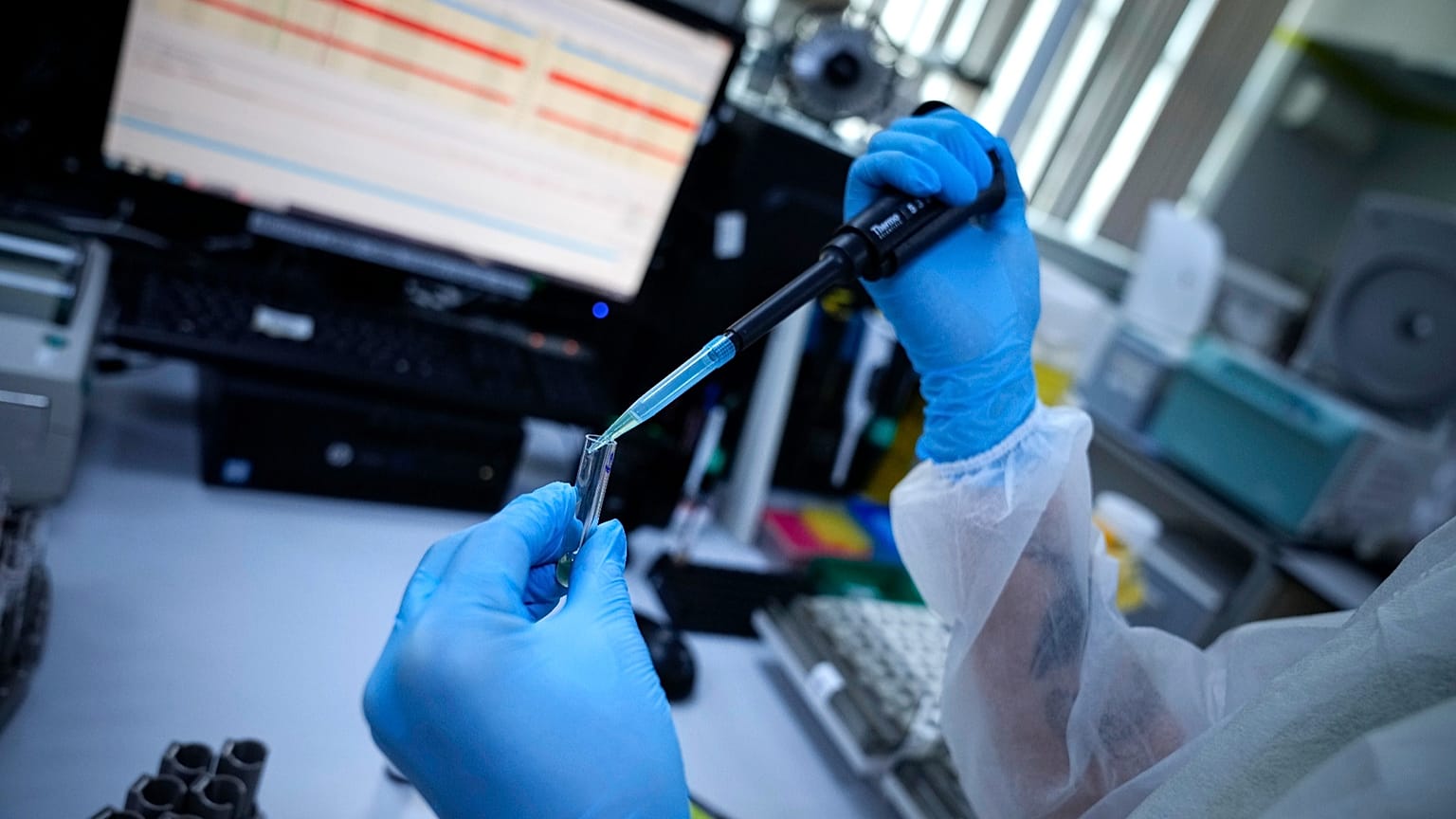
BRUSSELS / MOSCOW — European Union health and security monitors are tracking a suspected plague outbreak inside Russia with heightened urgency, according to senior diplomatic and public health officials. The development has triggered immediate concern across continental border controls, reviving memories of historical pandemics and testing already-fragile diplomatic lines between Brussels and Moscow.
The situation, flagged by regional intelligence feeds and international epidemiological wires, has prompted the European Centre for Disease Prevention and Control (ECDC) to activate enhanced surveillance protocols. While specific details remain tightly restricted due to verification challenges, international health bodies are treating the threat with maximum gravity, given the high mortality rate associated with the plague pathogen.
What We Know: The Suspected Russia Outbreak
According to preliminary wire reports and trending global intelligence data, regional health authorities near the affected Russian territory have implemented localized containment measures. The exact geographic epicenter and patient zero metrics remain opaque, a result of restricted information flow from Russian state agencies.
However, international epidemiological networks have detected unusual spikes in acute febrile respiratory illnesses and localized quarantines in remote administrative zones historically prone to zoonotic reservoirs. The plague—caused by the bacterium Yersinia pestis—manifests primarily in bubonic or pneumonic forms, the latter of which can be transmitted rapidly via airborne droplets.
Brussels is demanding transparency. European Commission spokespersons confirmed that emergency task forces are coordinating with the World Health Organization (WHO) to cross-reference satellite data, medical supply movements, and cross-border transit logs.
Key Developments at a Glance
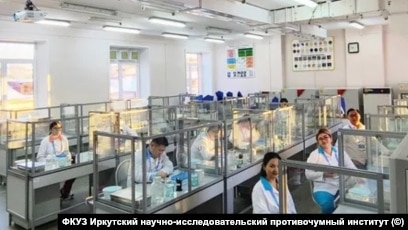
- EU Response: The ECDC has elevated its threat assessment matrix, establishing a dedicated intelligence cell to monitor Russian border regions.
- Information Vacuum: Official acknowledgments from Moscow remain sparse, fueling international speculation and diplomatic friction.
- Transport & Travel: Neighboring EU member states, particularly in the Baltic region and Eastern Europe, are reviewing customs and health screening protocols.
- WHO Involvement: Global health monitors are pressing Russian federal health ministries for transparent epidemiological data and strain sequencing samples.
The Geopolitical and Public Health Stakes
The timing of this suspected outbreak compounds an already volatile geopolitical landscape. With ongoing economic sanctions severely restricting direct technological and medical cooperation between Russia and the West, establishing a reliable, verified channel for disease surveillance has become exceptionally difficult.
Public health experts warn that pathogens recognize no borders. In an interconnected global economy, a localized biological event can quickly transform into a transnational crisis if containment fails or if vital diagnostic data is suppressed for political expediency.
| Metric / Indicator | Current Status | Implication for Europe |
|---|---|---|
| EU Threat Level | Elevated Monitoring | Heightened vigilance at Eastern European land borders. |
| Information Transparency | Extremely Low | Reliance on secondary intelligence and WHO verification channels. |
| Pathogen Risk | High (Yersinia pestis) | Requires strict isolation protocols and immediate antibiotic deployment. |
| Economic Impact | Minimal (Precautionary) | Potential for localized trade slowdowns if border checks intensify. |
Historical Context: Why Yersinia Pestis Still Commands Fear
While modern antibiotics—primarily streptomycin, gentamicin, and doxycycline—are highly effective against Yersinia pestis if administered early, the disease retains a formidable psychological and physiological footprint. Natural reservoirs of the plague bacteria exist naturally in rodent populations across parts of Central Asia, Siberia, and the Russian steppes.
Periodically, climatic shifts or ecological disruptions cause epizootic events among rodent populations, occasionally spilling over into human populations. Historically, Russian health authorities have managed these localized flare-ups through strict quarantine rings and vector control. However, current infrastructural strains and geopolitical isolation have raised fears that local response capacities may be compromised.
What Comes Next: The Outlook for Global Markets and Travel
As markets digest the initial reports, commodities and travel-adjacent equities are beginning to factor in potential supply chain friction if border restrictions tighten. While financial analysts emphasize that it is premature to price in a systemic pandemic scenario, the immediate priority remains securing verifiable data from the ground.
For international travelers and businesses operating near the Russian periphery, advisories are currently sitting at a "watch and wait" status. Health ministries across the EU are expected to issue updated clinical guidance for medical practitioners over the next 48 to 72 hours, focusing on early identification of symptoms and emergency supply stockpiling.
Frequently Asked Questions
1. Is there an immediate danger of a plague pandemic in Europe?
Currently, public health authorities emphasize that the situation is being monitored as a precautionary measure. There is no evidence of transmission within the European Union, and modern antibiotics remain highly effective against the disease if caught early.
2. Why is the European Union relying on monitors rather than direct reports from Russia?
Due to ongoing geopolitical tensions and strained diplomatic channels, official communication between Moscow and Brussels is severely restricted. International health bodies like the ECDC and WHO are utilizing intelligence networks, satellite data, and regional reports to verify the situation.