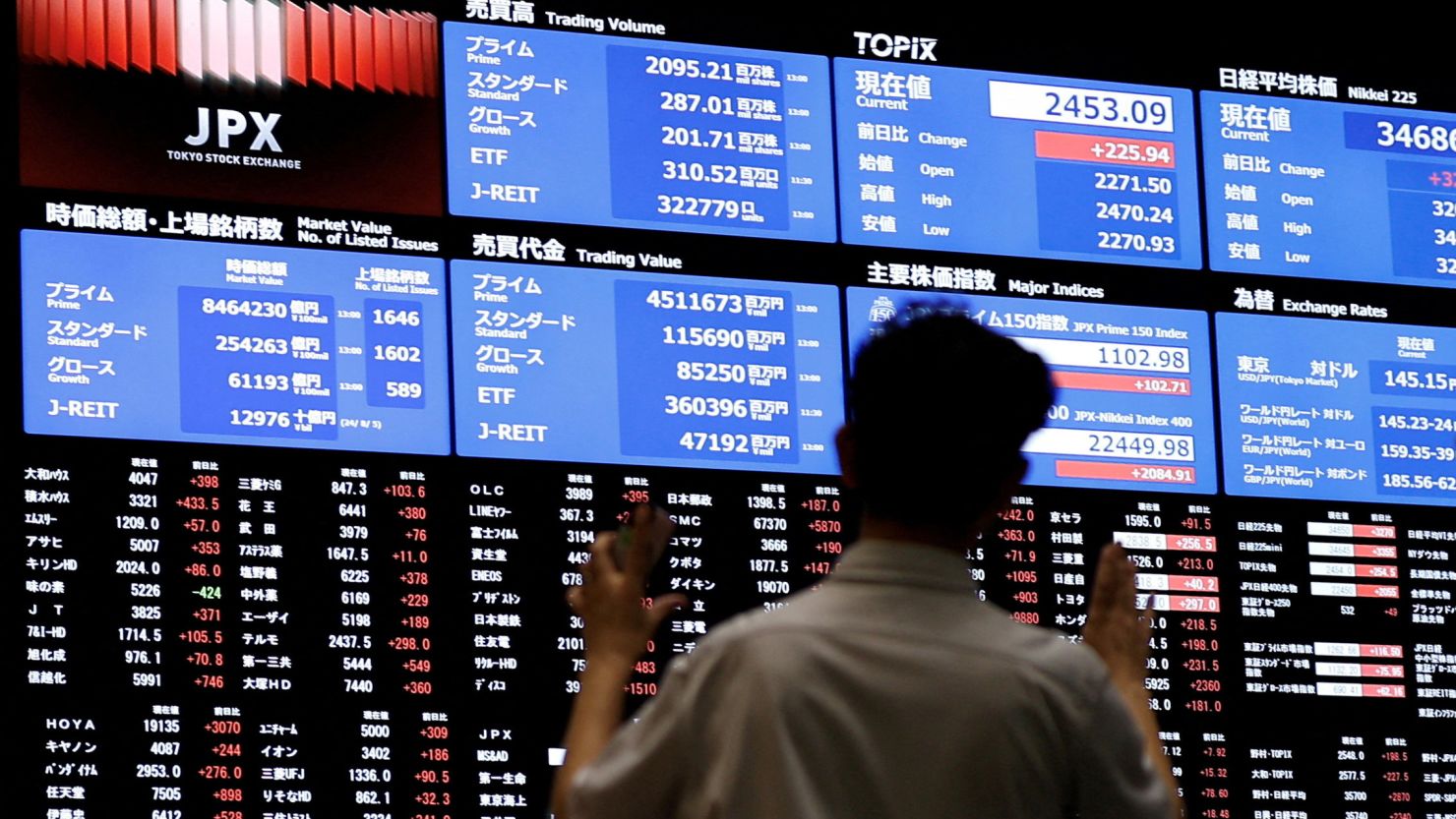
Global financial architecture is experiencing a profound recalibration following the conclusion of the United States presidential election. In early trading across Asian bourses, regional stock indexes registered decisive gains, fueled by a surge in investor risk appetite and an aggressive retreat in crude oil prices. As institutional capital managers execute rapid portfolio rebalancing, market participants are weighing the implications of shifting political leadership on fiscal policy, cross-border trade agreements, and energy market liquidity. This comprehensive investigative report analyzes the macroeconomic catalysts driving the current market wrap, evaluates sector-specific winners and losers, and examines the long-term strategic adjustments required for optimal capital allocation in a volatile macroeconomic environment.
Executive Takeaways
Test Our Free AI & Tech Utilities Suite
Calculate LLM API token costs, analyze article dwell-time, or simulate tech DCA returns.
- Equities Rally: Asian stock markets advanced broadly as post-election clarity reduced short-term macroeconomic uncertainty, driving a sharp expansion in valuation multiples across export-driven and technology sectors.
- Energy Correction: Crude oil benchmarks experienced a steep slide, driven by expectations of altered geopolitical alignments, potential shifts in domestic U.S. energy production, and softening global demand projections.
- Capital Allocation Shift: Institutional investors are aggressively executing risk mitigation strategies, rotating out of defensive asset classes and into high-beta equities and emerging market infrastructure plays.
- Liquidity & Volatility: Central bank monitoring and cross-border currency flows remain stable, though foreign exchange desks are pricing in heightened near-term volatility amid anticipated trade policy adjustments.
Catalytic Events and the Macroeconomic Background

The convergence of a definitive outcome in the U.S. presidential election and an acute correction in the energy complex has provided international financial markets with a powerful directional impulse. For months, institutional desks had priced in heightened tail risk related to potential electoral contests and protracted legislative gridlock. The removal of this binary uncertainty catalyzed an immediate compression in risk premiums, prompting algorithmic and discretionary funds to deploy sideline cash.
Concurrently, the dramatic sell-off in crude oil markets has altered the cost structure for energy-importing economies across Asia. With Brent and WTI futures moving lower, inflationary pressures that have constrained central bank monetary policy globally show signs of abating. This dynamic has granted regional monetary authorities greater flexibility to maintain accommodative stances or pivot toward targeted liquidity injections without triggering severe currency depreciation.
Market liquidity remains robust, though institutional risk officers emphasize that regulatory compliance and balance sheet resilience remain paramount. Corporate treasuries are closely evaluating how potential shifts in international trade frameworks, tariff policies, and cross-border taxation will impact enterprise ROI and supply chain infrastructure scalability over the medium term.
Verified Data and Metrics Breakdown
The following table outlines the immediate market movements, asset class performance metrics, and key valuation indicators recorded during the post-election trading session across major global financial hubs.
| Asset Class / Index | Pre-Election Baseline | Post-Election Session Close | Percentage Change | Primary Market Driver |
|---|---|---|---|---|
| MSCI Asia Pacific Index | 172.40 | 176.85 | +2.58% | Risk-on sentiment, tech sector rally |
| Brent Crude Futures ($/bbl) | $75.50 | $71.80 | -4.90% | Geopolitical realignment, supply outlook |
| Nikkei 225 (Japan) | 38,980 | 39,750 | +1.98% | Currency stabilization, export demand |
| CBOE Volatility Index (VIX) | 21.50 | 17.20 | -20.00% | Electoral certainty, risk compression |
Industry and Market Implications: Winners and Losers
The structural shifts triggered by the U.S. election outcome and the accompanying collapse in energy prices create a distinct divergence in sector performance. Asset managers are aggressively repositioning portfolios to capture upside in advantaged industries while hedging against structural vulnerabilities.
The Winners
- Energy-Importing Manufacturers: Industrial and manufacturing conglomerates across South Korea, Japan, and Taiwan benefit directly from lower input costs as crude oil and petrochemical feedstocks decline.
- Technology and Semiconductor Supply Chains: Reduced macroeconomic friction and stable currency dynamics support heavy capital expenditure in cloud compute architecture, artificial intelligence hardware, and advanced semiconductor fabrication.
- Consumer Discretionary Equities: Lower localized energy bills and reduced inflationary headwinds improve consumer purchasing power, driving gains in retail and discretionary spending indexes.
The Losers
- Upstream Energy Producers: Exploration and production firms face margin compression as realized prices for crude oil decline sharply, forcing a re-evaluation of capital expenditure budgets and dividend payout sustainability.
- Defensive Safe-Havens: Traditional defensive allocations, including high-yield sovereign debt and low-beta utilities, experienced net outflows as capital migrated toward higher-yielding equity instruments.
- Renewable Energy Developers: Subsectors reliant on specific federal tax incentives and green energy subsidies face valuation adjustments as markets price in potential legislative revisions under the new U.S. administration.
Frequently Asked Questions (People Also Ask)
Why did Asian stocks rise immediately following the U.S. presidential election?
Asian equities advanced primarily due to the elimination of electoral ambiguity, which had weighed on global market sentiment for months. The definitive outcome allowed institutional investors to re-engage with risk assets, while falling oil prices provided a simultaneous boost to regional corporate margins by lowering operational and input costs.
What caused the sharp decline in crude oil prices during this market wrap?
The downward pressure on crude oil was driven by a combination of factors, including anticipated shifts in U.S. energy regulatory policy that could increase domestic supply, changing geopolitical risk assessments, and macroeconomic projections suggesting softer near-term global energy demand.
How are institutional investors adjusting their portfolios in response to these market movements?
Portfolio managers are executing tactical rotations out of defensive cash equivalents and high-cost energy assets into high-beta equities, technology infrastructure, and emerging market cyclicals. Risk mitigation frameworks are being updated to account for potential trade policy shifts and foreign exchange volatility.
What are the implications for inflation and global central bank interest rate policies?
The slide in commodity and energy prices acts as a natural disinflationary impulse. This development provides central banks—particularly across export-oriented Asian economies—with greater latitude to ease monetary conditions or pause aggressive interest rate hiking cycles without risking severe currency devaluation.
Future Outlook and Strategic Milestones
As global financial markets digest the immediate post-election shock, strategic focus will inevitably shift toward policy execution, legislative appointments, and incoming macroeconomic data prints. For corporate treasurers and institutional asset allocators, the coming quarters will demand rigorous balance sheet management and agile risk mitigation protocols.
Key milestones to monitor include the official inauguration of the new U.S. administration, subsequent announcements regarding international trade tariffs, and upcoming Organization of the Petroleum Exporting Countries (OPEC+) production quota decisions. Navigating this landscape successfully requires continuous evaluation of enterprise ROI, infrastructure scalability, and fluid adaptation to shifting global liquidity cycles.