Executive Takeaways
- Nostalgia Monetization: Sony has officially revived its legendary 1979 Walkman headphones, blending vintage industrial design with contemporary acoustic engineering.
- Disruptive Pricing Strategy: Eschewing the luxury pricing typical of heritage audio revivals, Sony has positioned the product at a surprisingly accessible, mass-market price point.
- Market Valuation Impact: The release underscores a broader capital allocation trend among consumer electronics giants: leveraging legacy intellectual property to drive high-margin hardware demand.
- Consumer & Collector Appeal: The re-release bridges the generational divide between analog purists and modern Gen Z audiophiles seeking tactile, retro aesthetics.
In an era defined by hyper-minimalist wireless earbuds and algorithmic streaming integration, Sony Corporation has executed a masterclass in retro-branding. By resurrecting the unmistakable industrial silhouette of its 1979 Walkman headphones—the seminal peripheral that birthed the portable personal audio revolution—Sony is betting that modern consumers are hungry for hardware with a tangible historical pedigree. Yet, the most striking element of this revival is not merely its aesthetic fidelity, but its aggressive commercial positioning. Breaking from the playbook of luxury heritage drops, Sony has priced the reissue at a level that disrupts the current entry-level audiophile market.
For financial analysts monitoring consumer discretionary spending and hardware valuation multiples, this move signals a sophisticated risk mitigation strategy. As smartphone hardware commoditizes and consumer upgrade cycles lengthen, tier-one tech conglomerates are increasingly looking to heritage assets to drive high-margin accessories revenue. The modern iteration of the 1979 classic is more than a piece of nostalgic kit; it is a calculated test of market liquidity for retro tech infrastructure.
The Genesis of a Revolution: From 1979 to the Modern Soundstage
Test Our Free AI & Tech Utilities Suite
Calculate LLM API token costs, analyze article dwell-time, or simulate tech DCA returns.
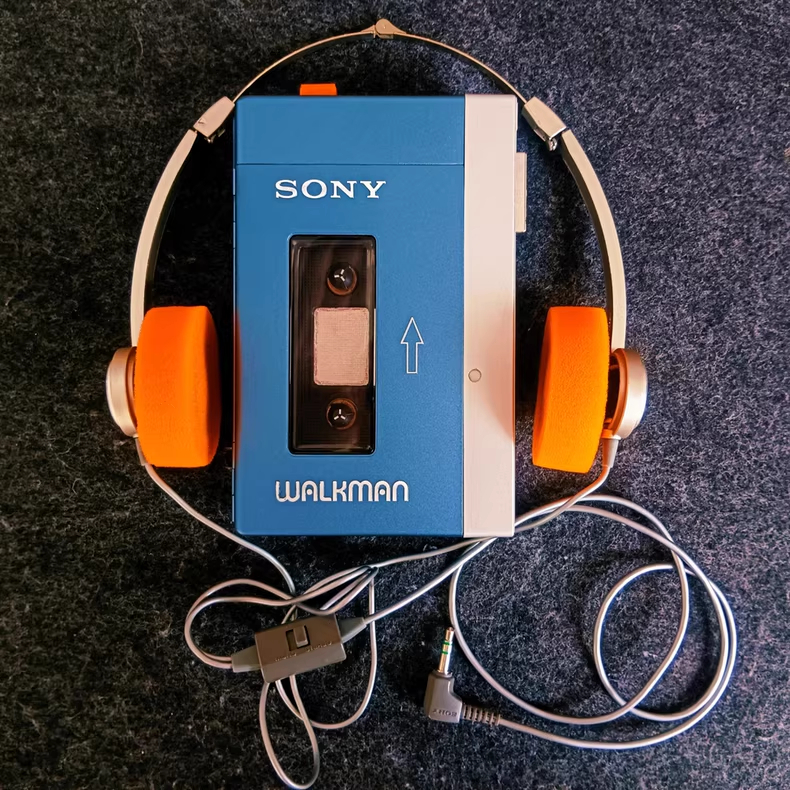
To understand the economic and cultural significance of Sony’s latest hardware play, one must revisit the late 1970s. When Sony introduced the TPS-L2 Walkman in 1979, the accompanying lightweight, open-air dynamic headphones fundamentally altered human behavior. For the first time, music was portable, privatized, and decoupled from the living room. Those iconic orange-foam-padded, steel-band headphones became a global design archetype.
Fast forward nearly half a century. The contemporary audio landscape is saturated with active noise cancellation (ANC), high-resolution Bluetooth codecs, and computational audio processing. Against this backdrop, reissuing a 1970s acoustic design might appear counterintuitive. However, Sony’s acoustic engineering division has executed a careful balancing act: preserving the exact visual DNA, lightweight ergonomics, and signature foam aesthetic of the original while completely overhauling the internal transducer architecture.
Modern listeners are greeted with upgraded neodymium drivers, modern oxygen-free copper (OFC) cabling, and materials compliant with contemporary environmental standards. This hybrid approach delivers the elusive "warm" analog aesthetic prized by vinyl collectors and vintage enthusiasts, while meeting the frequency response expectations of modern lossless digital streaming formats.
Market Dynamics and Consumer Discretionary Positioning
From an enterprise strategy perspective, the decision to price these heritage headphones aggressively reflects a keen awareness of current macroeconomic pressures. With consumer discretionary budgets tightened by persistent inflation and elevated borrowing costs, premium lifestyle tech brands face intense pricing resistance. By avoiding the temptation to market these as an ultra-exclusive, low-volume collector’s item, Sony has unlocked a much wider total addressable market (TAM).
| Specification / Metric | Original 1979 Walkman Headphones | Modern 2024/2025 Reissue |
|---|---|---|
| Primary Target Market | Pioneering mobile cassette users | Gen Z retro enthusiasts & audiophiles |
| Acoustic Architecture | Standard dynamic drivers (circa 1979) | Tuned modern neodymium drivers |
| Build & Materials | Stamped steel, basic foam | Lightweight alloy, durable polyurethane foam |
| Market Positioning | Cutting-edge luxury tech innovation | Accessible heritage lifestyle accessory |
This pricing strategy directly impacts competitors in the lifestyle audio segment. While brands like Koss and Sennheiser have similarly mined their back catalogs for retro offerings, Sony’s global supply chain efficiency and massive retail distribution footprint allow them to achieve economies of scale that smaller boutique audio firms cannot easily match. The result is a product that exerts downward pricing pressure on rival heritage drops, democratizing high-style analog nostalgia.
Industry Implications: Who Wins and Who Loses?
The successful rollout of this hardware carries significant implications across the consumer electronics ecosystem:
- Winner: Sony’s Brand Equity and Accessory Margins. By bridging generations, Sony reinforces its reputation as a cultural touchstone. The halo effect spills over into its flagship wireless headphone and high-res audio player lineups.
- Winner: The Analog Revival Movement. Vinyl record labels, cassette tape manufacturers, and boutique hardware makers benefit immensely from mainstream validation by a titan like Sony.
- Loser: Speculative Resellers. Because Sony has committed to a robust manufacturing volume rather than an artificial scarcity drop, scalpers attempting to flip the headphones at exorbitant collector markups face severe market liquidity risks.
- Neutral: Pure-Play ANC Headphone Brands. Brands heavily reliant on active noise-canceling software features face a stylistic counter-trend, though the core utility of their products remains distinct.
Frequently Asked Questions (People Also Ask)
Are these revived 1979 Walkman headphones wireless or wired?
Staying true to their vintage heritage while accommodating modern practicalities, these headphones utilize a traditional wired connection, making them fully compatible with modern smartphones via dongles, portable DACs, and legacy hardware alike.
How does the sound quality compare to modern noise-canceling headphones?
Unlike modern closed-back ANC headphones that isolate the listener completely, these feature an open-air acoustic design. This delivers a wider, more natural soundstage reminiscent of the era, though they do not block out ambient urban noise.
What is the official retail price point?
While premium audio brands often charge steep premiums for vintage reissues, Sony has positioned this product at a surprisingly affordable entry-level tier, making it accessible to everyday consumers and casual collectors.
Are these headphones a limited-edition release or a permanent catalog addition?
Industry indicators and distribution plans suggest Sony views this as a scalable consumer product rather than a fleeting, ultra-limited drop, ensuring steady supply across major global tech retailers.
Future Outlook and Strategic Milestones
As consumer technology continues to grapple with saturation and digital fatigue, the appetite for tangible, analog experiences is projected to expand. Sony’s aggressive pricing and faithful execution of the 1979 Walkman headphones provide a blueprint for how legacy hardware giants can mine their archives without alienating modern budgets.
Industry watchers should monitor upcoming quarterly earnings reports for metrics regarding accessory division growth and consumer demographics. If this launch achieves the projected volume milestones, expect Sony—and its competitors—to accelerate capital allocation toward heritage product revivals, reshaping the consumer electronics landscape for the remainder of the decade.