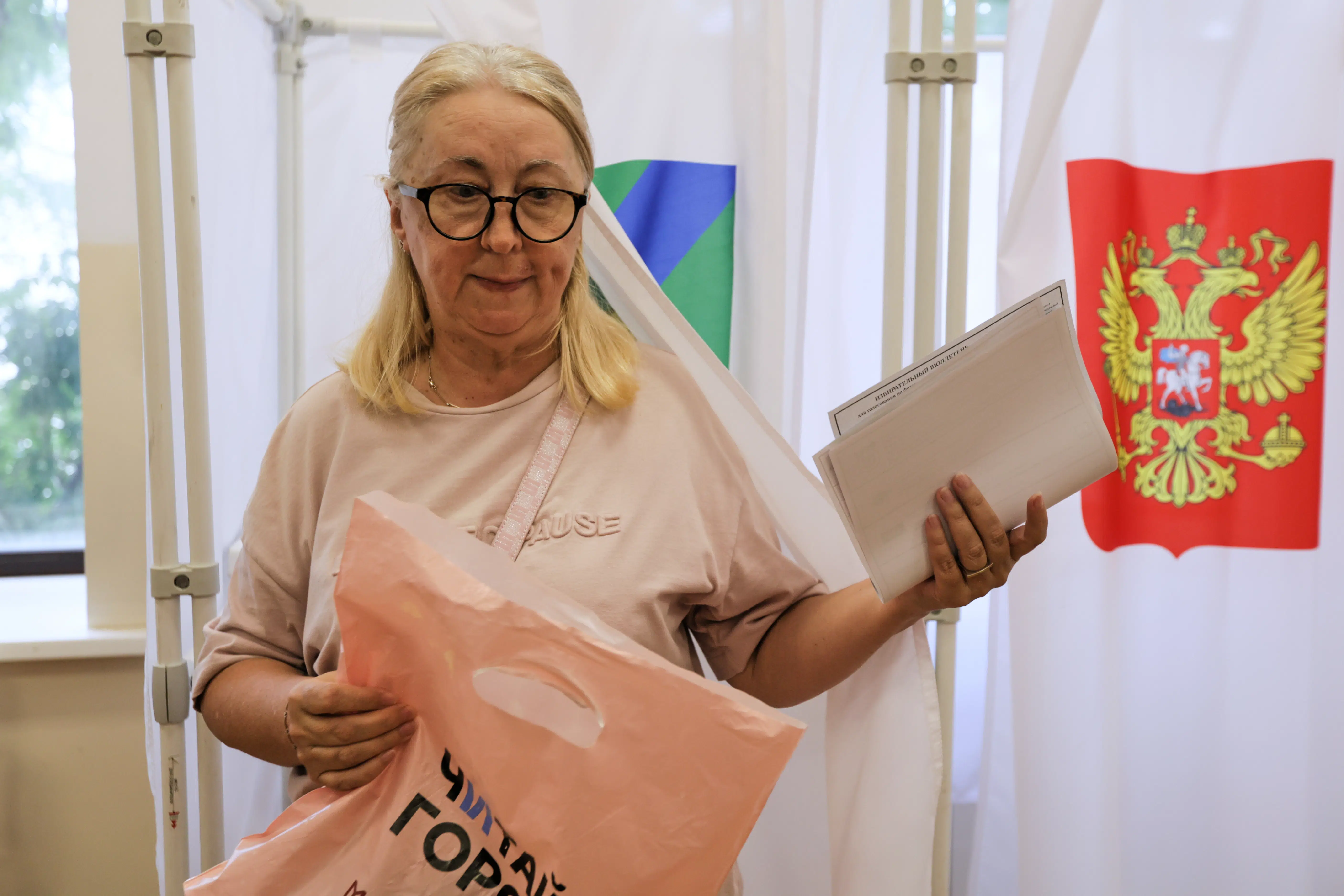
The Kremlin’s Iron Grip: Russia Launches Three-Day Election Engineered to Cement Putin's Absolute Power
Russians have begun casting ballots in a highly choreographed, three-day parliamentary election that political analysts and international observers describe as a crucial step in cementing the Kremlin's absolute legislative control. The nationwide vote, spanning eleven time zones from the Pacific to the Baltic Sea, is widely seen as a managed exercise designed to secure a comfortable supermajority for the ruling United Russia party, further insulating President Vladimir Putin's administration from domestic dissent and geopolitical pressure.
Amidst an unprecedented crackdown on systemic opposition, independent media, and civil society, the election marks a critical juncture for Russia’s domestic political landscape. For the Kremlin, the stakes are exceptionally high: maintaining a two-thirds majority in the 450-seat State Duma (the lower house of parliament) is essential to passing constitutional amendments and enacting sweeping legislative agendas without resistance.
Executive Summary: What You Need to Know
- The Event: A three-day national election to fill all 450 seats in the Russian State Duma.
- The Timeline: Voting commenced on Friday morning and will conclude on Sunday evening, a multi-day format officially introduced to manage health risks but criticized by watchdogs as highly vulnerable to manipulation.
- The Objective: To secure a constitutional supermajority (300+ seats) for the pro-Kremlin United Russia party, despite flagging domestic popularity due to inflation and pension reforms.
- The Opposition: Prominent opposition figures have been systematically barred from running, jailed, or forced into exile, leaving the field dominated by the ruling party and a handful of Kremlin-approved "systemic" opposition parties.
- The Innovation: Widespread deployment of Remote Electronic Voting (REV) in key metropolitan areas, including Moscow, which critics argue lacks transparent auditing mechanisms.
The Mechanics of Managed Democracy
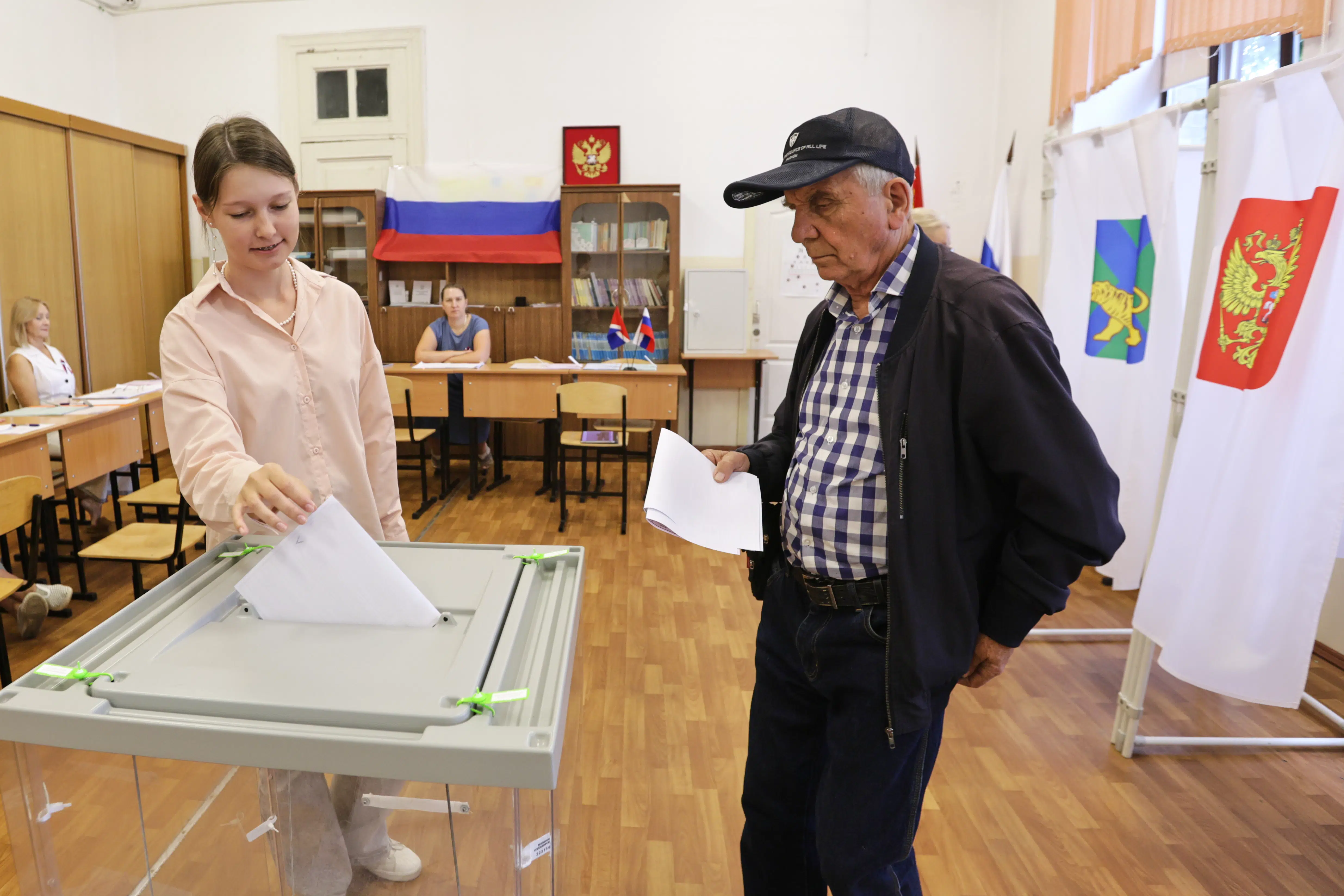
In the lead-up to the polls, the Russian electoral commission implemented several structural changes that critics argue are designed to maximize the ruling party’s advantage. Chief among these is the expansion of the voting window to three days. While state officials defend the move as a public health measure to prevent overcrowding at polling stations, independent election monitors, including the prominent watchdog group Golos, argue that overnight storage of paper ballots poses severe security risks and compromises the integrity of the vote.
Furthermore, the introduction of online voting in key regions has sparked intense debate. In metropolitan centers like Moscow and St. Petersburg, where anti-Kremlin sentiment historically runs higher, online voting systems allow state-employed workers—a core constituency for the regime—to cast ballots under the subtle supervision of employers. Independent analysts warn that these electronic tallies are virtually impossible for independent observers to verify in real-time.
Eliminating the Alternative
The ballot features dozens of candidates, yet the political spectrum permitted to participate remains tightly restricted. Following a series of legislative maneuvers, organizations associated with jailed opposition leader Alexei Navalny were declared "extremist," effectively disqualifying hundreds of viable opposition candidates from seeking office. The remaining contenders represent the "systemic opposition"—parties like the Communist Party and the Liberal Democratic Party (LDPR)—which frequently criticize local governance but ultimately align with President Putin on major foreign policy and national security decisions.
"What we are witnessing is not a competitive election in the traditional sense, but a high-stakes administrative operation," said a senior European diplomatic source based in Moscow. "The goal is to manufacture a veneer of democratic legitimacy while ensuring that the legislature remains entirely subservient to executive authority."
Key Metrics: The Russian State Duma Landscape
To understand the current political layout, the table below outlines the composition of the State Duma prior to the current voting cycle, highlighting the dominant position of the ruling party.
| Political Party | Ideological Alignment | Pre-Election Seats (out of 450) | Percentage of Seats Held |
|---|---|---|---|
| United Russia | Pro-Putin / Catch-all | 336 | 74.7% |
| Communist Party (KPRF) | Left-wing / Systemic Opposition | 43 | 9.5% |
| Just Russia - For Truth | Social Democracy / Pro-Kremlin | 23 | 5.1% |
| Liberal Democratic Party (LDPR) | Right-wing Nationalist | 21 | 4.7% |
| Independents & New People | Various / Unaligned | 27 | 6.0% |
Economic and Geopolitical Stakes
From an economic perspective, the outcome of this election will directly shape Russia's fiscal trajectory. A compliant Duma ensures the seamless passage of national budgets focused heavily on defense spending, import substitution, and social payouts aimed at tempering domestic dissatisfaction. For global markets and multinational corporations still operating in or adjacent to the Russian sphere, the vote signals absolute policy continuity.
The Russian rouble has remained relatively stable in the lead-up to the vote, as market participants have already priced in a United Russia victory. However, foreign policy strategists warn that a consolidated domestic front will likely embolden the Kremlin’s assertive stance toward Western sanctions, energy exports, and regional security arrangements in Eastern Europe and Central Asia.
The Road to the Future
As the polling stations close over the weekend, the focus will rapidly shift to the official tallies. Independent monitoring groups face steep uphill battles, as the Kremlin has restricted live webcasts from polling places and limited the number of accredited journalists allowed inside. Nevertheless, the scale of domestic resistance—manifested through tactical voting strategies and localized protests—will serve as a barometer for the underlying tensions within Russian society.
Ultimately, this three-day exercise is less about who wins, and more about how the state manages the transition of power into the next decade. By securing the legislative branch, the Kremlin ensures that the institutional architecture of the state remains entirely under the control of Vladimir Putin and his inner circle, regardless of the geopolitical winds blowing from the West.
Frequently Asked Questions
Why is the Russian election held over three days instead of one?
The Russian Central Election Commission officially introduced the three-day voting period to reduce crowding at polling stations and protect public health. However, independent political analysts and election monitors argue that the extended timeframe makes it significantly harder to monitor ballot boxes overnight, thereby increasing the potential for administrative interference and ballot box stuffing.
What is "Smart Voting" and how does it affect the election?
Smart Voting is a tactical voting strategy devised by Alexei Navalny’s team. It directs voters to cast their ballots for whichever candidate is most likely to defeat the ruling United Russia party candidate in any given district, regardless of that candidate's political affiliation. In response, the Russian government has aggressively blocked websites, mobile apps, and search results associated with the campaign, citing foreign interference and extremist affiliation.