Executive Takeaways
- Convergence of Eras: Pinball Expo 2026 uniquely integrates 1970s electromechanical restoration with next-generation spatial computing and generative AI diagnostics on a single 250,000-square-foot show floor.
- Tokenized Assetization: Commercial operators are increasingly utilizing blockchain-backed registry systems and fractionalized equipment ownership to drive predictable asset liquidity and improve enterprise ROI across global arcades.
- Supply Chain Resilience: Following post-pandemic logistics volatility, Tier-1 manufacturers have re-engineered domestic sourcing channels, mitigating margin compression and stabilizing hardware valuation multiples.
- Data-Driven Gameplay: Modern cabinets now feature edge-computing nodes that stream real-time telemetry, telemetry-driven balancing, and predictive maintenance metrics directly to cloud-based operator dashboards.
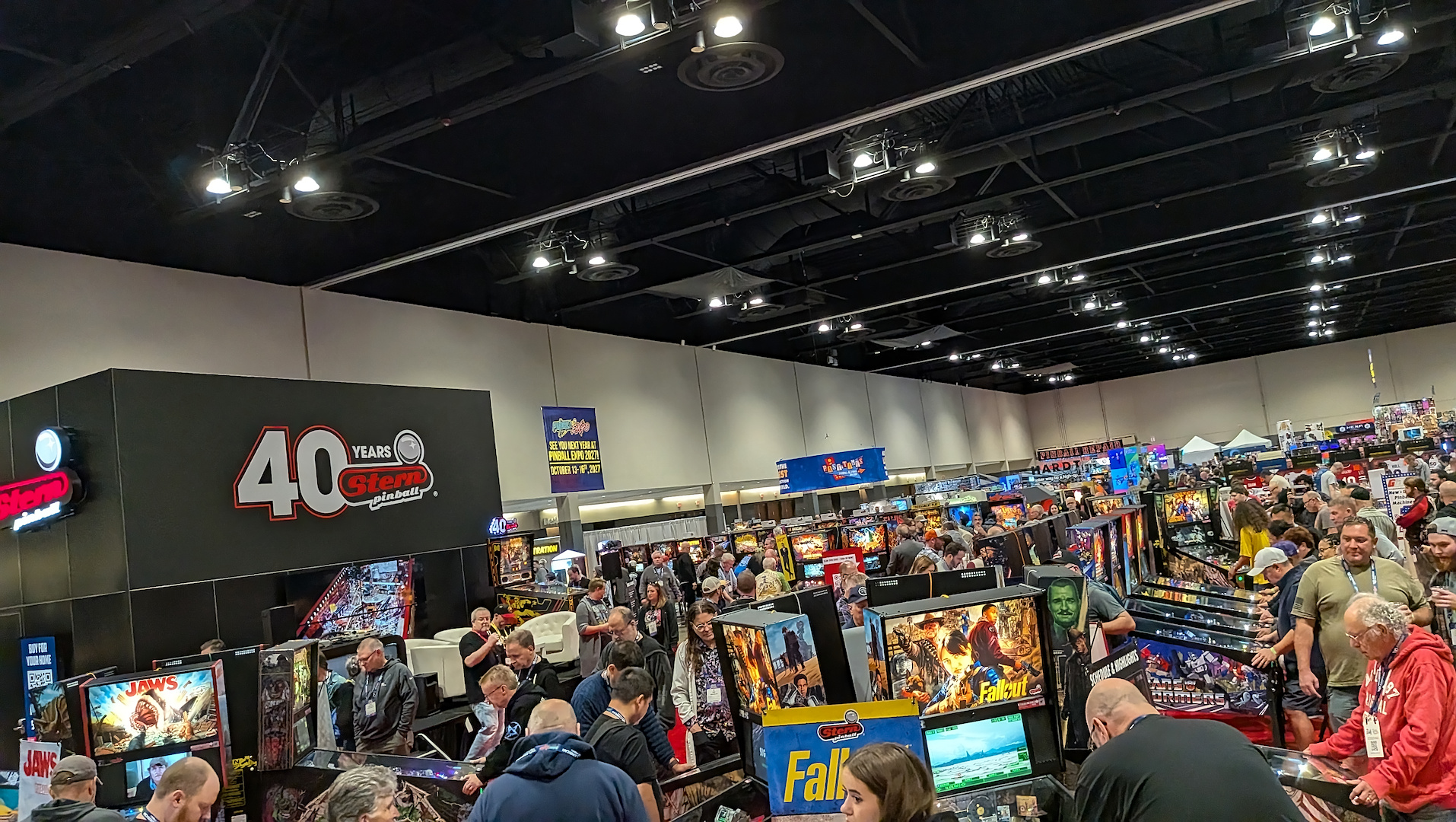
CHICAGO — The persistent, rhythmic clatter of steel balls striking polyurethane bumpers echoes across a massive, climate-controlled convention hall, but beneath the familiar acoustic symphony of the arcade lies an invisible hum of modern enterprise infrastructure. At Pinball Expo 2026, the past, present, and future do not merely coexist—they are inextricably bound in a high-stakes commercial ecosystem where nostalgic preservation meets aggressive venture capital and advanced machine learning.
For decades, the silverball industry was dismissed by Wall Street as a cyclical novelty, a relic of pre-digital entertainment vulnerable to macroeconomic headwinds and shifting consumer discretionary spending. Yet, as institutional capital searches for alternative asset classes with high cash-flow visibility and sticky consumer engagement, the global coin-op and premium home-market manufacturing sectors have undergone a profound structural metamorphosis. Today’s exposition floor serves as a micro-economy: a physical testing ground where artisanal cabinet builders pitch side-by-side with publicly traded tech conglomerates and private equity sponsors evaluating their next portfolio roll-up.
The Historical Trajectory: From Electromechanical Curiosities to Solid-State Giants
To understand the current valuation metrics of the modern pinball industry, one must trace its evolution from the electromechanical (EM) marvels of the mid-20th century to the microprocessor-driven powerhouses of the 1990s. Historical context reveals an industry that has survived multiple extinction-level events—from the post-war legislative crackdowns on gambling machines to the home-console video game revolution of the early 1980s.
In the vintage aisles of the 2026 exhibition floor, historians and restoration specialists showcase pristine 1970s Bally and Gottlieb machines. These units, characterized by mechanical scoring reels, brass relay switches, and analog chime boxes, represent a bygone era of pure mechanical engineering. They serve as a baseline for the industry's manufacturing heritage, illustrating an era when capital expenditure was tied heavily to raw foundry work, wiring harnesses, and manual cabinet carpentry.
The paradigm shifted dramatically in the late 1970s and 1980s with the introduction of solid-state electronics, culminating in the dot-matrix display (DMD) golden age of the 1990s led by companies like Williams Electronics and Data East. This transition introduced system architectures powered by microprocessors, transforming pinball cabinets from purely mechanical contraptions into early embedded computing devices. However, the dot-com boom and the proliferation of high-fidelity home gaming eventually collapsed the commercial arcade infrastructure, forcing a protracted winter for commercial pinball manufacturing that lasted well into the 2000s.
The Catalytic Turning Point: Post-Pandemic Social Entertainment and Boutique Manufacturing
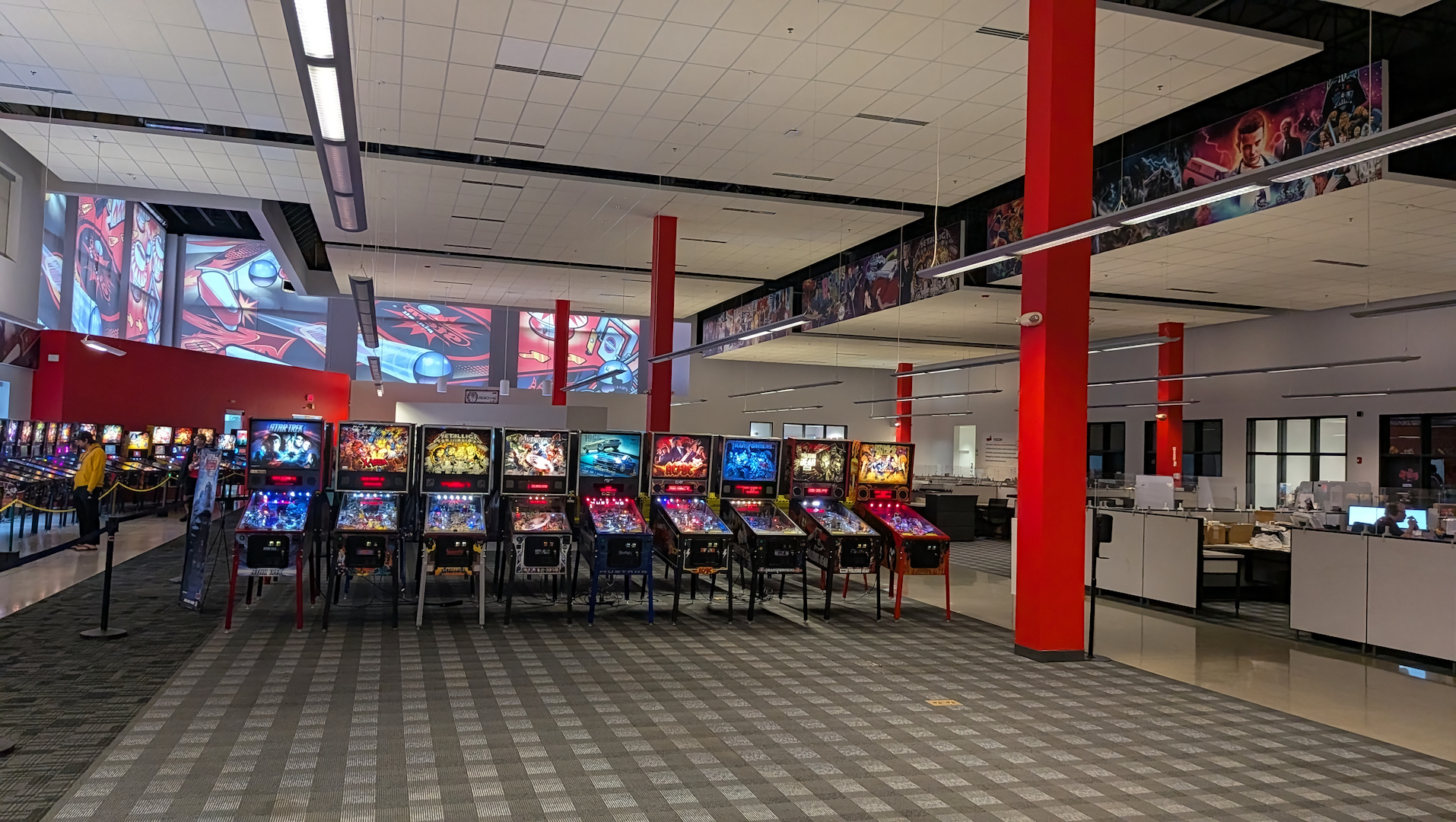
The modern renaissance of the medium was catalyzed by a confluence of post-pandemic consumer behavior and structural shifts in urban commercial real estate. As traditional brick-and-mortar retail faced persistent vacancy crises, landlords actively courted experiential entertainment concepts—such as barcades, competitive social gaming venues, and premium family entertainment centers—to drive foot traffic.
This macro trend provided boutique manufacturers like Stern Pinball, American Pinball, Jersey Jack Pinball, and Chicago Gaming Company with unprecedented market liquidity. Private equity firms and private wealth syndicates recognized that premium pinball machines offered a unique convergence of durable consumer goods and high-margin location-based entertainment (LBE) revenue generation. Unlike traditional arcade video cabinets that suffer rapid technological depreciation, physical pinball machines have historically demonstrated exceptional residual value and, in many cases, significant appreciation.
Furthermore, supply chain re-engineering has become a central focus for executive leadership teams navigating the post-2020 landscape. Faced with severe logistics bottlenecks and microchip shortages earlier in the decade, manufacturers invested heavily in domestic supply chain resilience, nearshoring critical component fabrication, and optimizing cloud-connected manufacturing execution systems (MES). The result is an operational framework characterized by enhanced risk mitigation, reduced inventory holding costs, and accelerated time-to-market for licensed pop-culture titles ranging from classic rock bands to blockbuster cinematic franchises.
The Technical Frontier: Edge Compute, Generative AI, and Telemetry
Step past the rows of vintage woodrails and solid-state classics at Pinball Expo 2026, and you enter the bleeding edge of interactive entertainment engineering. Modern tournament-grade cabinets are no longer mere mechanical toys; they are sophisticated IoT endpoints equipped with robust cloud compute architecture and local edge processing.
Manufacturers have integrated high-definition liquid crystal displays (LCDs) into the backglass, driven by powerful graphics processing units (GPUs) capable of rendering real-time 3D graphics, dynamic scoreboards, and interactive narrative cutscenes synchronized with the physical gameplay. More critically, operators are leveraging advanced telemetry platforms that monitor machine health in real time.
- Predictive Maintenance: Embedded sensors track flipper coil temperature, switch actuation frequency, and ball-gate wear, transmitting automated service alerts to operator dashboards to minimize facility downtime.
- Dynamic Balancing: Machine learning algorithms analyze player scoring data across global connected networks to dynamically adjust game rules, code parameters, and difficulty curves, maximizing player retention and coin-drop velocity.
- Generative Audio-Visual Assets: Developers are beginning to utilize proprietary generative AI models to create procedural soundscapes and reactive light-show patterns, drastically reducing asset creation timelines for new game releases.
| Era / Generation | Core Technology Stack | Primary Asset Valuation Model | Operator Infrastructure & Telemetry |
|---|---|---|---|
| Electromechanical (1950s–1970s) | Relay switches, stepper units, mechanical score reels, copper wiring. | Aesthetic preservation, historical scarcity, antique auction multiples. | Manual mechanical servicing, analog coin counters. |
| Solid-State / DMD (1980s–1990s) | Microprocessors (6809/ARM early variants), dot-matrix displays, sound boards. | Nostalgia-driven secondary market liquidity, collector demand. | Basic diagnostic menus, solid-state board repair benches. |
| Modern Connected (2020–Present) | Embedded Linux/Android nodes, GPUs, IoT sensors, cloud telemetry. | Fractionalized asset ownership, predictable LBE cash-flow yield. | Real-time cloud dashboards, automated predictive maintenance alerts. |
Industry & Market Implications: Winners, Losers, and Economic Realities
The maturation of the pinball ecosystem into a sophisticated commercial asset class carries profound economic implications for stakeholders across the entertainment and manufacturing value chains.
The Winners: Boutique manufacturers who have successfully integrated software-as-a-service (SaaS) elements—such as connected player accounts, global leaderboards, and downloadable code updates—are capturing higher valuation multiples from institutional investors. Additionally, enterprise-scale commercial operators of competitive social venues are benefiting from diversified revenue streams, combining high-margin food and beverage sales with recurring digital tournament fees.
The Losers: Independent mom-and-pop arcades operating on thin margins face acute capital expenditure pressures. As modern LE (Limited Edition) and Premium home/commercial cabinets routinely cross pricing thresholds well in excess of $10,000, equipment amortization schedules require rigorous financial modeling. Operators lacking sophisticated capital allocation strategies or telemetry-driven maintenance plans face accelerated hardware depreciation and costly downtime.
From a macroeconomic perspective, the industry serves as a fascinating case study in resilient niche manufacturing. By successfully insulating themselves against pure digital saturation through tactile, physical engagement, pinball manufacturers have proven that consumer demand for tangible, high-craftsmanship entertainment remains robust, even in an increasingly virtualized global economy.
Frequently Asked Questions (People Also Ask)
How are modern commercial pinball machines integrated into enterprise arcade management systems?
Modern cabinets feature embedded IoT hardware and edge-computing nodes that connect directly to cloud-based operator portals via Wi-Fi or cellular gateways. These systems track coin-drop velocity, credit usage, gameplay duration, and automated diagnostic alerts in real time, allowing multi-unit venue operators to optimize floor layouts and schedule predictive maintenance before mechanical failures occur.
What drives the valuation multiples of collectible and new-release pinball machines?
Valuation is primarily dictated by manufacturing run scarcity, intellectual property (IP) licensing strength (e.g., major film or music franchises), physical feature complexity, and secondary market liquidity. Limited Edition (LE) models with serialized plaques and upgraded mechanical toys historically command significant appreciation premiums among private collectors and alternative asset investors.
How have supply chain strategies evolved for major pinball manufacturers post-2020?
Tier-1 manufacturers have aggressively pursued supply chain resilience by nearshoring raw material sourcing, diversifying microchip suppliers, and implementing localized fabrication for wood cabinetry and playfield assemblies. This mitigates margin compression from overseas shipping volatility and ensures predictable manufacturing execution timelines.
Are pinball machines viewed as viable alternative assets for institutional or private equity portfolios?
While not traded on public equity exchanges, commercial pinball fleets within expanding location-based entertainment (LBE) roll-ups are increasingly evaluated by private equity sponsors for their reliable cash-flow yields, low correlation with traditional financial markets, and strong residual asset values.
Future Outlook: Strategic Milestones to Watch Through 2030
Looking ahead, the trajectory of the pinball industry will be shaped by several critical technological and financial milestones. Over the next three to five years, industry analysts anticipate deeper integration of spatial computing interfaces, augmented reality (AR) spectator overlays for global esports tournaments, and standardized blockchain-based provenance registries to authenticate high-value vintage and limited-edition machines.
For executive leadership teams, capital allocators, and enterprise operators, the mandate is clear: the intersection of tactile nostalgia and advanced digital infrastructure is no longer an experiment—it is the baseline for commercial viability. As Pinball Expo 2026 demonstrates, the silverball has secured its place not just as a cultural artifact of the past, but as a resilient, high-yield asset class primed for the future.