INVESTIGATIVE DESK — In the high-stakes theater of global mobile hardware, brand rebirths are rarely subtle. For years, Motorola—now operating under the corporate umbrella of Chinese tech giant Lenovo—has carved out a lucrative, high-volume niche by leaning heavily into nostalgic revivals of iconic foldable architectures and aggressively priced mid-range workhorses. Yet, beneath the veneer of volume-driven market share, a fundamental strategic pivot has been quietly engineered within the executive suites of Chicago. Motorola is no longer content playing in the sandbox of margin-compressed affordability. With the impending global rollout of its $1,600 "Signature" smartphone, the brand is executing a calculated, high-risk assault on the ultra-premium tier long dominated by Apple’s iPhone Pro Max and Samsung’s Galaxy Ultra lines.
This aggressive push past the $1,500 psychological pricing barrier represents more than a mere spec-sheet arms race; it is a profound test of enterprise brand equity, pricing power, and market liquidity in an era of prolonged consumer hardware replacement cycles. As macroeconomic headwinds constrain discretionary capital allocation, Motorola’s daring entry into luxury mobile computing forces a critical valuation question: Can a brand historically synonymous with the affordable Razr flip and the ubiquitous Moto G successfully transition its enterprise positioning to court affluent, status-driven consumers without sacrificing its core operational identity?
Executive Takeaways
- The Ultra-Premium Threshold: Motorola is officially breaking into the $1,600 tier with the "Signature" series, a direct challenge to Apple and Samsung’s flagship dominance.
- Strategic Capital Allocation: Backed by Lenovo, this hardware offensive prioritizes margin expansion over unit-volume growth, shifting focus toward high-end component integration and luxury tiering.
- Enterprise & Consumer Convergence: The device integrates advanced security protocols and enterprise-grade infrastructure compatibility, targeting high-net-worth professionals alongside traditional tech enthusiasts.
- Market Disruption & Risk: While the move promises improved valuation multiples and profitability, it carries significant brand-dilution risks and requires navigating entrenched ecosystem loyalty.
The Catalytic Shift: Anatomy of Motorola’s Upmarket Ambitions
Test Our Free AI & Tech Utilities Suite
Calculate LLM API token costs, analyze article dwell-time, or simulate tech DCA returns.
To understand the strategic genesis of the $1,600 Motorola Signature, one must examine the broader macroeconomic and structural pressures reshaping the global smartphone ecosystem. For the better part of the last decade, the sub-$500 and mid-tier smartphone segments have suffered from severe commoditization. Diminishing marginal returns on silicon performance, combined with lengthened consumer upgrade cycles, have compressed margins across the industry. Brands relying solely on volume have faced acute margin compression, forcing management teams to re-evaluate their product architecture and capital allocation strategies.
Lenovo’s executive leadership recognized early that long-term enterprise valuation and market durability hinged on escaping this low-margin trap. While Motorola successfully captured substantial market share in Latin America, North America, and parts of Europe through its value-driven portfolio, its brand equity at the top of the pyramid remained underutilized. The success of the foldable Razr line served as a crucial proving ground, demonstrating that consumers were willing to pay premium prices for Motorola hardware if the form factor delivered genuine novelty and high-end aesthetic appeal.
The $1,600 Signature phone, however, abandons experimental novelty in favor of uncompromised, mainstream ultra-premium execution. Industry insiders note that the development cycle for the Signature series involved rigorous risk mitigation, focusing heavily on premium materials, bespoke partnership integrations, and high-yield supply chain agreements. By targeting the upper echelon of the market, Motorola aims to capture the high-end consumer discretionary spend that historically flows almost exclusively to Cupertino and Seoul.
Engineering Luxury: Under the Hood of the Signature Series
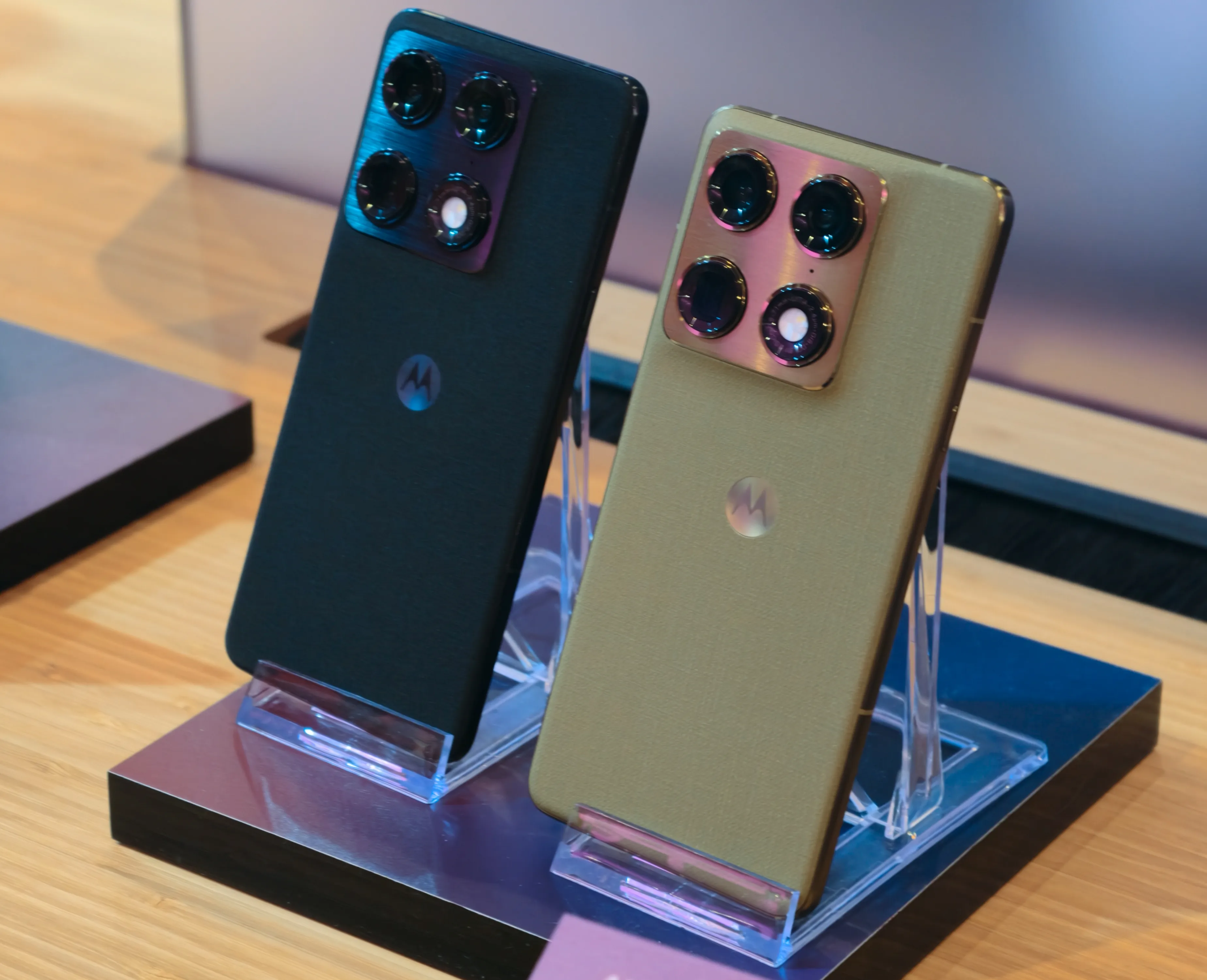
Commanding a $1,600 price point requires more than clever marketing; it demands a bill of materials (BOM) and an industrial design language that justifies the expenditure to discerning enterprise and consumer buyers alike. According to supply chain intelligence and leaked regulatory filings, the Motorola Signature does not skimp on bleeding-edge infrastructure.
At its computational core, the device leverages the latest enterprise-grade silicon architecture, optimized for localized artificial intelligence processing, energy efficiency, and low-latency cloud compute interaction. This ensures seamless enterprise ROI for mobile professionals who rely on real-time data analysis, secure video conferencing, and heavy multitasking on the go. Furthermore, the thermal dissipation architecture has been entirely re-engineered, utilizing advanced vapor-chamber cooling matrices derived from gaming hardware to sustain peak performance during intensive computational workloads.
From an optical standpoint, Motorola has partnered with legendary imaging houses to engineer a bespoke camera suite featuring large-format sensors, variable aperture mechanics, and computational photography algorithms designed to rival dedicated DSLR systems. The display technology matches this ambition: an LTPO AMOLED panel boasting adaptive refresh rates up to 144Hz, peak brightness figures that exceed 2,500 nits, and color calibration standards tailored for professional content creators.
Crucially, enterprise security remains a foundational pillar. The Signature incorporates hardware-backed cryptographic enclaves, zero-trust firmware verification, and deep integration with enterprise mobility management (EMM) platforms. This robust regulatory compliance and data protection framework ensures the device appeals directly to corporate IT departments seeking ultra-secure endpoints for C-suite executives.
Verified Data & Metrics Breakdown
The following comparative matrix outlines how Motorola’s new ultra-premium flagship stacks up against established market incumbents in key performance, pricing, and structural metrics:
| Metric / Feature | Motorola Signature | Apple iPhone 15/16 Pro Max | Samsung Galaxy S24 Ultra |
|---|---|---|---|
| Base Launch Price | $1,600 USD | $1,199 - $1,599 USD | $1,299 - $1,659 USD |
| Target Demographic | Affluent Professionals & Enterprise C-Suite | Global Mass-Affluent & Ecosystem Loyalists | Power Users, Tech Enthusiasts, & S-Pen Loyalists |
| Primary Materiality | Ceramic-infused Glass & Titanium Chassis | Grade 5 Titanium & Ceramic Shield | Titanium Frame & Gorilla Armor |
| AI & Compute Integration | On-device LLM + Cloud Hybrid Architecture | Apple Intelligence (Localized Neural Engine) | Galaxy AI (On-device & Cloud Processing) |
| Strategic Focus | Margin Expansion & Brand Elevation | Ecosystem Lock-in & Services Revenue | Hardware Versatility & Productivity Dominance |
Industry & Market Implications: Winners, Losers, and Economic Realities
The introduction of a $1,600 Motorola flagship sends immediate shockwaves through the global handset ecosystem. The market dynamics unleashed by this release will be closely watched by institutional investors, telecommunications carriers, and competing OEMs.
Who Wins?
- Motorola / Lenovo Shareholders: Successful execution will drive average selling price (ASP) expansion, directly boosting hardware gross margins and improving overall corporate valuation multiples.
- Enterprise IT & Security Directors: Executives gain a compelling alternative to iOS and standard Galaxy deployments, offering high-end performance backed by rigorous enterprise-grade security compliance.
- Consumer Choice: A revitalized ultra-premium competitor breaks the Apple-Samsung duopoly, encouraging faster innovation cycles and more aggressive retail trade-in promotions across the industry.
Who Loses?
- Incumbent Flagship OEMs: Apple and Samsung face a new, credible challenger in a profit-rich segment that has historically required minimal defensive positioning.
- Mid-Tier Competitors: Brands trapped in the $600-$900 bracket risk further erosion of their perceived value if consumers increasingly bifurcate between ultra-premium status symbols and ultra-affordable utility devices.
From a macroeconomic perspective, launching a luxury device during a period of cautious consumer spending is a bold bet. However, financial analysts note that high-net-worth consumer segments remain remarkably resilient to inflationary pressures. By targeting this insulated demographic, Motorola is strategically insulating its top-line revenue from broader consumer belt-tightening.
Frequently Asked Questions (People Also Ask)
Why is Motorola releasing a $1,600 phone when it is known for budget devices?
Motorola’s parent company, Lenovo, is aggressively executing a margin-expansion strategy. While budget and mid-range devices drive unit volume, the ultra-premium tier generates the lion's share of industry profits. The $1,600 Signature phone allows Motorola to elevate its brand equity, capture high-margin revenue from affluent consumers, and compete directly with Apple and Samsung at the top of the market.
How does the Motorola Signature compare to the iPhone Pro Max and Galaxy Ultra?
The Signature matches or exceeds its primary competitors in core hardware specifications, offering advanced titanium-and-ceramic build quality, top-tier LTPO display technology, bespoke optical imaging partnerships, and robust enterprise-grade security. Its pricing directly mirrors the highest-capacity storage tiers of the iPhone Pro Max and Galaxy Ultra.
Will the Motorola Signature support enterprise-grade security and management?
Yes. Recognizing the lucrative enterprise market, Motorola has engineered the Signature with hardware-backed cryptographic security, zero-trust firmware verification, and deep compatibility with major Enterprise Mobility Management (EMM) systems, making it a viable corporate deployment for C-suite executives.
How will carrier distribution affect the success of the Signature phone?
Carrier partnerships and aggressive promotional subsidies will be critical. Because consumers rarely purchase $1,600 devices outright without trade-in incentives or monthly financing plans, securing prominent placement and attractive installment terms across major global tier-1 carriers is a prerequisite for commercial viability.
Future Outlook: Milestones to Watch
As Motorola prepares for the global commercial rollout of the Signature series, industry watchers and financial analysts will monitor several critical performance indicators over the next twelve to twenty-four months.
First, initial sell-through rates and retail inventory velocity in key North American and Western European markets will determine whether consumer demand validates the $1,600 price point. Second, tracking average selling price (ASP) metrics in Lenovo’s subsequent quarterly earnings reports will reveal the immediate impact on hardware gross margins.
Ultimately, the Motorola Signature is more than a single product launch—it is a litmus test for brand transformation. If Motorola successfully claims a permanent foothold in the luxury smartphone echelon, it will rewrite the playbook for legacy brands attempting to climb out of the commodity trap. For an industry weary of incremental upgrades, Motorola’s audacious gamble injects much-needed volatility and ambition into the global mobile landscape.