
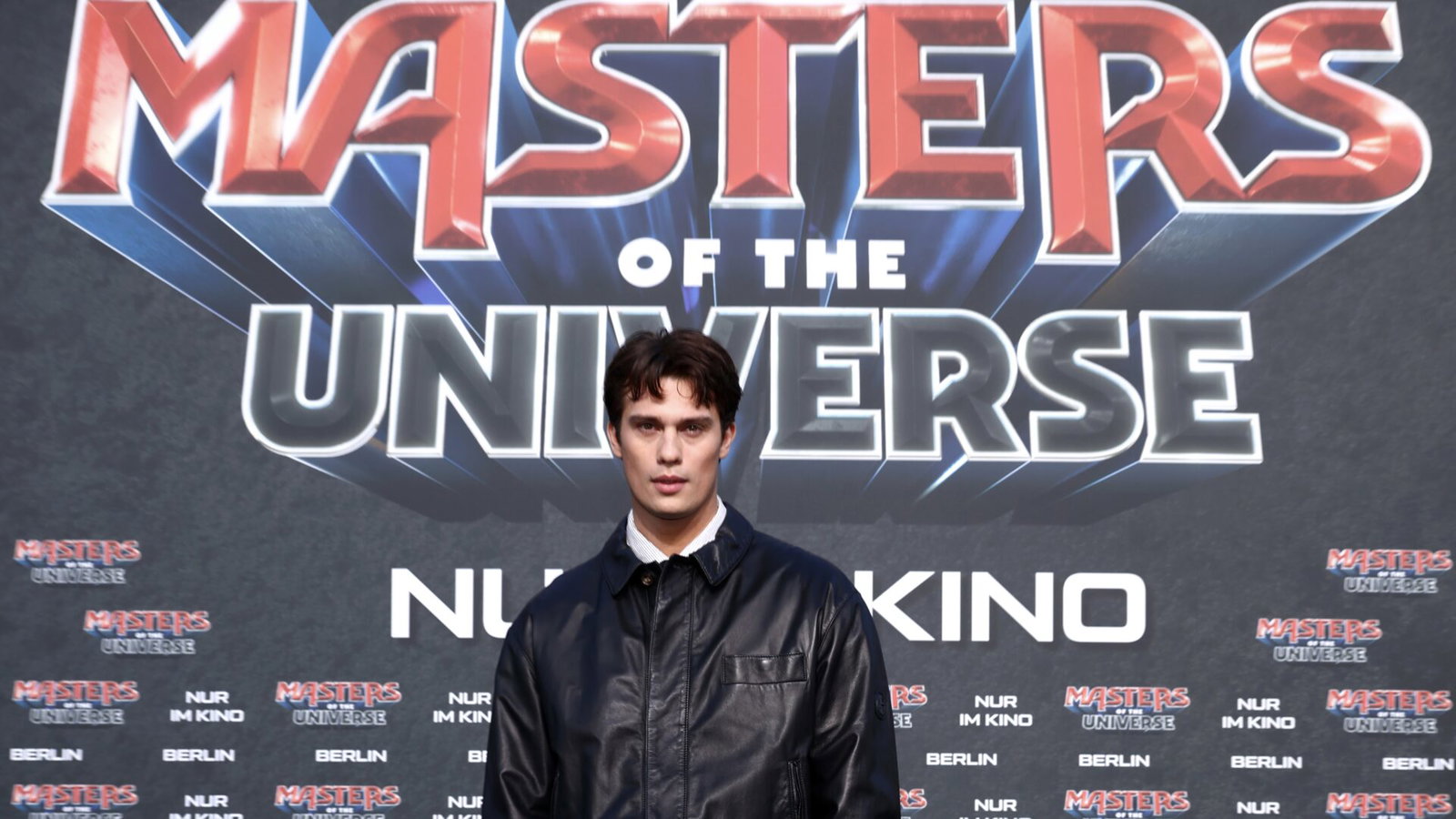
LOS ANGELES & NEW YORK — In the volatile landscape of modern Hollywood, the line between a multi-million-dollar write-down and a cultural phenomenon has never been thinner. Just months after its theatrical release was declared dead on arrival, the live-action sci-fi fantasy epic Masters of the Universe has pulled off one of the most dramatic turnarounds in modern entertainment history, dominating the global streaming charts and forcing a radical re-evaluation of how studios measure the lifetime value of intellectual property.
According to primary tracking data first reported by industry wire service Movieguide, the big-budget reboot—which struggled to fill auditorium seats during its spring theatrical run—has secured the number-one spot worldwide on streaming. The film’s sudden, explosive popularity on digital platforms highlights a growing macroeconomic trend: the "second-window salvation" that is keeping legacy studio IP alive in an increasingly fragmented consumer market.
Executive Summary: The Dual Reality of Modern Media
- The Theatrical Flop: Produced on a net budget of $180 million, the film grossed a disappointing $45 million globally, failing to clear the high hurdle of marketing costs and theater owner revenue-splits.
- The Streaming Surge: Upon its SVOD (Subscription Video on Demand) debut, the movie captured over 42.7 million views in its first ten days, outpacing rival prestige releases.
- The Nostalgia Premium: The intellectual property, originally popularized by Mattel in the 1980s, leveraged decades of multi-generational brand equity that translated far more effectively to a "frictionless" living room click than a $20 theater ticket.
- The Strategic Shift: Wall Street analysts suggest this trend will accelerate studio shifts toward shorter theatrical exclusive windows (17 to 45 days) for high-risk, high-concept genre films.
The Anatomy of a Theatrical Crash

When the greenlight was given to resurrect He-Man and the cosmos of Eternia for a modern audience, theatrical distribution was positioned as the ultimate battleground. However, the film ran headfirst into a perfect storm of theatrical headwinds. High inflation, escalating ticket and concession prices, and stiff competition from established superhero sequels dried up casual family attendance.
Furthermore, early critical reviews lambasted the film’s reliance on CGI-heavy world-building. For a family of four, attending a weekend showing of Masters of the Universe easily neared a $100 commitment—a premium consumers were unwilling to pay for a franchise with unproven theatrical legs in the 21st century. The box office yield was catastrophic, resulting in a write-down that sent shockwaves through the studio’s executive suite.
Comparing the Numbers: Theatrical vs. Streaming
The table below highlights the stark divergence between the movie's performance in multiplexes versus its reception on personal screens, illustrating the profound shift in modern consumer behavior.
| Performance Metric | Theatrical Release (Window 1) | Streaming Release (Window 2) |
|---|---|---|
| $45.2 Million (Global Gross) | 42.7 Million Views (First 10 Days) | |
| Core Fans & Genre Enthusiasts | Broad Family Audience & Passive Nostalgia Seekers | |
| High ($15 - $22 per ticket + travel) | Low (Included in monthly platform subscription) | |
| 41% (Critical consensus weighted heavy) | 84% (Audience score post-streaming surge) |
How Streaming Lowered the Barrier to Entry
The sudden pivot of Masters of the Universe from financial liability to streaming golden child is rooted in the psychology of modern viewing habits. When the film arrived on digital platforms, the financial friction associated with theatergoing disappeared. Parents who hesitated to take their children to theaters happily clicked "Play" on a Friday evening, treating the film as low-risk, high-quality family entertainment.
Industry analysts point out that algorithms also played a major role. By matching legacy Mattel nostalgia with viewers who previously engaged with retro animated series, the streaming platform’s recommendation engine created a highly optimized viewer-acquisition funnel. The film quickly began trending on social media platforms like TikTok and Instagram, where memes about the movie's visual effects and retro charm drove a secondary wave of organic viewership.
The Economics of Modern IP: Is Theatrical Dead?
This success story raises a vital strategic question for Hollywood: Should studios bypass the theatrical window entirely for legacy IP? The consensus among senior media executives remains a cautious "no." The theatrical window, even when financially disappointing, establishes a sense of scale, prestige, and cultural footprint that straight-to-streaming films rarely achieve.
"The theatrical release was essentially an expensive marketing campaign for its streaming debut," notes one veteran media analyst. "Without the billboards, the trailers in front of other blockbusters, and the press junkets of a theatrical campaign, the movie wouldn’t have had the cultural weight needed to dominate the streaming charts. It’s an expensive way to acquire a subscriber, but it’s a model that works when looking at long-tail licensing and toy sales."
The Long-Tail Toy Ecosystem
For Mattel and the studio’s consumer products division, the streaming numbers are more than just digital vanity metrics—they represent direct-to-consumer product demand. Toy shelves that were stagnant during the spring have seen a noticeable bump in action figure sales directly correlating with the film's streaming resurgence. This synergy proves that in the modern entertainment economy, box office receipts are no longer the sole arbiter of a franchise's ultimate success.
Frequently Asked Questions
Why did the movie fail in theaters but succeed on streaming?
The theatrical release failed due to high consumer friction, including expensive ticket prices, stiff competition, and a crowded release calendar. Streaming succeeded by removing these barriers, allowing families and casual fans to enjoy the film at home at no additional cost beyond their existing subscription, catalyzed by viral social media word-of-mouth and algorithm-driven discovery.
Will there be a sequel to Masters of the Universe despite the low box office?
While the theatrical box office was disappointing, the stellar streaming numbers, paired with strong merchandise sales and high audience engagement, have put a potential sequel back on the table. However, any future installment is likely to be budgeted more conservatively, or designed with a hybrid release model in mind to maximize direct-to-consumer profitability.


