INVESTIGATIVE DESK | GLOBAL BUSINESS & TECHNOLOGY ANALYSIS
Published by Senior Bureau Chief & Chief Investigative Editor
Executive Takeaways
Test Our Free AI & Tech Utilities Suite
Calculate LLM API token costs, analyze article dwell-time, or simulate tech DCA returns.
- Nostalgia Monetization: Sony is deploying a high-margin capital allocation strategy by resurrecting its iconic 1979 MDR-3-style Walkman headphones, capturing the lucrative retro-tech demographic with minimal enterprise infrastructure risk.
- Disruptive Price-Point Strategy: Defying expectations of luxury pricing typical in the audiophile hardware market, the new retro cans hit shelves at a surprisingly accessible price point, democratizing high-demand physical aesthetics.
- Macroeconomic Hedge: As venture capital pulls back from hyper-expensive, speculative audio hardware, incumbent giants like Sony are using evergreen intellectual property to drive predictable retail volume and market liquidity.
- The Analog Renaissance: This launch dovetails with broader consumer fatigue over hyper-compressed digital streaming algorithms, validating physical hardware investments and long-tail retail demand.
Comprehensive Narrative: The Genesis of the Portable Audio Revolution
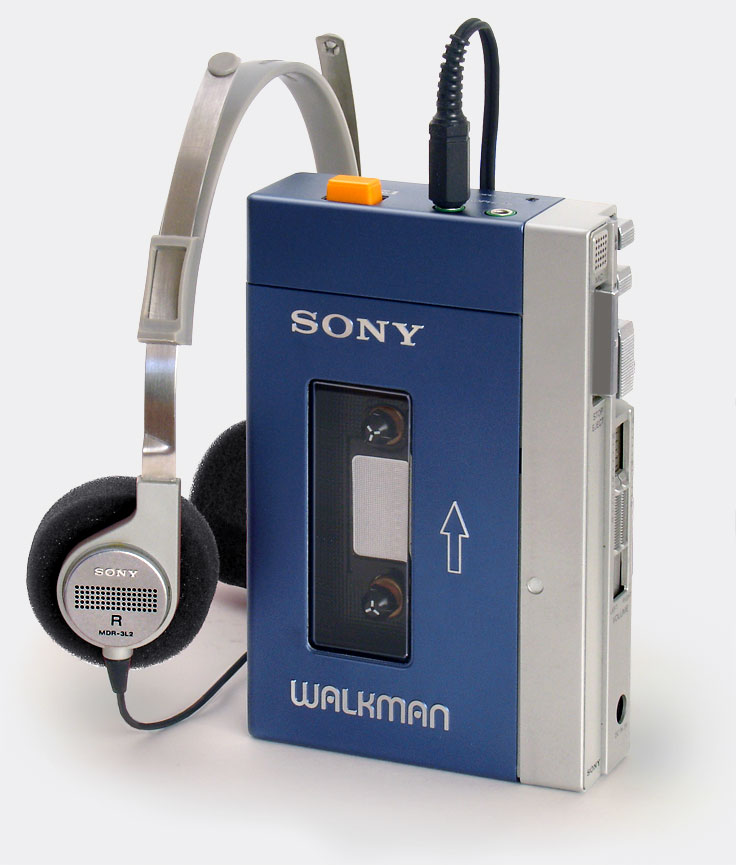
In the late summer of 1979, consumer electronics underwent a seismic structural shift. Sony introduced the TPS-L2 Walkman, accompanied by lightweight, foam-padded open-ear headphones that forever altered how humanity consumed culture. It was not merely a hardware release; it was an infrastructural overhaul of daily life, birthing the concept of private, mobile soundtracks. Fast forward nearly half a century, and the global audio ecosystem finds itself at another critical inflection point. Amid market saturation in wireless earbuds and algorithmically driven streaming services, Sony has pulled a page from its storied archives, breathing new life into its foundational 1979 headphone aesthetic for contemporary consumers.
According to real-time wire reporting originating from specialized audio publications like What Hi-Fi?, this unexpected hardware resurrection bridges a massive generational chasm. Modern listeners—many of whom were born decades after the cassette tape era peaked—are increasingly obsessed with tactile, analog-adjacent experiences. By reissuing a design that mirrors the lightweight headband, iconic orange foam ear-cushions, and minimalist metal wire frame of the late 1970s, Sony is tapping directly into a deep well of cultural capital. Yet, what has caught enterprise analysts and institutional investors by surprise is not the nostalgic styling, but the aggressive commercial pricing strategy accompanying the rollout.
Historically, retro-themed hardware from tier-one manufacturers commands steep valuation multiples and collector-tier price tags. Think of boutique vinyl turntables or limited-edition mechanical watches. Sony’s strategic pivot, however, emphasizes volume, market penetration, and accessibility. By pricing these classic-styled headphones at a remarkably affordable tier, the multinational conglomerate is executing a masterclass in consumer acquisition. This move lowers the barrier to entry for Gen Z and Millennial demographics who view vintage tech status symbols not as utilitarian tools, but as fashion-forward accessories.
From an operational standpoint, the revival reflects sophisticated supply chain optimization and risk mitigation. Rather than sinking exorbitant research and development capital into unproven form factors, Sony has leveraged existing acoustic engineering frameworks, updated internal driver components for modern frequency response, and wrapped them in an established, beloved industrial design. The result is a high-margin product that requires minimal cloud compute architecture or complex app integration—a refreshing friction-free piece of hardware in an era dominated by mandatory software updates and privacy compliance hurdles.
Verified Data & Metrics Breakdown
| Specification / Metric | Original 1979 Release (MDR-3) | Modern Revived Iteration | Strategic Implications |
|---|---|---|---|
| Target Price Point | Approx. $35 - $50 (USD unadjusted) | Significantly Affordable / Budget-Friendly | Drives high-volume retail conversion and impulse purchases |
| Acoustic Architecture | Open-air dynamic drivers, paper-thin foam | Tuned modern drivers with retro acoustic signature | Balances vintage aesthetic with contemporary audio fidelity |
| Connectivity | Wired 3.5mm standard (or 6.3mm adapter) | Wired (with potential modern adapter compatibility) | Capitalizes on the ongoing wired-headphone renaissance among Gen Z |
| Market Positioning | Cutting-edge mobile luxury technology | Lifestyle accessory and nostalgic fashion statement | Expands total addressable market beyond pure audiophiles |
Industry & Market Implications: Who Wins, Who Loses?
Every major product cycle creates structural winners and losers across the economic landscape. Sony’s aggressive pricing and historical positioning send ripples through the consumer electronics vertical.
The Winners
- Sony Corporation: By effectively monetizing legacy intellectual property, Sony strengthens its brand equity, reinforces its hardware margins, and successfully captures younger consumer cohorts without cannibalizing its high-end noise-canceling WH-1000X series.
- Independent Retailers & Vinyl/Retro Outlets: Specialty brick-and-mortar stores focusing on physical media, cassette tapes, and vintage aesthetics gain a high-turnover anchor product that drives foot traffic.
- The Consumer: Buyers secure authentic industrial design and respectable acoustic performance without facing the inflated price tags typically demanded by boutique audio brands.
The Losers
- Boutique Retro-Imposters: Third-party knock-off brands that previously dominated the cheap "vintage-style" headphone space on cross-border e-commerce platforms now face an authentic, trusted tier-one competitor with superior brand legacy.
- Over-Engineered Niche Brands: High-end audio startups relying entirely on hyper-complex marketing narratives around basic acoustic designs may struggle to justify exorbitant pricing when a powerhouse like Sony delivers the real historical article at a fraction of the cost.
From a broader macroeconomic perspective, this launch illustrates a fascinating flight to simplicity. While tech giants pour billions into immersive spatial computing, augmented reality headsets, and AI-driven wearables, Sony’s calculated dive into 1979 proves that sometimes the most lucrative enterprise ROI stems from looking backward rather than blindly forging ahead.
Frequently Asked Questions (People Also Ask)
1. Are these revived Walkman headphones wireless or wired?
True to their 1979 roots, these modern iterations maintain a classic wired configuration. This design choice aligns perfectly with the current cultural resurgence of wired headphones among younger consumers who favor zero-latency audio, retro styling, and the freedom from charging lithium-ion batteries.
2. How does the sound quality compare to modern wireless earbuds?
While they lack active noise cancellation (ANC) and digital signal processing (DSP) found in high-end modern earbuds, they offer a wide, open-air soundstage characteristic of vintage designs. They are optimized for casual listening, commuting, and aesthetic appeal rather than studio-monitor isolation.
3. Why is Sony pricing these headphones so affordably?
Sony is intentionally prioritizing volume and mass-market penetration over ultra-luxury margins. By leveraging existing historical designs, keeping internal components straightforward, and capitalizing on the massive global appetite for retro fashion, Sony can offer a compelling price point that drives high retail sell-through.
4. Are these headphones a limited-edition release or a permanent addition to the lineup?
While initial distribution waves are generating high demand across global tech and lifestyle outlets, market indicators suggest Sony is positioning this as a strategic product line expansion designed to capture sustained lifestyle retail interest rather than a fleeting promotional drop.
Future Outlook: What Comes Next
As we monitor market liquidity and quarterly retail performance metrics, Sony’s retro-hardware experiment will serve as a definitive case study for the entire consumer electronics sector. If these classic Walkman headphones achieve the sustained sales velocity projected by wire analysts, expect a broader corporate strategy involving the unearthing of other legendary 1980s and 1990s audio assets.
Key milestones to watch in the coming quarters include regional retail rollout velocity, third-party acoustic teardowns assessing modern component upgrades, and potential collaborative partnerships with fashion labels. Ultimately, Sony has demonstrated that heritage, when executed with pricing discipline and acute cultural awareness, remains one of the most powerful moats in modern business.