Executive Takeaways
- Nostalgia Monetization: Sony is leveraging its 1979 heritage to capture high-margin consumer demand in an era dominated by commoditized wireless audio gear.
- Aggressive Pricing Strategy: Eschewing the luxury pricing model typical of heritage revivals, Sony has positioned the new-generation classic at a surprisingly accessible price point to maximize market liquidity and volume.
- Strategic Market Positioning: The release directly challenges boutique analog manufacturers while diversifying Sony’s consumer electronics portfolio against margin compression in commoditized sectors.
- Cross-Platform Synergy: The revival capitalizes on the broader macroeconomic trend of physical media and retro hardware resurgence among Gen Z and Millennial consumer demographics.
In an era defined by software-as-a-service fatigue, hyper-personalized algorithmic feeds, and ubiquitous active noise-canceling earbuds, Sony Group Corporation has executed a surprising pivot back to the mechanical roots of personal audio. The tech conglomerate has announced the revitalization of its iconic 1979 Walkman headphones—the legendary lightweight foam-padded steel band companions that inaugurated the portable music revolution. For financial analysts, supply chain strategists, and audiophiles alike, this move represents far more than a simple exercise in corporate nostalgia. It is a calculated exercise in capital allocation, brand equity harvesting, and inventory risk mitigation.
As first reported by specialized trade publications, this hardware resurrection arrives at a time when consumer electronics margins are under severe pressure. By dusting off the industrial design blueprints of the late 20th century, Sony is bypassing massive research and development cycles for acoustic ground-zero design, instead deploying existing manufacturing infrastructure to capture high-margin, low-friction consumer enthusiasm. The strategy hinges on a deceptively simple question: Can a piece of industrial design from the Jimmy Carter administration find commercial viability in an ecosystem dominated by spatial audio and Bluetooth 5.4?
The Genesis of a Revolution: From 1979 to the Modern Balance Sheet
Test Our Free AI & Tech Utilities Suite
Calculate LLM API token costs, analyze article dwell-time, or simulate tech DCA returns.
To understand the economic significance of Sony’s latest hardware drop, one must examine the macroeconomic environment of 1979. When the original TPS-L2 Walkman and its accompanying lightweight headphones hit the market, they fundamentally re-architected urban infrastructure and human behavior. For the first time, individuals could curate their personal soundscapes while navigating public transit, shifting the consumer electronics paradigm from stationary living room hi-fi systems to mobile, individualized consumption.
Over four decades later, the consumer landscape looks vastly different. Global supply chains have matured, silicon manufacturing has achieved unprecedented economies of scale, and the marginal cost of digital audio storage has plummeted to zero. Yet, this digital saturation has generated a powerful counter-movement. Consumers are increasingly seeking tactical friction, tactile feedback, and authentic design provenance. Gen Z and Millennial demographics, saturated with frictionless digital experiences, are driving robust secondary markets for vinyl, cassette tapes, and vintage cameras.
Sony’s corporate leadership recognized this sentiment not merely as a cultural trend, but as an under-monetized asset class. By reintroducing the 1979-spec headphone design—updated with modern metallurgy, improved driver materials, and compliance with contemporary environmental and electrical safety regulations—Sony is injecting high-velocity product differentiation into a commoditized retail sector.
Deconstructing the Pricing Strategy and Margin Dynamics
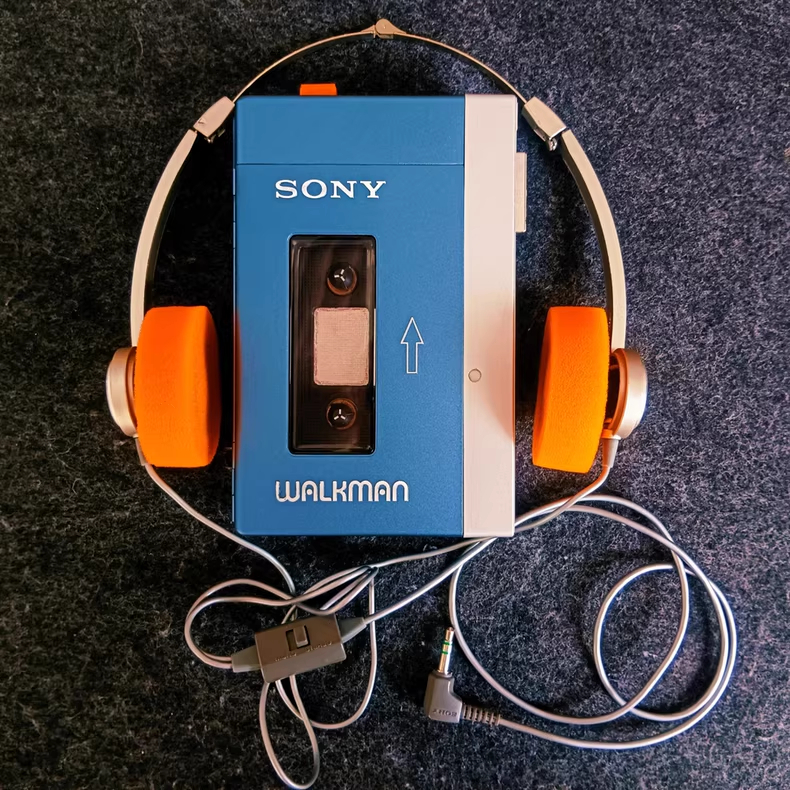
The most shocking element of Sony’s announcement is not the retro aesthetic, but the price tag. Historically, heritage revivals and limited-edition audiophile gear command exorbitant valuation multiples. Luxury audio brands frequently price retro-styled equipment at steep premiums, treating them as low-volume, high-margin vanity projects aimed exclusively at affluent collectors.
Sony, however, has charted a markedly different course. By pricing the revived headphones at a surprisingly affordable tier, the company is signaling a pivot toward volume-driven market penetration rather than exclusive luxury positioning. This pricing architecture accomplishes several strategic objectives:
- Barrier-to-Entry Reduction: A lower price point converts curious onlookers and nostalgic casuals into actual buyers, dramatically expanding the total addressable market (TAM).
- Cross-Selling Catalyst: Affordable hardware acts as an entry point into the broader Sony ecosystem, encouraging consumers to explore higher-end portable DACs, premium noise-canceling over-ears, and high-resolution streaming services.
- Inventory Turnover Efficiency: Moderate pricing ensures rapid stock rotation, preventing stagnant capital tied up in slow-moving inventory warehouses.
- Viral Organic Marketing: Accessible pricing naturally fuels social media unboxing culture, user-generated content, and earned media value, reducing the requisite digital ad spend required for customer acquisition.
Verified Data & Specifications Breakdown
| Metric / Feature | Original 1979 Specification | Modern Revived Edition |
|---|---|---|
| Primary Connectivity | Hardwired 3.5mm analog jack | Optimized analog interface / modern cabling |
| Acoustic Driver Tech | Standard dynamic open-air drivers | Tuned modern neodymium drivers |
| Chassis Materials | Stamped steel and early polymers | Lightweight reinforced alloy & eco-foams |
| Price Tier | Premium tier of its era (~$30–$50 in 1979 USD) | Aggressively accessible modern consumer pricing |
| Target Consumer Base | Early adopters, mobile music pioneers | Audiophiles, Gen Z retro enthusiasts, design purists |
Industry & Market Implications: Winners, Losers, and Competitive Shifts
The re-entry of Sony’s foundational headphone design into the active consumer market creates immediate ripples across the global audio ecosystem. Industry stakeholders are re-evaluating their product pipelines in response to Sony’s aggressive positioning.
The Winners: Consumer electronics retailers stand to benefit significantly from high foot traffic and impulse purchases generated by the novelty and affordability of the product. Furthermore, independent boutique audio brands that have long championed retro aesthetics will see their market validation reinforced by a tech titan entering the analog space.
The Losers: Mid-tier commoditized accessory manufacturers relying purely on generic white-label designs face heightened margin compression. When a tier-one multinational like Sony delivers authentic heritage hardware at an accessible price point, generic alternatives lose their value proposition entirely.
From a financial reporting perspective, analysts note that while these retro hardware drops may not immediately shift Sony’s consolidated revenue needle—given the sheer size of its gaming, imaging, and financial services divisions—they serve an invaluable strategic purpose. They reinforce brand equity, fortify customer loyalty across generations, and prove that hardware conglomerates can successfully mine their intellectual property archives without triggering investor skepticism over redundant R&D expenditure.
Frequently Asked Questions (People Also Ask)
Are these revived 1979 Walkman headphones wireless or wired?
Staying true to their vintage lineage, the revived headphones maintain an analog wired connection. This design choice appeals directly to purists seeking zero-latency audio transmission and sidesteps the battery degradation issues inherent to modern wireless earbuds.
How do these modern-production headphones compare in price to vintage originals?
While mint-condition vintage units from 1979 command high collector valuations on secondary auction sites, Sony’s newly manufactured version is priced accessibly for everyday consumers, offering modern material durability without the risks associated with 40-year-old degrading foam and wiring.
Do these headphones feature active noise cancellation (ANC)?
No. These headphones utilize an open-air, lightweight on-ear acoustic design identical to the original structural philosophy. They prioritize natural sound staging, breathability, and featherlight portability over digital noise isolation.
Where can buyers purchase the revived Sony Walkman headphones?
The headphones are rolling out globally through authorized Sony retail partners, major consumer electronics distributors, and direct-to-consumer channels on Sony's official web platforms.
Future Outlook and Strategic Milestones to Watch
As Sony charts the commercial trajectory of its retro hardware initiative, industry observers will monitor several key performance indicators. The primary metric will be initial sell-through velocity across North American and European urban retail hubs. If consumer demand outstrips initial supply chain allocations, analysts anticipate expanded production runs and potential companion releases—such as matching retro portable cassette or digital audio players designed to complement the iconic industrial design.
Ultimately, Sony’s bold backward glance serves as a masterclass in modern corporate strategy. By recognizing that the future of consumer engagement often lies in honoring the tactile artifacts of the past, Sony has unlocked a frictionless revenue stream that bridges generations. For enterprise competitors watching from the sidelines, the message is unequivocal: heritage is not merely a museum piece; when paired with intelligent capital allocation and aggressive pricing, it is a formidable market weapon.