
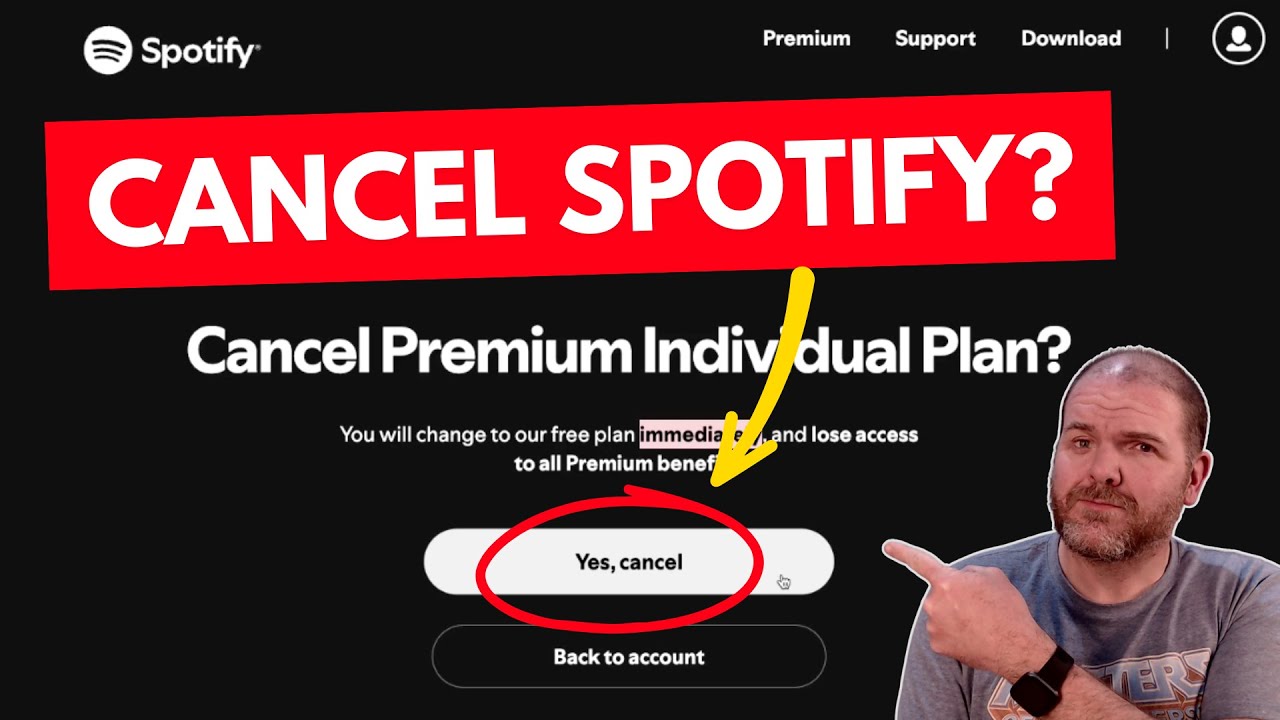
In the digital attention economy, few platforms have engineered user dependency as effectively as Spotify Technology S.A. Boasting over 600 million active monthly users and a market capitalization fluctuating in the tens of billions, the Swedish audio giant has successfully monetized human leisure. Yet, a quiet migration is underway. High-performing executives, financial analysts, and cognitive scientists are executing a strategic pivot away from the platform, citing algorithmic fatigue, degraded creator compensation models, and a measurable erosion of deep-focus capability. Quitting Spotify is no longer merely a lifestyle choice for digital minimalists; it is increasingly viewed as an intentional optimization of personal capital, mental bandwidth, and cognitive risk mitigation.
To understand this shift, one must examine the structural transformation of the audio marketplace. What began as a legal alternative to peer-to-peer file sharing has morphed into a sprawling media conglomerate reliant on hyper-personalized data extraction, continuous-variable reward schedules, and aggressive capital allocation toward non-music ventures like podcasts and audiobooks. For professionals whose primary asset is cognitive output, the platform's architecture presents a distinct friction point: an environment engineered for continuous behavioral capture rather than intentional consumption.
Executive Takeaways
Test Our Free AI & Tech Utilities Suite
Calculate LLM API token costs, analyze article dwell-time, or simulate tech DCA returns.
- Cognitive ROI Optimization: Algorithmic curation loops on modern streaming platforms are increasingly recognized by behavioral economists as drivers of decision fatigue and fragmented attention spans.
- Economic Realities for Creators: Despite massive enterprise valuation multiples, Spotify’s streaming royalty distribution models yield fractions of a cent per play, triggering friction among independent artists and intellectual property holders.
- The Analog Renaissance: Ownership-based music consumption—via digital downloads, lossless codecs, and physical vinyl—is experiencing a compound annual growth rate driven by users seeking infrastructure resilience and genuine discovery.
- Data Privacy and Capital Allocation: Transitioning away from ad-supported or algorithmic streaming platforms reduces personal digital footprint exposure while redirecting discretionary spending toward direct-to-artist models.
The Algorithmic Panopticon: How Spotify Hijacks Cognitive Bandwidth
From an infrastructural perspective, Spotify’s competitive moat rests on proprietary machine learning models, specifically collaborative filtering and natural language processing techniques designed to predict user preference. Features like Discover Weekly and Daily Mix are triumphs of cloud compute architecture, processing petabytes of user data—skip rates, listening timestamps, playlist additions, and spatial context—to curate an infinite, frictionless soundtrack for daily life.
However, this hyper-personalization carries a hidden cognitive toll. Behavioral research indicates that continuous algorithmic curation short-circuits the natural human process of active search and delayed gratification. When an enterprise platform dictates the next audio stimulus based on historical probabilistic models, the listener is trapped within a narrow feedback loop. This architecture mimics the variable reward schedules found in social media feeds, leading to fragmented concentration and diminished high-dwell-time focus.
Furthermore, Spotify’s aggressive push into spoken-word content, exclusive podcast acquisitions, and generative AI integrations has altered the platform's risk profile. To justify its valuation multiples to institutional investors, management has prioritized ad-tech infrastructure scalability and high-margin vertical integration. For the end-user, this manifests as interface bloat, intrusive promotional banners for podcasts they never requested, and an overall degradation of the core music-listening utility.
The Economics of Extraction: Valuation Multiples vs. Creator Realties
Evaluating Spotify requires looking beyond consumer-facing convenience to examine the underlying microeconomics of the streaming ecosystem. The platform operates on a pro-rata royalty model, wherein all streaming revenue in a given territory is pooled and distributed to rights holders based on total market share of streams. This mechanism heavily favors major label catalogs and megastars while leaving independent artists, niche genres, and long-tail creators struggling to achieve viable operational margins.
While Wall Street analysts scrutinize metrics like Average Revenue Per User (ARPU) and gross margin expansion, independent musicians face a starkly different reality. Streaming payouts often average between $0.003 and $0.005 per stream, requiring millions of plays just to cover baseline production and studio overhead. By migrating away from Spotify and toward direct-purchase platforms like Bandcamp, High-Res Audio stores, or physical media, conscious consumers are engaging in a form of financial risk mitigation for the creative class, ensuring that capital flows directly to the producers of cultural value rather than centralized algorithmic intermediaries.
Verified Data & Metrics Breakdown
| Metric / Feature | Spotify Ecosystem | Alternative / Ownership Model (e.g., Bandcamp / Lossless) |
|---|---|---|
| Audio Fidelity / Codec | Lossy compression (Ogg Vorbis up to 320 kbps) | Lossless FLAC, ALAC, or uncompressed WAV (up to 24-bit/192kHz) |
| Creator Payout Share | ~70% of revenue pooled via complex pro-rata major-label agreements | Up to 80-85% direct-to-artist on digital sales and merchandise |
| Algorithmic Interference | High (Continuous automated recommendations and interstitial ads) | Zero (Intentional, library-based manual selection) |
| Infrastructure Dependency | Cloud-dependent; requires active internet connection and proprietary app | Offline-first; local file storage and permanent ownership |
Industry & Market Implications
The decision of individual consumers to cancel streaming subscriptions may seem negligible against a backdrop of hundreds of millions of users, but it points to a broader macroeconomic trend: consumer fatigue with subscription-as-a-service (SaaS) fatigue. As households audit recurring expenditures to optimize personal cash flow against inflationary pressures, digital media subscriptions are facing rigorous cost-benefit analyses.
Who Wins: Independent digital marketplaces, boutique vinyl pressing plants, high-end portable audio hardware manufacturers (such as DAP—Digital Audio Player—makers), and direct-to-fan platforms stand to gain from this shift. Furthermore, users who reclaim their focus report enhanced productivity, reduced anxiety, and a deeper appreciation for music as an intentional art form rather than ambient noise.
Who Loses: Centralized streaming gatekeepers reliant on continuous ad impressions and captive attention economies face potential churn among high-value demographic cohorts. As these influential users exit the ecosystem, the platform’s ability to successfully upsell premium tiers and targeted advertising diminishes, creating a long-term headwind for user-base monetization efficiency.
People Also Ask (FAQ)
What are the primary cognitive benefits of quitting algorithmic streaming platforms?
Stepping away from algorithmically curated audio reduces decision fatigue and restores active listening habits. Without continuous prompts to consume recommended content, individuals report improved concentration levels, longer uninterrupted deep-work sessions, and a renewed sense of intentionality in their daily media consumption.
How can I rebuild a music library after deleting Spotify?
Transitioning away from streaming requires adopting an ownership mindset. Users can purchase digital albums and tracks from independent storefronts like Bandcamp, Qobuz, or Apple Music (for permanent downloads), store files on local hard drives or dedicated Digital Audio Players (DAPs), and curate personal libraries using open-source media servers like Plex or Navidrome.
Do independent artists actually benefit when listeners leave major streaming platforms?
Yes. Platforms that utilize direct-to-consumer sales models remit a significantly higher percentage of every transaction directly to the artist—often exceeding 80%—compared to the fractional, pooled royalty payouts distributed by major streaming monopolies. This direct economic support provides artists with much healthier capital flows for future creative projects.
Is it possible to enjoy high-fidelity audio without a cloud-based subscription?
Absolute fidelity is readily accessible via local file storage. By utilizing lossless codecs such as FLAC or ALAC played through dedicated hardware DACs (Digital-to-Analog Converters) and high-end headphones, listeners experience uncompressed dynamic ranges far superior to the lossy compressed bitstreams standard on ad-supported or mass-market streaming tiers.
Future Outlook
The cultural and economic friction surrounding digital audio is reaching an inflection point. As regulatory scrutiny increases around platform dominance, data privacy, and creator compensation structures, the centralized streaming model will face mounting pressure to adapt. Key milestones to watch over the next 24 to 36 months include potential antitrust challenges regarding streaming bundle pricing, technological innovations in decentralized micro-payments for creators, and the continued resurgence of physical and digital ownership formats among Gen Z and millennial consumers.
Ultimately, quitting Spotify is more than a digital detox; it is a conscious reclamation of personal autonomy in an attention economy designed to commodify leisure. By substituting algorithmic passivity with intentional curation, users not only improve their immediate cognitive environment but also vote with their capital for a more equitable, sustainable creative economy.


