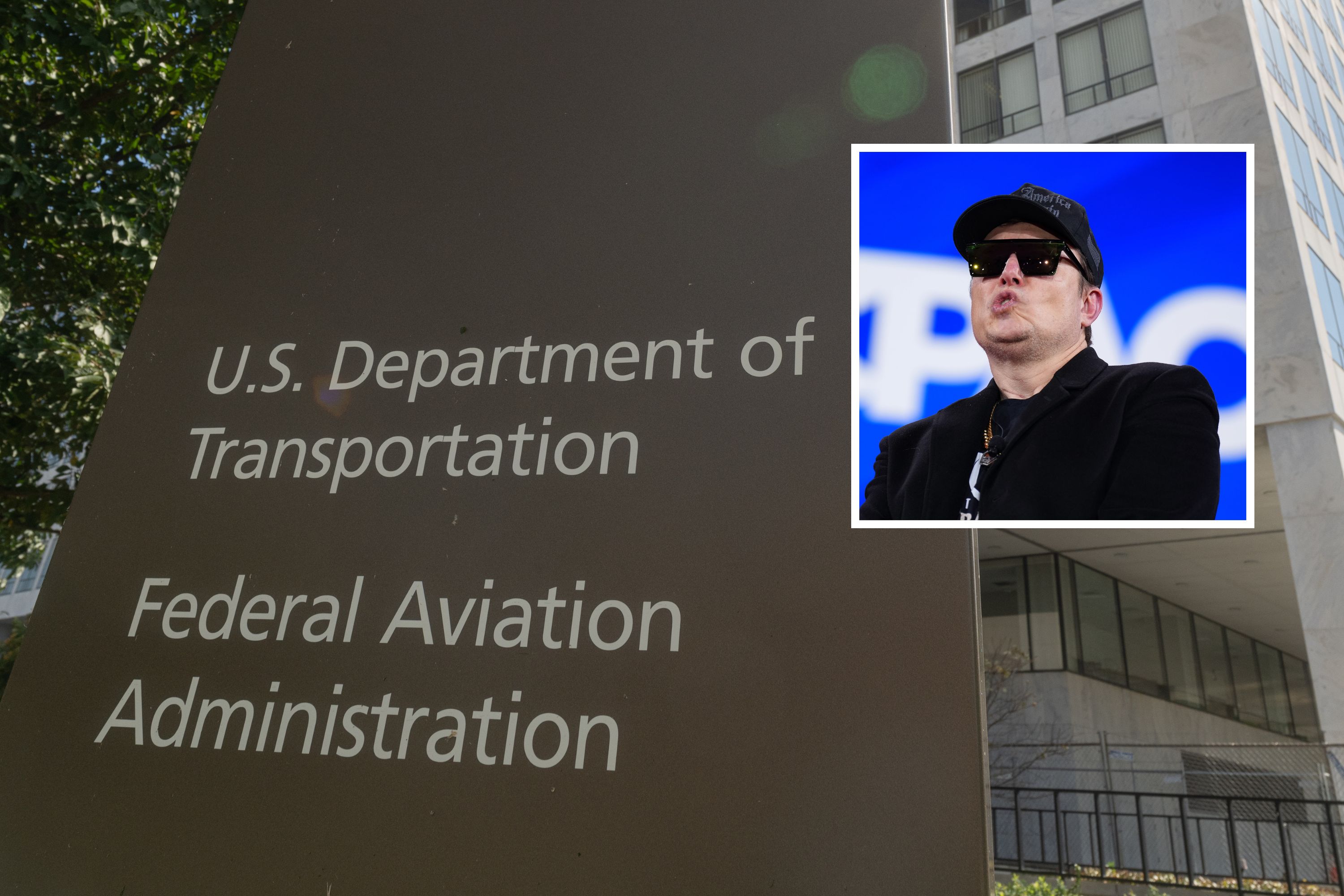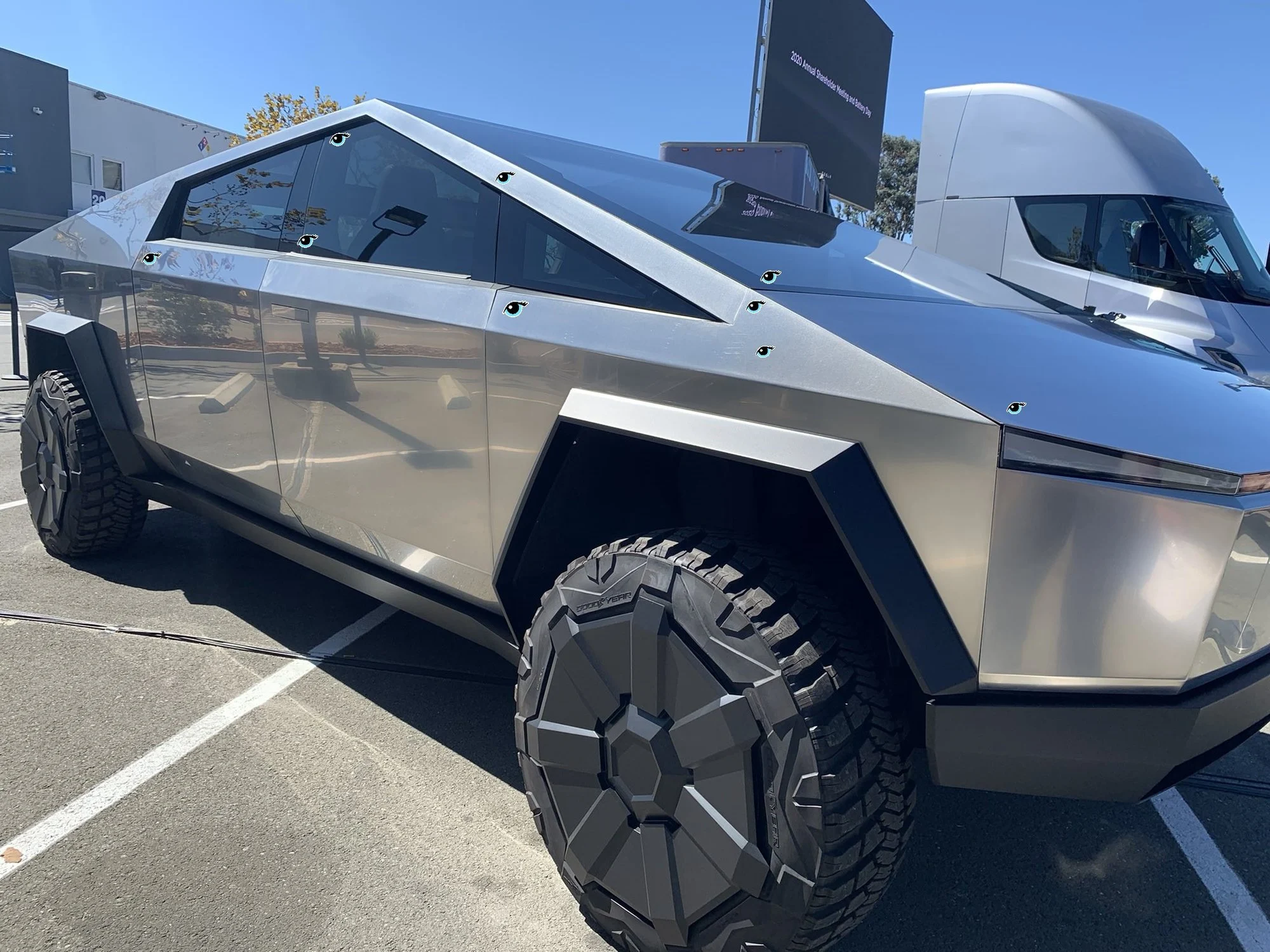
WASHINGTON & AUSTIN — In the high-stakes theater of global automotive manufacturing, few bets have been as audaciously unconventional—or as polarizing—as Tesla’s stainless-steel wedge. Yet, beneath the polished concrete floors of Gigafactory Texas and the quiet restructuring of corporate capital allocation, a seismic strategic shift is underway. Elon Musk, the chief architect of Tesla’s disruptive empire, is steering engineering bandwidth, battery cell supply chains, and enterprise ROI away from the angular metallic flagbearer that once dominated financial news cycles. The era of the Cybertruck as Tesla’s primary growth narrative is drawing to a close, replaced by a ruthless corporate focus on high-margin autonomy, next-generation platform scalability, and mass-market volume.
For financial analysts, institutional investors, and supply chain veterans, this pivot represents a classic case of corporate risk mitigation in the face of shifting market liquidity and macroeconomic realities. As valuation multiples recalibrate and consumer demand cools for ultra-niche, premium-priced lifestyle vehicles, Tesla’s executive leadership is enacting a masterclass in capital reallocation. This investigative report dissects the catalysts behind the Cybertruck's commercial trajectory, the internal metrics driving Musk’s pivot, and the profound implications for the future of global electric mobility.
Executive Takeaways
Test Our Free AI & Tech Utilities Suite
Calculate LLM API token costs, analyze article dwell-time, or simulate tech DCA returns.
- Strategic Capital Reallocation: Tesla is systematically shifting engineering talent and capital expenditure away from the Cybertruck platform to accelerate the low-cost, high-volume next-generation vehicle architecture.
- Manufacturing Bottlenecks & ROI: The vehicle's unconventional ultra-hard 30x cold-rolled stainless steel exoskeleton and 4680 battery cell ramp constraints severely impaired enterprise ROI and gross margin expansion throughout 2024.
- The Pivot to Autonomous Infrastructure: Corporate priority has definitively pivoted toward Cybercab, AI-driven Full Self-Driving (FSD) software infrastructure, and energy storage solutions to protect long-term valuation multiples.
- Market Sentiment Realignment: Wall Street analysts view the receding emphasis on the Cybertruck not as a failure of imagination, but as a pragmatic retreat from a low-velocity luxury niche toward high-liquidity mass markets.
The Anatomy of an Engineering Marvel and Commercial Quagmire
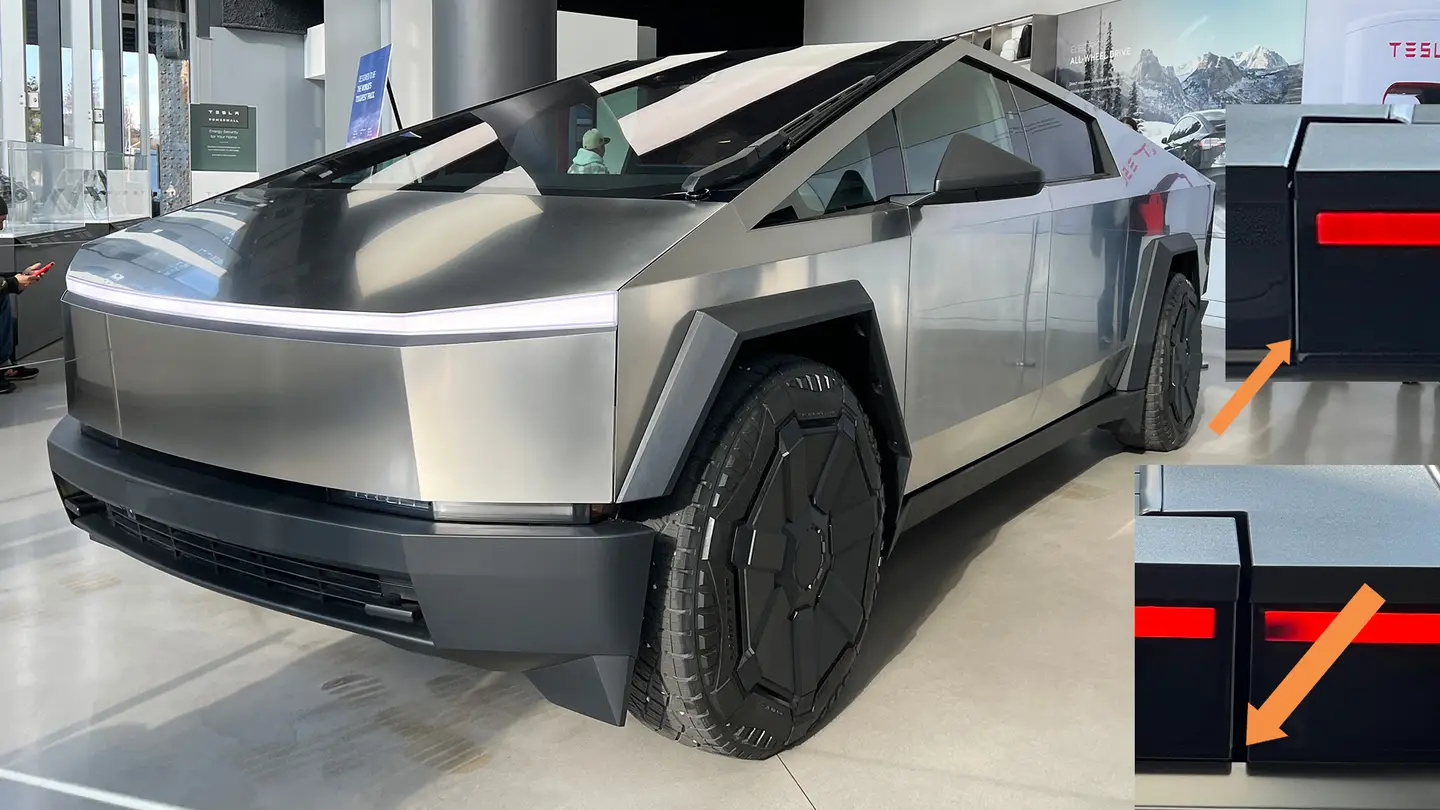
When Elon Musk first rolled the Cybertruck onto a Los Angeles stage in November 2019, shattering its armored glass windows in a now-legendary mishap, the vehicle was heralded as a direct assault on Detroit’s lucrative pickup truck hegemony. Promising an entry-level price point of $39,900 and futuristic specifications, the vehicle amassed over one million refundable reservations within weeks. However, the path from concept art to scaled production exposed the severe perils of prioritizing avant-garde industrial design over traditional manufacturing efficiency and regulatory compliance.
The core structural choice—utilizing unpainted, ultra-hard 30x cold-rolled stainless steel panels—created cascading engineering hurdles. Stamping and bending stainless steel of that thickness required radical departures from standard automotive tooling, leading to repeated production delays. Furthermore, stringent pedestrian safety regulations in international markets, particularly across the European Union, rendered the vehicle’s sharp, unyielding exterior geometries virtually impossible to homologate for global distribution. Tesla was effectively boxed into a domestic, high-net-worth niche, limiting its addressable market and frustrating enterprise-level scalability goals.
From a financial perspective, the vehicle functioned as a massive drain on R&D capital expenditure. While reservation holders waited years for delivery, inflation, supply chain bottlenecks, and rising raw material costs forced Tesla to drastically revise pricing upward. By the time volume deliveries commenced, the Foundation Series commanded a hefty premium starting north of $100,000, pricing out the very blue-collar truck buyers and early adopters who had fueled the initial reservation surge. The vehicle morphed from a disruptive mass-market play into a polarizing halo product for affluent tech enthusiasts.
Verified Data & Metrics Breakdown
| Metric / Indicator | Initial Projection (2019–2021) | Realized Reality (2024–2025) | Strategic Impact |
|---|---|---|---|
| Base Entry Price | $39,900 (Single Motor) | Discontinued / $100k+ Initial | Eliminated mass-market adoption |
| Global Production Run-Rate | 250,000+ units annually | Capped at fractional gigafactory volume | Sub-optimal factory utilization |
| Primary Manufacturing Material | Exo-skeleton Cold-Rolled Steel | Complex multi-piece structural skin | Severe tooling and stamping bottlenecks |
| Corporate Capital Focus | Pickup Truck Dominance | Autonomous Cybercab & Next-Gen Platform | Maximized long-term enterprise ROI |
The Pivot Point: Musk’s Realignment Toward Autonomous Scale
The definitive signal of Musk’s strategic departure came during recent quarterly earnings calls and investor presentations, where commentary regarding the truck’s production velocity noticeably waned. Instead, executive briefings heavily emphasized the rollout of the unboxed manufacturing process, the development of the dedicated Cybercab, and the rapid deployment of cloud compute architecture designed to train autonomous neural networks.
In the ruthless calculus of modern corporate finance, capital allocation must follow maximum enterprise valuation growth. Building heavy, steel-skinned battery electric trucks yields lower margin elasticity compared to software-defined mobility services and autonomous robotaxis. By tapering Cybertruck production priorities, Tesla has freed up critical engineering resources to solve the complex regulatory compliance and infrastructure scalability hurdles associated with nationwide unsupervised Full Self-Driving (FSD) deployment.
Furthermore, battery supply chain dynamics played a decisive role. The 4680 battery cell architecture, originally envisioned as the powerhouse for the Cybertruck and Semi, has faced arduous scaling curves. Redirecting these advanced cells toward stationary energy storage products—such as Tesla Megapacks—has proven vastly more lucrative, delivering predictable, high-margin revenue streams that stabilize corporate cash flow amidst fluctuating automotive demand cycles.
Industry & Market Implications
The winding down of the Cybertruck era reverberates far beyond Tesla’s Austin headquarters, reshaping competitive positioning across the global automotive landscape:
- Legacy Automakers (The Winners & Losers): Traditional original equipment manufacturers (OEMs) like Ford, General Motors, and Rivian initially panicked over the Cybertruck's cultural footprint. However, as Tesla pulls back, competitors like Ford (with the F-150 Lightning) and GM (with Silverado EV iterations) find breathing room to capture mainstream commercial and retail EV truck market share without facing an aggressive price war from an entrenched, high-volume Tesla competitor.
- Supply Chain & Raw Material Providers: Specialty stainless steel mills and suppliers contracted for the vehicle's unique exoskeleton alloys face restructured order books. Conversely, suppliers specializing in AI compute hardware, camera sensors, and high-density lithium-ion cells reap the rewards of Tesla’s pivot toward autonomy.
- Investor Sentiment & Valuation Multiples: Wall Street has largely welcomed the pragmatic shift. Equity research analysts have long argued that Tesla’s true valuation multiple rests on its trajectory as an AI, robotics, and energy infrastructure leader, rather than a traditional heavy-metal hardware manufacturer. Relinquishing the Cybertruck's heavy capital footprint aligns perfectly with this thesis.
Frequently Asked Questions (People Also Ask)
Is Tesla officially canceling the Cybertruck production entirely?
Tesla has not officially canceled the vehicle, but manufacturing lines are experiencing significant scale-downs and operational recalibrations. Executive focus has fundamentally shifted away from expanding the truck's footprint toward high-volume, low-cost next-generation vehicle platforms and autonomous robotaxis.
Why did the Cybertruck struggle to achieve mass-market profitability?
The vehicle faced severe manufacturing friction due to its unpainted 30x cold-rolled stainless steel exoskeleton, specialized stamping requirements, and 4680 battery cell supply constraints. These factors inflated production costs, preventing Tesla from delivering the promised $39,900 base price and squeezing gross margins.
How does this strategic shift impact current Cybertruck owners and reservation holders?
Current owners will continue to receive software updates and routine service support from Tesla’s service network. However, reservation holders still awaiting configuration may face prolonged wait times or direct encouragement from sales representatives to transition their deposits toward mainstream Model Y or Model 3 inventory as production slots contract.
What is replacing the Cybertruck in Tesla’s capital expenditure priority?
Tesla’s primary capital allocation has shifted toward the development and production scaling of the dedicated Cybercab (autonomous robotaxi), next-generation platform vehicle architectures, massive cloud compute infrastructure for AI training, and utility-scale Megapack energy storage systems.
Future Outlook and Key Milestones to Watch
As Tesla closes the chapter on its most audacious industrial design experiment, the company stands at a crucial inflection point. The transition from an automaker defined by niche lifestyle vehicles to an infrastructure-driven AI and robotics titan will be judged by execution speed and regulatory milestones over the next 24 months.
Market watchers and institutional investors should monitor several key performance indicators moving forward: the commercial deployment velocity of the unboxed manufacturing process in Austin and Mexico; regulatory approvals for unsupervised Full Self-Driving (FSD) across key metropolitan regulatory jurisdictions; and the quarterly margin expansion driven by energy storage deployments. While the angular metallic wedge may forever remain a fascinating monument to industrial daring, Tesla’s financial future is being forged on the silicon of autonomy rather than the steel of a truck bed.