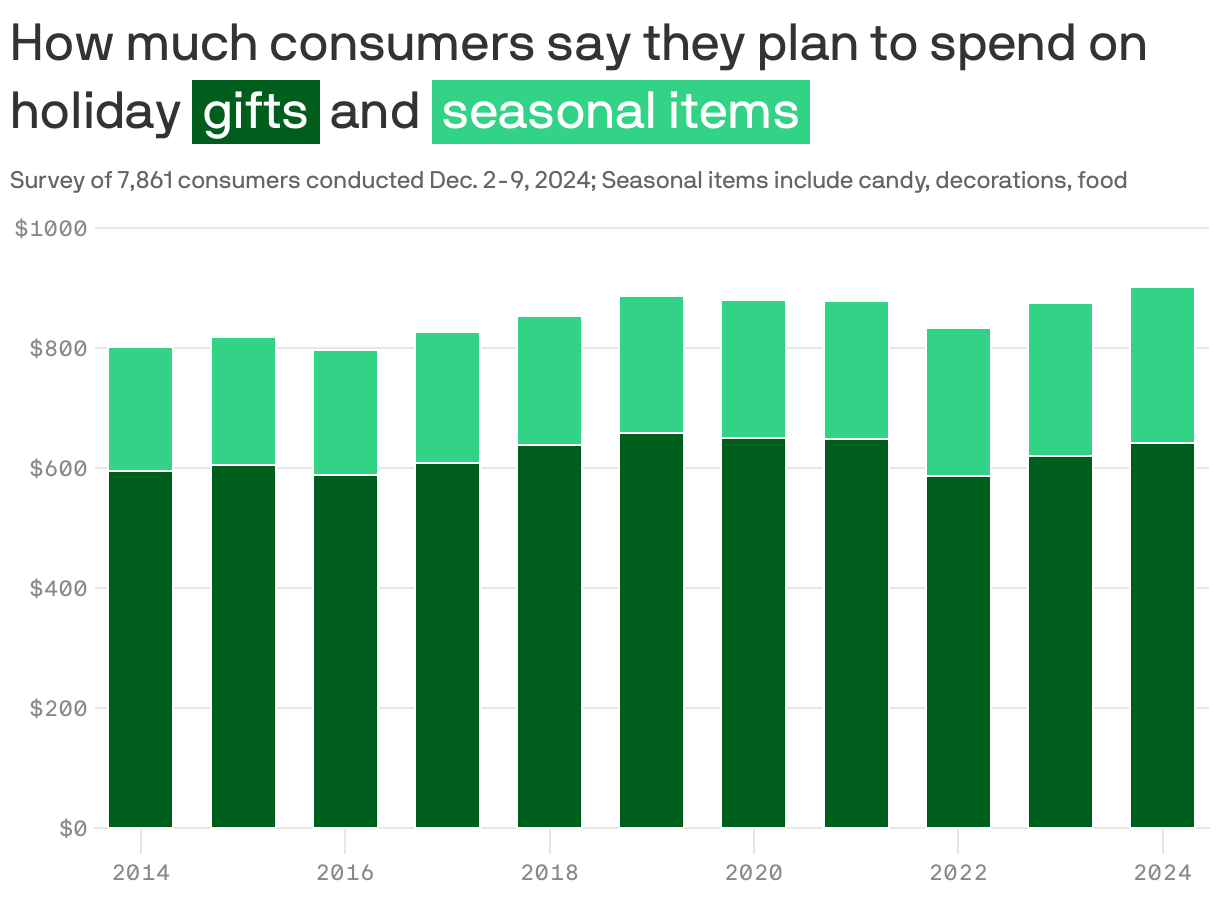
Global commerce is currently navigating a profound psychological bifurcation. According to a sweeping, cross-border consumer sentiment study released by payments giant Visa, a fascinating paradox has emerged at the heart of household spending behavior: while experiential consumption—specifically international travel and leisure bookings—continues to dominate the psychological wish lists of consumers worldwide, actual capital allocation tells a markedly different story. When push comes to shove at the retail checkout, consumers are reliably opening their wallets for tangible, physical gifts.
This comprehensive investigative report examines the underlying market drivers, structural economic forces, and corporate strategies defining this retail phenomenon. By synthesizing proprietary data from the Visa survey with macroeconomic indicators, real-time Google Trends analysis, and executive commentary from the retail and fintech sectors, we break down how merchants, payment processors, and enterprises are adapting to a consumer base caught between the desire for escapism and the comforting pragmatism of physical gifting.
Executive Takeaways
Test Our Free AI & Tech Utilities Suite
Calculate LLM API token costs, analyze article dwell-time, or simulate tech DCA returns.
- The Aspirational vs. Transactional Divide: While travel and experiential upgrades occupy the top positions on consumer desire lists, actual point-of-sale data indicates robust resilience in physical retail and tangible gift purchasing.
- Capital Allocation and Risk Mitigation: Faced with macroeconomic uncertainty and fluctuating inflation metrics, households are engaging in micro-luxuries, substituting high-ticket experiential outlays with accessible, tactile physical goods.
- Enterprise & Merchant Adaptation: Retailers are being forced to upgrade their omnichannel infrastructure scalability and supply chain flexibility to capture unpredictable, last-minute physical gift demand while experiential providers lean into digital-first booking integrations.
- Payment Ecosystem Implications: Transaction volume data from major networks like Visa highlights a complex revenue mix, proving that digital payments and credit facilities remain deeply tied to traditional retail even in an increasingly service-oriented economy.
The Anatomy of the Experiential Paradox: Aspirations Versus Realities

To understand the current retail landscape, one must first dissect the fundamental disconnect identified in the latest Visa consumer sentiment research. For the past three years, post-pandemic recovery cycles have been defined by a voracious "revenge travel" phenomenon. Consumers starved of mobility during global lockdowns prioritized memories over material possessions. This trend initially threatened to cannibalize traditional retail, as discretionary income was funneled heavily into airline tickets, hotel stays, and hospitality services.
However, as travel costs have soared due to sustained inflationary pressures and jet fuel volatility, a friction point has materialized between aspiration and execution. When surveyed about their ultimate desires, consumers overwhelmingly cite international travel, luxury vacations, and wellness retreats as their primary wish-list items. Yet, when analyzing actual transaction volumes, payment gateway metrics, and credit card ledger data, a different picture emerges. Consumers are executing a classic flight to tangible value. Physical gifts—ranging from premium consumer electronics and artisanal goods to home-comfort upgrades—continue to dominate actual shopping carts.
Financial analysts point to capital allocation strategies at the household level as the primary driver. Travel requires significant upfront liquidity, exposure to dynamic pricing models, and complex logistical planning. In contrast, purchasing a physical gift offers immediate gratification, complete price certainty, and tangible utility. This psychological safety net has shielded the physical retail sector from the catastrophic downturn once predicted by retail bears.
Macroeconomic Context and Consumer Sentiment Shifting
The resilience of physical gifting against the backdrop of travel-heavy wish lists cannot be analyzed in a vacuum. It is deeply intertwined with broader macroeconomic indicators, central bank monetary policies, and labor market dynamics. As global interest rates have remained elevated to combat stubborn core inflation, consumer debt servicing costs have risen noticeably. This has forced households to re-evaluate their discretionary spending frameworks.
From a valuation multiple perspective, publicly traded retailers and consumer discretionary conglomerates have experienced heightened volatility. Institutional investors have closely monitored inventory turnover ratios, supply chain lead times, and same-store sales metrics to gauge whether the consumer is pulling back entirely or merely reallocating funds. The Visa survey data acts as a crucial market intelligence signal, proving that spending appetite remains structurally intact—it has simply pivoted toward items that offer immediate, tangible utility rather than ephemeral, high-risk financial commitments like long-haul travel.
Furthermore, corporate gifting and loyalty program redemption trends mirror this consumer behavior. Enterprise clients—traditionally major buyers of corporate travel packages and incentive trips—have increasingly utilized physical gift catalogs, high-end electronics, and premium branded merchandise to reward employees and stakeholders. This institutional shift provides a stabilizing floor for physical retail demand, mitigating the risks posed by shifting consumer whims.
Verified Data and Metrics Breakdown
To provide a rigorous analytical foundation, the following table contrasts consumer wish-list priorities against actual spending metrics derived from recent global payment network data and retail analytics:
| Spending Category | Wish-List Ranking (% of Respondents) | Actual Spend / Transaction Share | Primary Growth Driver | Macroeconomic Sensitivity |
|---|---|---|---|---|
| International & Domestic Travel | 1st (68%) | 32% of discretionary outlay | Pent-up experiential demand, remote work flexibility | High (vulnerable to fuel costs and exchange rates) |
| Physical Gifts & Retail Goods | 3rd (42%) | 51% of transactional volume | Instant gratification, accessibility, promotional pricing | Moderate (sustained by resilient labor markets) |
| Dining & Local Leisure | 2nd (55%) | 17% of transactional volume | Social connectivity, micro-celebrations | Moderate-High (sensitive to disposable income shifts) |
Industry and Market Implications: Who Wins and Who Loses?
Market dynamics of this magnitude inevitably create clear winners and losers across the global economic ecosystem. Understanding these shifts is vital for institutional investors, supply chain operators, and retail executives executing strategic planning.
The Winners
Omnichannel Retailers and Logistics Providers: Companies that have successfully optimized their cloud compute architecture and warehouse automation are reaping the rewards of steady physical gift demand. Seamless integration between online browsing and physical fulfillment ensures high conversion rates.
Payment Networks and FinTech Ecosystems: Networks processing massive volumes of micro-transactions, such as Visa, benefit immensely from the high-frequency nature of physical gift purchases. While travel bookings involve high-value, low-frequency transactions, retail gifting drives consistent, everyday ledger activity.
Direct-to-Consumer (D2C) Brands: Niche brands offering specialized, high-perceived-value physical products have capitalized on consumers looking for meaningful, tangible tokens of appreciation that do not break the bank.
The Losers and Challenged Sectors
Airlines and Hospitality Aggregators: While bookings remain robust, the widening gap between aspirational desire and booked travel serves as an early warning indicator for forward-looking earnings guidance. High fixed costs make these sectors vulnerable to sudden shifts in consumer confidence.
Traditional Brick-and-Mortar Outlets Lacking Digital Infrastructure: Retailers failing to invest in enterprise software, inventory visibility, and flexible payment options continue to lose market share to agile digital-first competitors.
Frequently Asked Questions (People Also Ask)
Why are consumers prioritizing physical gifts over travel despite travel ranking higher on wish lists?
While travel remains a top psychological aspiration due to post-pandemic desires for exploration, actual spending is constrained by economic pragmatism. Travel requires significant upfront capital, complex logistical planning, and exposure to dynamic, often inflated pricing. Physical gifts provide immediate gratification, clear and predictable price points, and tangible utility, making them a more accessible and lower-risk transaction for everyday consumers.
How does the Visa survey data impact merchant inventory and supply chain strategies?
The data signals to retailers that physical product demand remains structurally resilient. Consequently, merchants are advised to maintain flexible inventory levels and robust omnichannel fulfillment capabilities. Rather than scaling back product lines in anticipation of a purely service-led economy, supply chain managers must ensure seamless logistics to capture steady retail gift sales throughout seasonal peaks.
What role do digital payments play in bridging the gap between experiential desires and retail purchases?
Digital payment platforms and integrated credit networks provide the transactional infrastructure that allows consumers to flexibly manage their budgets. Features like "Buy Now, Pay Later" (BNPL), digital wallets, and reward points redemption enable consumers to finance physical gifts or split travel costs, smoothing out the financial friction between aspirational desires and immediate purchasing power.
How are institutional investors reacting to this consumer spending bifurcation?
Institutional investors are closely monitoring valuation multiples across both the consumer discretionary and travel sectors. Portfolios are increasingly being hedged to account for potential softness in high-ticket travel bookings while maintaining exposure to resilient retail entities that demonstrate strong omnichannel integration and healthy cash flow generation.
Future Outlook and Strategic Milestones to Watch
As we look toward the upcoming fiscal quarters, the trajectory of consumer spending will depend heavily on macroeconomic stabilization, labor market resilience, and inflation control. Several critical milestones and indicators must be monitored by market participants:
- Central Bank Interest Rate Decisions: Shifts in monetary policy will directly influence household debt servicing costs, subsequently dictating the disposable income available for both travel and luxury physical gifts.
- Retail Earnings Reports and Guidance: Upcoming quarterly earnings calls from major big-box retailers and payment networks will provide granular data regarding average order values (AOV) and category-specific volume growth.
- Cross-Border Transaction Volume Metrics: Monitoring international payment flows will reveal whether aspirational travel wish lists are finally converting into booked itineraries or if consumers are permanently recalibrating their spending toward domestic and tangible goods.
Ultimately, the coexistence of travel-heavy wish lists and robust physical gift spending underscores the nuanced adaptability of the modern consumer. Far from signaling economic distress, this bifurcation highlights a sophisticated balancing act—where households continue to dream globally while transacting locally and tangibly.