
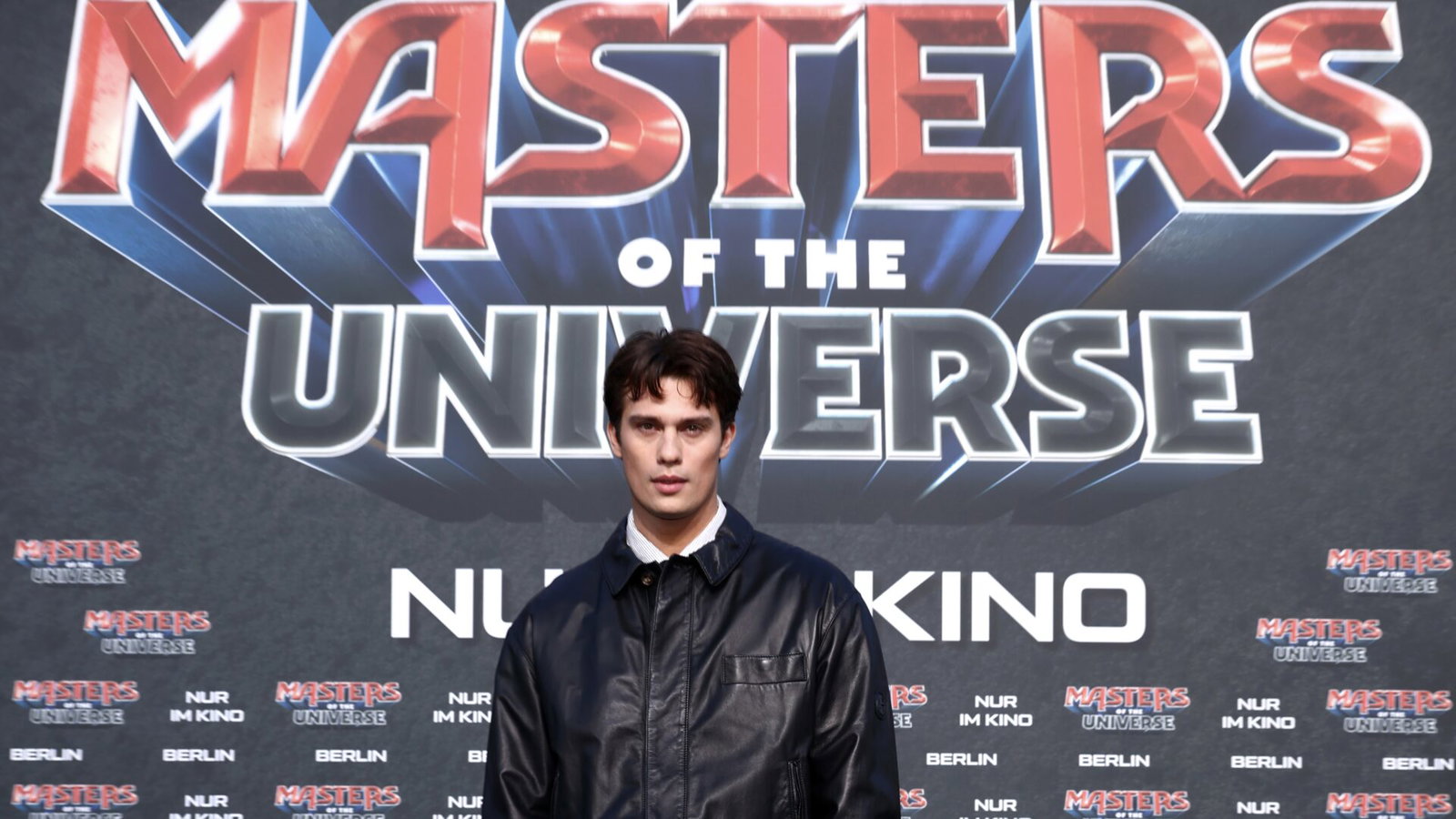
NEW YORK & MUMBAI — In the brutal theater of modern Hollywood economics, a theatrical box office miss used to spell absolute doom for a major intellectual property. But the rulebook is being rewritten in real-time. According to exclusive industry data and reports verified by Movieguide, the live-action fantasy epic Masters of the Universe has engineered one of the most remarkable turnaround stories in recent entertainment history, surging from a disappointing theatrical run straight into a runaway streaming juggernaut.
For major studios balancing ballooning production budgets against shifting consumer habits, the phenomenon offers a masterclass in modern asset monetization. While traditional box office metrics once served as the definitive final grade for a blockbuster, the streaming era has introduced a lucrative second act—one where nostalgic IP, algorithmic discovery, and a hungry global audience can resurrect even a perceived cinematic casualty.
The Anatomy of a Cinematic Pivot
When Masters of the Universe first landed in theaters, studio executives faced an uphill battle. Despite a passionate legacy fanbase nurtured by decades of Mattel toys, animated series, and pop-culture lore, the film struggled to attract casual moviegoers in a crowded theatrical marketplace. High production costs and marketing expenditures meant the initial box office returns fell well short of internal financial projections, prompting industry analysts to write off the project as another casualty of high-risk franchise filmmaking.
However, the narrative shifted dramatically the moment the title hit the digital catalog. Freed from the friction of ticket prices, theater parking, and showtime constraints, audiences flocked to the streaming platform in unprecedented numbers. Within days of its digital debut, Masters of the Universe dominated global viewership charts, proving that while fans may have hesitated to brave the multiplex, they were more than eager to visit Eternia from the comfort of their living rooms.
Key Factors Driving the Streaming Surge
- Nostalgia Factor: Gen X and Millennial parents eager to share beloved childhood touchstones with younger generations.
- Frictionless Access: Removing the financial barrier of theatrical ticket pricing allowed curious streaming subscribers to sample the film risk-free.
- Algorithmic Momentum: High initial completion rates triggered platform recommendation algorithms, pushing the movie to the top of trending queues worldwide.
- Social Media Amplification: Fan-driven memes, reviews, and nostalgic deep-dives created organic viral marketing loops across major social networks.
Market Impact and Financial Re-Evaluation

For Wall Street analysts and entertainment economists, this turnaround underscores a fundamental structural shift in how studio valuations are calculated. Historically, a weak theatrical opening triggered immediate stock jitters and downward revisions of studio asset values. Today, smart-money investors look past the box office weekend, focusing instead on long-tail streaming engagement, ancillary merchandise tie-ins, and global subscriber retention.
Media conglomerates are increasingly realizing that theatrical releases now function essentially as high-priced global marketing campaigns for subsequent streaming windows. If a movie establishes enough baseline awareness in theaters, it can capture lightning in a bottle on streaming services—turning red ink into black through subscription growth and digital engagement metrics.
| Metric | Theatrical Run | Streaming Debut |
|---|---|---|
| Audience Reach | Localized / Fragmented | Global / Immediate |
| Financial Barrier | High (Ticket & Concession Costs) | Low (Inclusive Subscription Model) |
| Critical Momentum | Mixed Reviews Hindered Word-of-Mouth | Driven by Organic Fan Sharing & Discovery |
| Studio Status | Initial Box Office Disappointment | Massive Global Streaming Hit |
What This Means for Future Franchise Playbooks
The unexpected triumph of Masters of the Universe on streaming platforms will undoubtedly alter greenlight decisions across Hollywood boardrooms. Studios are likely to become more aggressive in financing mid-to-high-tier genre projects, knowing that a softer theatrical performance is no longer a death sentence. Instead, studios can pivot rapidly to digital ecosystems, leveraging built-in fandoms and targeted data analytics to maximize profitability.
Furthermore, this shift empowers creators and IP holders. Brands like He-Man, Skeletor, and Castle Grayskull possess deep emotional resonance that transcends standard box office arithmetic. As streaming platforms fight tooth and nail for consumer attention and retention, recognizable nostalgia backed by accessible distribution will remain one of the most potent weapons in the modern entertainment arsenal.
Frequently Asked Questions
Why did ‘Masters of the Universe’ struggle at the box office initially?
The film faced a congested theatrical release schedule, high marketing hurdles, and hesitation from casual moviegoers who opted to wait for home viewing options rather than paying for a theatrical ticket.
How did the movie achieve success on streaming?
Once available on streaming, the film benefited from frictionless access, strong multi-generational nostalgia appeal, and powerful algorithmic promotion that drove massive global viewership numbers within its first week.




)