WALL STREET & MUMBAI — Wall Street’s most elite club is officially back in record territory. Exactly one week ago, the collective market capitalization of the technology-heavy "Magnificent Seven" shattered previous ceilings, closing at an unprecedented all-time high. The milestone marks a stunning reversal of fortune following a punishing, volatility-laced market correction in early 2026 that had pundits questioning the enduring dominance of Big Tech.
According to primary wire reports from 24/7 Wall St., the sudden resurgence was catalyzed by a potent mix of surging enterprise artificial intelligence monetization, better-than-expected corporate balance sheets, and a monumental pivot in macroeconomic sentiment. For institutional investors, hedge fund managers, and retail day traders alike, the message is unequivocal: the engine driving the modern global economy is firing on all cylinders once again.
From the Brink of Correction to Record-Breaking Heights
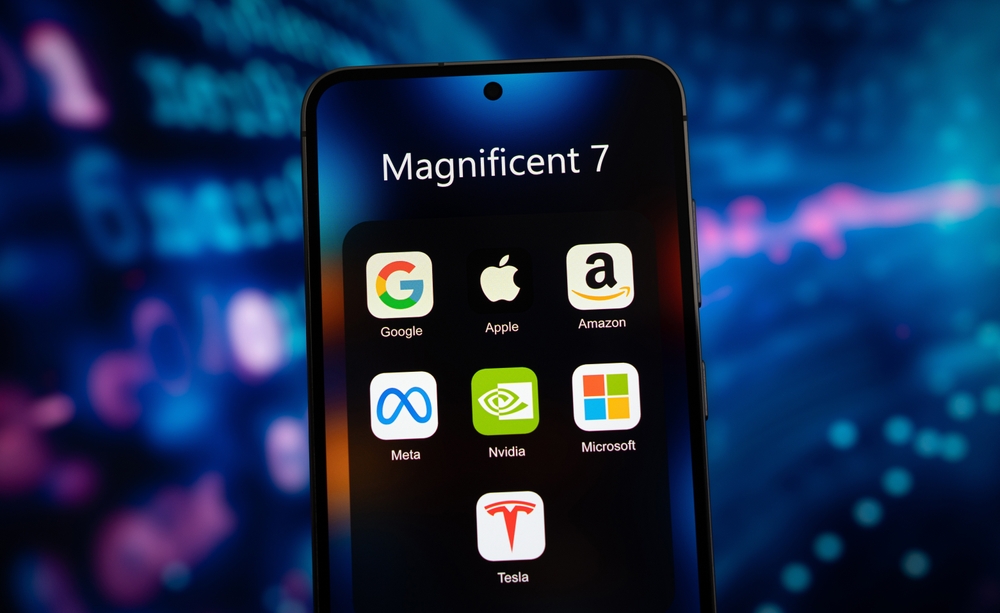
The journey to this historic market peak has been nothing short of a white-knuckle ride. As markets opened in early 2026, the Magnificent Seven—comprising Apple, Microsoft, Alphabet, Amazon, Nvidia, Meta Platforms, and Tesla—faced an aggressive, broad-based selloff. Driven by fears of sticky inflation, aggressive interest rate recalibrations, and acute anxiety over whether billions of dollars in capital expenditure on AI infrastructure would ever yield a return, valuations tumbled.
Skeptics declared the era of hyper-growth over. Yet, as recent earnings reports and macroeconomic data have proved, reports of Big Tech's demise were vastly exaggerated. Through relentless cost discipline, strategic pivots, and dominant integration of generative AI into consumer and enterprise products, these seven corporate titans clawed their way back, obliterating prior resistance levels.
Key Drivers Behind the Historic Rebound
- Monetizable AI Integration: Unlike the speculative hype cycles of the past, Big Tech is successfully translating AI infrastructure investments into high-margin recurring revenue streams.
- Resilient Consumer Demand: Despite lingering economic headwinds, cloud computing, digital advertising, and high-end hardware sales have outperformed Wall Street consensus.
- Macroeconomic Tailwinds: Easing monetary policy expectations and stabilized Treasury yields have restored investor appetite for high-growth equities.
- Fortress Balance Sheets: Massive free cash flow generation has allowed these companies to aggressively buy back shares and fund next-generation innovations without relying heavily on debt.
Market Impact and Institutional Sentiment

The concentration of market power within the Magnificent Seven has once again ignited intense debates among financial analysts regarding market breadth. With these seven companies commanding a disproportionate share of major indexes like the S&P 500 and the Nasdaq Composite, their trajectory dictates the financial health of millions of retirement accounts worldwide.
"What we are witnessing is not a speculative bubble, but an unprecedented aggregation of economic toll-booths," notes a senior chief equity strategist at a major global investment bank. "If you want access to global cloud computing, digital search, enterprise AI, digital commerce, and the future of mobility, you have to go through these seven companies. They are simply too deeply embedded in the global digital infrastructure to fail."
| Company | Primary Growth Catalyst | Market Status |
|---|---|---|
| Nvidia | Next-generation AI chips and enterprise data centers | Leading Sector Momentum |
| Microsoft | Enterprise cloud dominance & Copilot integration | New All-Time High |
| Apple | Ecosystem stickiness & advanced hardware upgrades | Robust Rebound |
| Alphabet | Core advertising strength & Gemini ecosystem scaling | Record Territory |
| Amazon | AWS cloud re-acceleration & logistics optimization | New All-Time High |
| Meta Platforms | AI-driven ad targeting & operational efficiency | Surging Past Prior Peaks |
| Tesla | Autonomous driving software & energy storage scaling | Strong Recovery |
Looking Ahead: The Road Forward
As the Magnificent Seven sail into uncharted valuation territory, the critical question for investors is sustainability. While the fundamental drivers remain robust, regulatory scrutiny globally continues to cast a long shadow over antitrust concerns, data privacy legislation, and artificial intelligence governance.
Nevertheless, for now, the bears have been silenced. The historic milestone reached over the past week serves as a powerful testament to the adaptability and sheer financial might of America's corporate crown jewels. As long as these tech giants continue to deliver innovation at scale, Wall Street's most powerful club will likely continue to set the pace for global finance.
Frequently Asked Questions
What caused the early 2026 selloff in the Magnificent Seven?
The early 2026 selloff was triggered by a combination of macroeconomic concerns—including sticky inflation and shifting interest rate expectations—alongside growing investor skepticism regarding the short-term return on investment for massive artificial intelligence capital expenditures.
Are these companies still considered safe long-term investments?
While financial advisors generally praise the robust balance sheets and massive cash flows of the Magnificent Seven, wealth managers continuously warn about market concentration risk, regulatory pressures, and high valuations, advising investors to maintain a diversified portfolio.