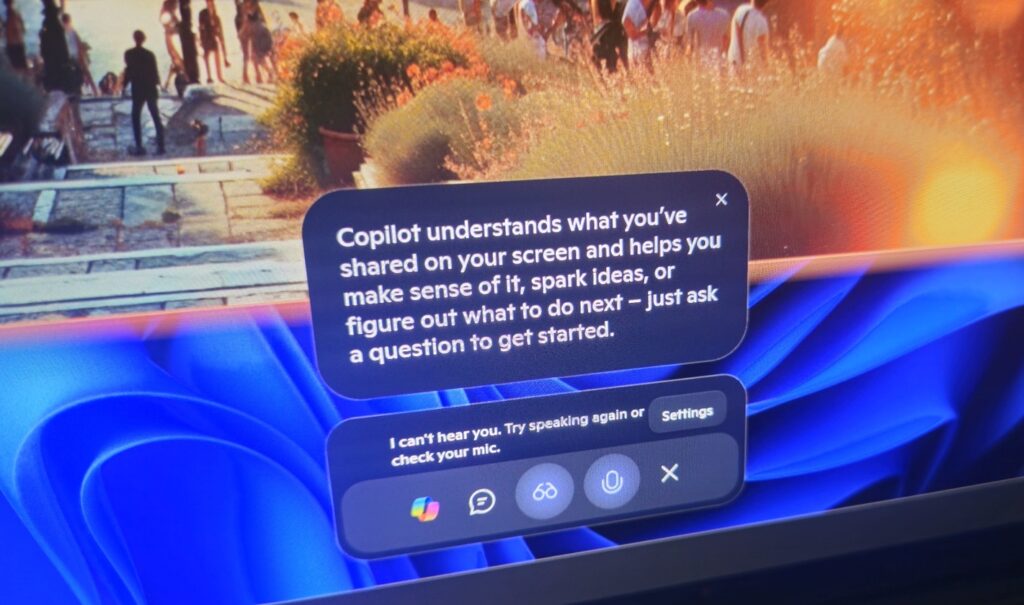
In a rare and calculated concession to mounting enterprise frustration and consumer fatigue, Microsoft has formally altered its operating system strategy. After months of aggressive deployment tactics that saw its generative artificial intelligence assistant forcefully integrated into core user interfaces, Redmond is backtracking. The tech giant has confirmed that Windows 11 search UI integrations for Microsoft Copilot will transition from an unavoidable, persistent fixture to an entirely optional, user-controlled add-on. For the capital markets, enterprise chief information officers (CIOs), and regulatory watchdogs, this pivot marks a critical inflection point in the commercialization of generative AI—proving that user experience friction can ultimately stall even the most aggressive enterprise infrastructure strategies.
For more than a year, Microsoft’s capital allocation playbook hinged on a singular, uncompromising thesis: ubiquitous distribution. By embedding Copilot directly into the Windows taskbar, Office suites, and the primary search interface, leadership sought to drive immediate adoption metrics, justify staggering cloud compute expenditures, and secure long-term valuation multiples tied to artificial intelligence leadership. However, this aggressive top-down strategy triggered severe pushback. Enterprise IT administrators wrestled with unforeseen workflow disruptions, productivity lags, and unexpected compliance hurdles, while everyday consumers decried bloatware and sluggish UI performance. This comprehensive investigative report examines the catalysts behind Microsoft’s strategic retreat, the economic implications for enterprise IT budgets, and what this regulatory and market-driven recalibration signals for the broader software-as-a-service (SaaS) landscape.
Executive Takeaways
Test Our Free AI & Tech Utilities Suite
Calculate LLM API token costs, analyze article dwell-time, or simulate tech DCA returns.
- Strategic Course Correction: Microsoft is officially removing the mandatory integration of Copilot within the Windows 11 search UI, converting the AI assistant into a strictly optional feature for system administrators and end-users.
- Enterprise ROI Pressure: The retreat was largely catalyzed by enterprise CIOs pushing back against forced deployment models that disrupted corporate workflows and complicated internal risk mitigation protocols.
- Capital Expenditure Realities: Despite the UI adjustment, Microsoft remains heavily committed to its underlying cloud compute architecture, maintaining multi-billion-dollar infrastructure investments to power enterprise-grade AI tiers.
- Regulatory & Competitive Optics: The move serves as a preemptive defense against intensifying global antitrust scrutiny regarding platform dominance, bundling practices, and anti-competitive software distribution.
The Anatomy of an Overreach: How Copilot Was Shoved Down the User’s Throat
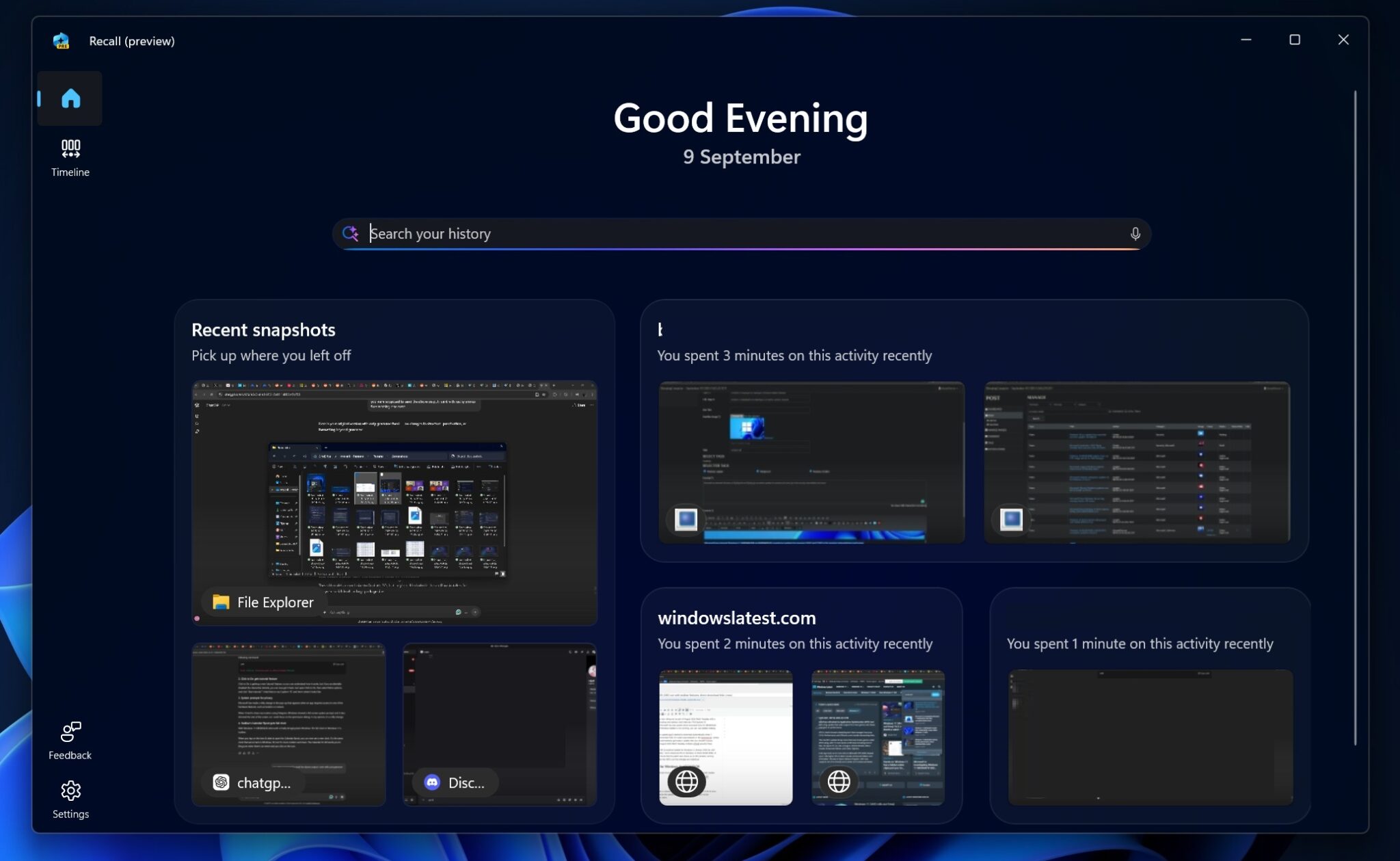
The genesis of the current controversy traces back to Microsoft’s aggressive push to monetize its multi-billion-dollar partnership with OpenAI. Following the widespread commercial rollout of GPT-4 architecture, Microsoft leadership identified Windows—running on over one billion active devices globally—as the ultimate distribution channel. The operational directive was clear: bypass traditional software adoption cycles by embedding AI capabilities directly into the operating system's foundational layers.
Initially, this manifested as the Copilot button prominently pinned to the Windows 11 taskbar. While annoying to purists, it was largely dismissed as superficial bloat. However, the friction intensified exponentially when Microsoft began weaponizing the Windows 11 Search UI. Users searching for local files, network settings, or offline applications were routinely intercepted by web-connected Copilot queries, routing routine local computations through heavy cloud infrastructure. For corporate environments operating under strict data residency mandates and security protocols, this seamless blending of local operating system search with cloud-based generative AI raised immediate red flags regarding compliance and risk mitigation.
Enterprise IT departments bore the brunt of the fallout. In corporate settings where operational stability, predictable software behavior, and enterprise ROI dictate technology deployment, unauthorized AI injections caused unexpected application crashes, increased help-desk ticket volumes, and forced administrators to write custom Group Policy Object (GPO) workarounds just to disable the unwanted assistant. The friction exposed a widening disconnect between Microsoft’s aggressive top-down sales targets and the ground-level operational realities faced by enterprise infrastructure managers.
Financial and Infrastructure Implications: Balancing Cloud Compute Costs with User Demand
From a financial perspective, Microsoft’s pivot introduces fascinating questions regarding capital allocation and infrastructure scalability. Running generative AI inferences at a global scale requires staggering amounts of specialized cloud compute architecture—predominantly powered by high-end GPUs housed within Azure data centers. To justify these astronomical capital expenditures, Microsoft needed immediate, high-volume user engagement to demonstrate enterprise value to Wall Street analysts.
Forced distribution was designed to artificially inflate active user metrics, creating a self-fulfilling narrative of rapid enterprise adoption. However, forcing an optional tool onto an unwilling user base does not equate to genuine enterprise monetization. As corporate customers demanded granular control over their software stacks, Microsoft realized that alienating key enterprise accounts posed a far greater financial risk than scaling back aggressive UI mandates. Premium enterprise tiers, such as Microsoft 365 Copilot, rely on voluntary, high-value adoption rooted in verified productivity gains—not forced engagement via operating system workarounds.
Consequently, shifting Copilot to an optional status in the Windows 11 search UI allows Microsoft to segment its customer base more effectively. Casual consumers and privacy-conscious users can opt out entirely, conserving valuable local resources, while enterprise organizations can deploy the tool strictly through authorized, governed channels that align with their internal security frameworks and regulatory compliance requirements.
Verified Data & Metrics Breakdown
| Metric / Dimension | Initial Rollout Phase (2023–Early 2024) | Current Strategic Pivot (Late 2024–Present) |
|---|---|---|
| Windows Search UI Integration | Mandatory, deeply embedded cloud query routing | Strictly optional add-on with manual opt-in/opt-out toggles |
| Enterprise Deployment Control | Limited native administrative blocks; required complex GPO scripting | Streamlined IT administrator controls via Microsoft Intune and Group Policy |
| Primary Driver | Rapid user acquisition metrics and top-down product visibility | Enterprise feedback, regulatory compliance, and workflow stability |
| Infrastructure Impact | High-volume, unrequested cloud compute inference loads | Optimized compute allocation directed toward paying enterprise tiers |
Industry & Market Implications: Who Wins, Who Loses?
The decision to make Copilot optional in Windows 11 reverberates across the broader technology ecosystem, creating distinct winners and losers among hardware manufacturers, enterprise software competitors, and regulatory bodies.
The Winners: Enterprise IT and Privacy-Focused Competitors
Enterprise CIOs emerge as the primary victors in this scenario. By reclaiming granular authority over their organizational software stacks, IT leaders can dictate precisely when and how generative AI enters their corporate environments, ensuring airtight regulatory compliance and risk mitigation. Furthermore, alternative operating system providers and privacy-focused software utilities stand to gain traction among consumers who grew increasingly frustrated by Microsoft's heavy-handed operating system tactics.
The Losers: Short-Term AI Metrics and Overzealous Product Silos
Microsoft’s immediate casualty is vanity adoption metrics. Without forced distribution channels, raw daily active user (DAU) figures for the consumer-facing version of Copilot will likely normalize or experience a temporary dip. This forces the product divisions to pivot from relying on artificial distribution tailwinds to competing strictly on product utility, speed, and genuine enterprise value proposition.
Frequently Asked Questions (People Also Ask)
Why did Microsoft decide to make Copilot optional in the Windows 11 search UI?
Microsoft bowed to intense feedback from enterprise IT administrators, corporate customers, and everyday consumers who experienced workflow disruptions, system sluggishness, and privacy concerns caused by the forced integration of cloud-based AI into local operating system functions.
Does this mean Microsoft is abandoning its artificial intelligence strategy?
No. Microsoft remains deeply committed to generative AI, maintaining multi-billion-dollar investments in Azure cloud compute architecture and enterprise-grade tools like Microsoft 365 Copilot. The shift applies strictly to the UI distribution method within the Windows operating system, moving from mandatory bundling to a user-controlled, optional add-on.
How can enterprise administrators manage Copilot deployment moving forward?
IT administrators retain comprehensive control over Windows 11 environments via enterprise management solutions like Microsoft Intune and Group Policy Objects (GPOs), allowing organizations to standardize security protocols and provision AI tools selectively based on internal compliance standards.
Will turning off Copilot improve system performance on Windows 11?
For users operating on lower-spec hardware or those seeking strictly local, offline computing environments, disabling the persistent cloud-query mechanisms in the search UI can reduce background resource utilization and streamline the local search experience.
Future Outlook: What Comes Next
As Microsoft transitions Copilot from a forced UI mandate to an optional utility, the company faces a crucial test of product execution. The era of brute-force distribution is officially drawing to a close across the software industry. Moving forward, the valuation multiples of major technology conglomerates will no longer be sustained by artificial user acquisition metrics, but by demonstrable, quantifiable enterprise ROI.
Key milestones to watch over the coming quarters include quarterly Azure cloud revenue reports, adoption rates for paid enterprise Copilot tiers, and potential regulatory updates from global watchdogs monitoring software bundling practices. Ultimately, Microsoft’s willingness to listen to its enterprise base demonstrates a maturing market for generative artificial intelligence—one where user autonomy, system stability, and data governance finally take precedence over aggressive corporate growth hacks.