
Executive Takeaways
- Clara-Driven Volatility: Rapid, extreme glacial cycles and abrupt climatic shifts dismantled Neanderthal ecological niches, rendering their capital-intensive, high-energy biological infrastructure unsustainable.
- Competitive Displacement: The strategic arrival and resource arbitrage of Anatomically Modern Humans (*Homo sapiens*) introduced superior social network scaling and technological adaptability, driving asymmetric market pressure.
- Introgression and Assimilation: Rather than a clean extermination, genetic sequencing confirms complex demographic absorption, with modern non-African genomes retaining 1% to 2% Neanderthal DNA—representing an evolutionary merger of enterprise assets.
- Revisiting the Valuation: Modern paleoanthropology has successfully discarded outdated tropes of brute-force savagery, reappraising Neanderthals as sophisticated, culturally rich hominins with advanced symbolic capabilities and risk mitigation strategies.
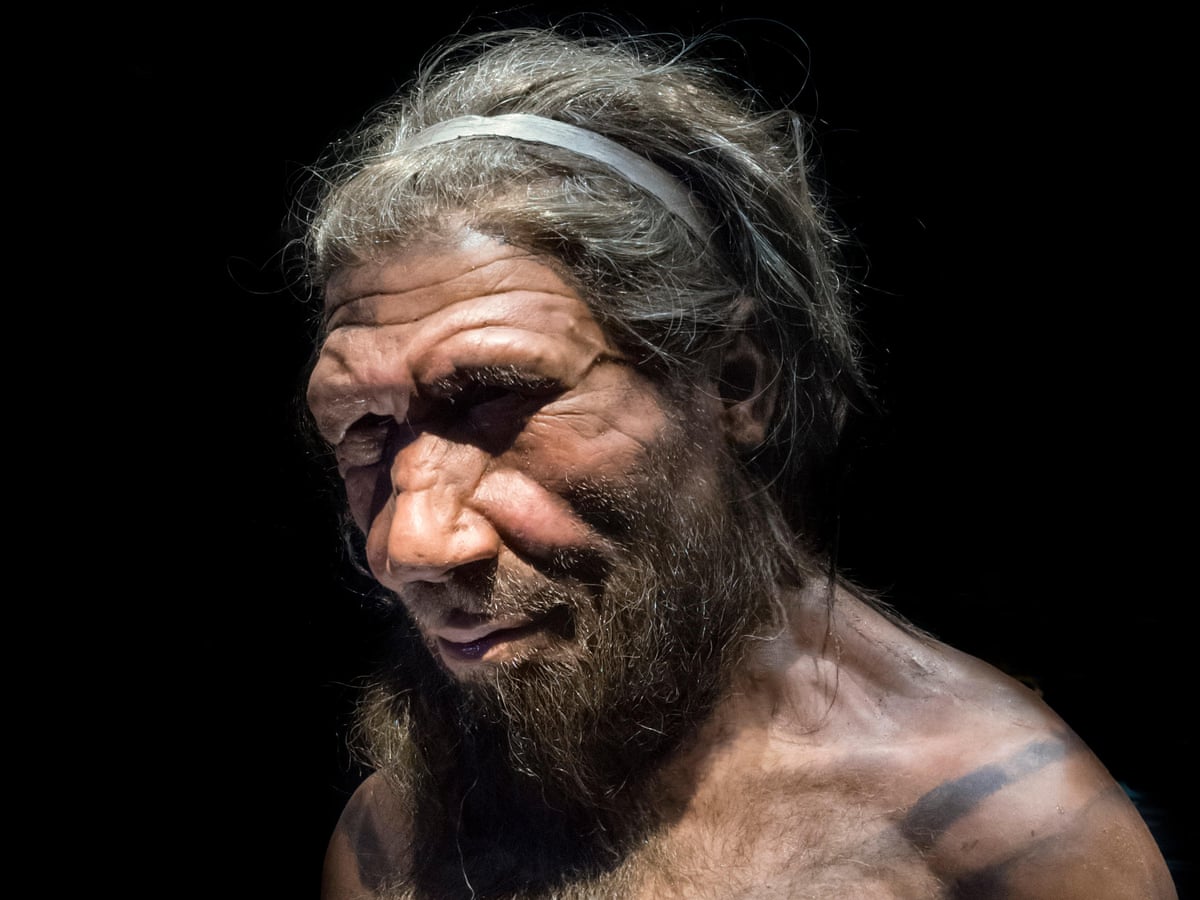
For more than a century, the disappearance of *Homo neanderthalensis* has served as anthropology's ultimate cold case. Long dismissed in popular lore as knuckle-dragging, intellectually deficient brutes who simply succumbed to the superior intellect of arriving *Homo sapiens*, our closest evolutionary cousins have undergone a radical historical reappraisal. As high-throughput genomic sequencing, high-resolution paleoclimate modeling, and advanced isotope analysis converge, a far more complex picture emerges. The story of what happened to the Neanderthals is not merely a tale of prehistoric conquest; it is a masterclass in ecological disruption, infrastructure scaling failure, and systemic vulnerability to rapid environmental volatility.
When analyzing the extinction of a dominant apex hominin that successfully navigated Ice Age Europe and Western Asia for hundreds of thousands of years, modern investigative frameworks look beyond simple tropes. We must examine resource allocation, demographic resilience, and the brutal calculus of climate change. Just as modern corporations face sudden obsolescence when macroeconomic shocks collide with agile, technologically superior market entrants, the Neanderthals faced an existential convergence they could neither hedge nor outmaneuver.
The Evolutionary Baseline: Built for High-Risk Environments
Test Our Free AI & Tech Utilities Suite
Calculate LLM API token costs, analyze article dwell-time, or simulate tech DCA returns.
To understand the collapse, we must first understand the enterprise model of the Neanderthal. Evolving across Eurasia over roughly 400,000 years, Neanderthals were heavily specialized biological assets optimized for severe, high-latitude environments. Their anatomy was a masterclass in cold-weather risk mitigation: broad chests, short limbs, robust bone density, and massive nasal passages designed to warm and humidify frigid, dry air.
From a caloric and metabolic standpoint, however, this architecture required immense capital expenditure. Recent physiological estimates suggest a male Neanderthal engaged in heavy hunting required upward of 4,000 to 5,000 calories daily—significantly higher than their *Homo sapiens* counterparts. Their survival strategy relied on high-stakes, close-quarters ambush hunting of megafauna, including woolly mammoths, rhinoceroses, and deer. This required exceptional physical courage, deep local environmental knowledge, and intricate social coordination.
Yet, this specialized operational model created a severe structural vulnerability. When the macroeconomic environment—in this case, the global climate—experienced unprecedented volatility, their specialized infrastructure struggled to pivot.
The Catalytic Shock: Climate Change and Ecological Collapse

For decades, scholars debated whether climate change or incoming modern humans delivered the fatal blow. Today, leading paleoclimatologists and researchers—drawing on foundational work by institutions and researchers such as Katerina Harvati and studies highlighted by Smithsonian climate analyses—point to a devastating compounding effect: climate change loaded the gun, and modern humans pulled the trigger.
During Marine Isotope Stage 3 (roughly 60,000 to 24,000 years ago), Europe experienced some of the most erratic and extreme climate fluctuations in planetary history. Temperatures swung violently within decades, abruptly transforming lush, forested steppe habitats into barren, frozen tundra or arid wastelands. These rapid shifts decimated the megafauna populations upon which Neanderthals depended.
As prey species shifted their ranges south or experienced population crashes, Neanderthal foraging efficiency plummeted. Their traditional hunting grounds could no longer yield the high-caloric return necessary to sustain their metabolisms. Unlike *Homo sapiens*, who maintained expansive, fluid social networks across vast distances to pool risk and secure external capital (resources, mating partners, and innovation) during lean periods, Neanderthal populations were often fragmented, localized, and genetically isolated.
The Human Incursion: Technological Arbitrage and Network Scaling
Into this fragile ecological landscape stepped *Homo sapiens*, migrating out of Africa with a fundamentally different operating model. Backed by superior cloud-like social compute—manifested in extensive trade networks, long-distance exchange of raw materials (such as obsidian and high-grade flint), and complex symbolic culture—modern humans possessed higher market liquidity in terms of survival strategies.
Archaeological strata reveal that while Neanderthals utilized the Mousterian stone-tool industry—an effective but static technological suite—modern humans introduced highly versatile, modular blade technologies, projectile weapons (such as atlatls and advanced darts), and refined sewing equipment. These innovations lowered the physical risk of hunting, allowing *Homo sapiens* to harvest smaller, faster prey species (like rabbits and birds) that Neanderthals largely ignored due to poor net caloric return.
This was not necessarily a tale of overt, Genghis Khan-style warfare, though localized violent conflict undoubtedly occurred. Instead, it was an asymmetric competition for prime ecological niches. As *Homo sapiens* outcompeted Neanderthals for dwindling resources, birth rates among Neanderthals likely slipped below replacement levels, while infant mortality spiked.
| Metric / Attribute | Neanderthal (*Homo neanderthalensis*) | Early Modern Human (*Homo sapiens*) |
|---|---|---|
| Daily Caloric Requirement | High (~4,000–5,000+ kcal due to massive muscle mass and cold-adaptation) | Moderate (~2,500–3,000 kcal, optimized for endurance efficiency) |
| Tool Technology & Modularity | Mousterian flakes; reliable but slow to innovate and heavily localized | Aurignacian and later Upper Paleolithic blades, projectile weapons, organic tools |
| Social Network Scale | Small, localized kin groups; limited long-distance trade infrastructure | Expansive, multi-layered social networks; high inter-group risk pooling |
| Genetic Legacy in Modern Populations | Extinct as a distinct lineage (~40,000 years ago) | 1%–2% genomic contribution in non-African modern human populations |
The Genetic Twist: Absorption Over Total Erasure
The narrative of total annihilation, however, has been upended by modern genomics. When Svante Pääbo and his team successfully sequenced the Neanderthal genome in 2010 (subsequently earning a Nobel Prize), they uncovered a profound plot twist: modern non-African humans carry between 1% and 2% Neanderthal DNA.
This empirical finding proves that the encounter between *Homo sapiens* and Neanderthals was not purely adversarial. Interbreeding occurred repeatedly as modern humans expanded out of Africa and traversed Eurasia. While Neanderthals vanished as an independent demographic entity, their genetic assets were absorbed into the broader human gene pool.
Certain introgressed genes provided significant evolutionary ROI (return on investment) for early humans entering foreign pathogen landscapes, granting enhanced immune responses and adaptations suited to northern latitudes. In essence, the Neanderthal enterprise did not completely fail; rather, through a hostile takeover and subsequent corporate merger, their core intellectual and physical assets were subsumed.
Frequently Asked Questions (People Also Ask)
1. Did humans directly hunt and kill all the Neanderthals?
While sporadic violent conflicts undoubtedly occurred between competing groups, direct warfare was likely not the primary driver of extinction. Instead, the mechanisms of displacement were systemic: modern humans outcompeted Neanderthals for shrinking resources, possessed more adaptable foraging and hunting technologies, and maintained larger social networks that buffered against environmental shocks.
2. Why couldn't Neanderthals adapt to climate change?
Neanderthals had successfully survived previous glacial cycles over hundreds of thousands of years. However, the convergence of rapid, extreme temperature oscillations during Marine Isotope Stage 3 and the concurrent arrival of a technologically nimble competitor (*Homo sapiens*) crippled their traditional ambush-hunting model. Their high metabolic demands and fragmented population structures prevented them from pivoting quickly enough.
3. What percentage of Neanderthal DNA do modern humans carry?
People of non-African descent—including European, Asian, and Indigenous American populations—typically carry between 1% and 2% Neanderthal DNA. This genetic inheritance influences various traits today, ranging from immune system responses to keratin production in skin and hair.
4. Were Neanderthals intellectually inferior to modern humans?
Current archaeological evidence definitively refutes this long-held bias. Neanderthals controlled fire, manufactured complex adhesives (like birch bark pitch), created cave art and personal ornaments, cared for injured group members, and buried their dead. Their cognitive capabilities were sophisticated, though their social infrastructure and cultural transmission mechanisms operated differently from those of *Homo sapiens*.
Future Outlook: What Lies Ahead in Paleogenomics
As we look to the horizon of anthropological research, the boundaries of discovery are expanding rapidly. Upcoming milestones in ancient DNA extraction, protein mass spectrometry (such as ZooMS), and micro-stratigraphic cave excavation promise to refine our timeline of the Middle-to-Upper Paleolithic transition down to generational increments.
Researchers are now mapping not just static genomic maps, but functional epigenomes—unlocking how Neanderthal genes were actually expressed in response to environmental stressors. As analytical precision sharpens, the fuzzy outlines of the prehistoric past are coming into razor-sharp focus.
Ultimately, the story of the Neanderthals serves as a sobering reminder for modern civilization. It illustrates that supreme adaptation to a specific niche offers no immunity when macroeconomic and environmental systems shift faster than infrastructure can adapt. The Neanderthals did not fail because they were subhuman monsters; they fell because they were victims of a changing world, leaving behind a quiet genetic echo that persists within every modern human walking the earth today.

