Quiet Shift: Trump Administration Raised No Objections to UK Sanctions on Israeli Settlements, Sources Reveal
WASHINGTON — In a subtle yet striking pivot in Western diplomacy, the Donald Trump administration raised no formal objections when the United Kingdom moved to levy economic and travel sanctions against radical Israeli settlers in the West Bank, according to exclusive reporting broken by Axios.
The development, confirmed by high-level diplomatic sources speaking on the condition of anonymity, signals a nuanced divergence between Washington and hardline factions within the Israeli government. While the Trump administration has historically championed staunchly pro-Israel policies—including the historic Abraham Accords and the relocation of the U.S. embassy to Jerusalem—the tacit acceptance of British penal measures underscores mounting international consensus regarding regional stability and the contentious expansion of West Bank settlements.
As diplomatic channels hum across Washington, London, and Jerusalem, international markets and geopolitical analysts are parsing what this silence truly means for the future of U.S. foreign policy in the Middle East.
The Axios Scoop: Behind Closed Doors in Washington and London
According to the initial report by Axios’s Barak Ravid, British foreign policy officials quietly sounded out their American counterparts prior to rolling out the sanctions package targeting extremist figures linked to violence against Palestinians in the West Bank.
Rather than pushing back—a reflex common during previous diplomatic spats over settlement expansion—the Trump administration offered no resistance. Sources indicate that U.S. officials recognized the targeted nature of the UK's measures, which were specifically aimed at individuals accused of undermining peace and security, rather than sweeping economic attacks on the Israeli state itself.
- Targeted Approach: The UK sanctions focused strictly on violent extremist individuals rather than broader Israeli governmental bodies.
- Diplomatic Alignment: Western allies have increasingly sought a unified stance to curb escalating West Bank violence, which threatens long-term security frameworks.
- Strategic Silence: Washington’s decision not to oppose the move highlights a calculated willingness to let European allies take the lead on human rights enforcement in the territories.
Broader Geopolitical Aftershocks and Regional Realignment
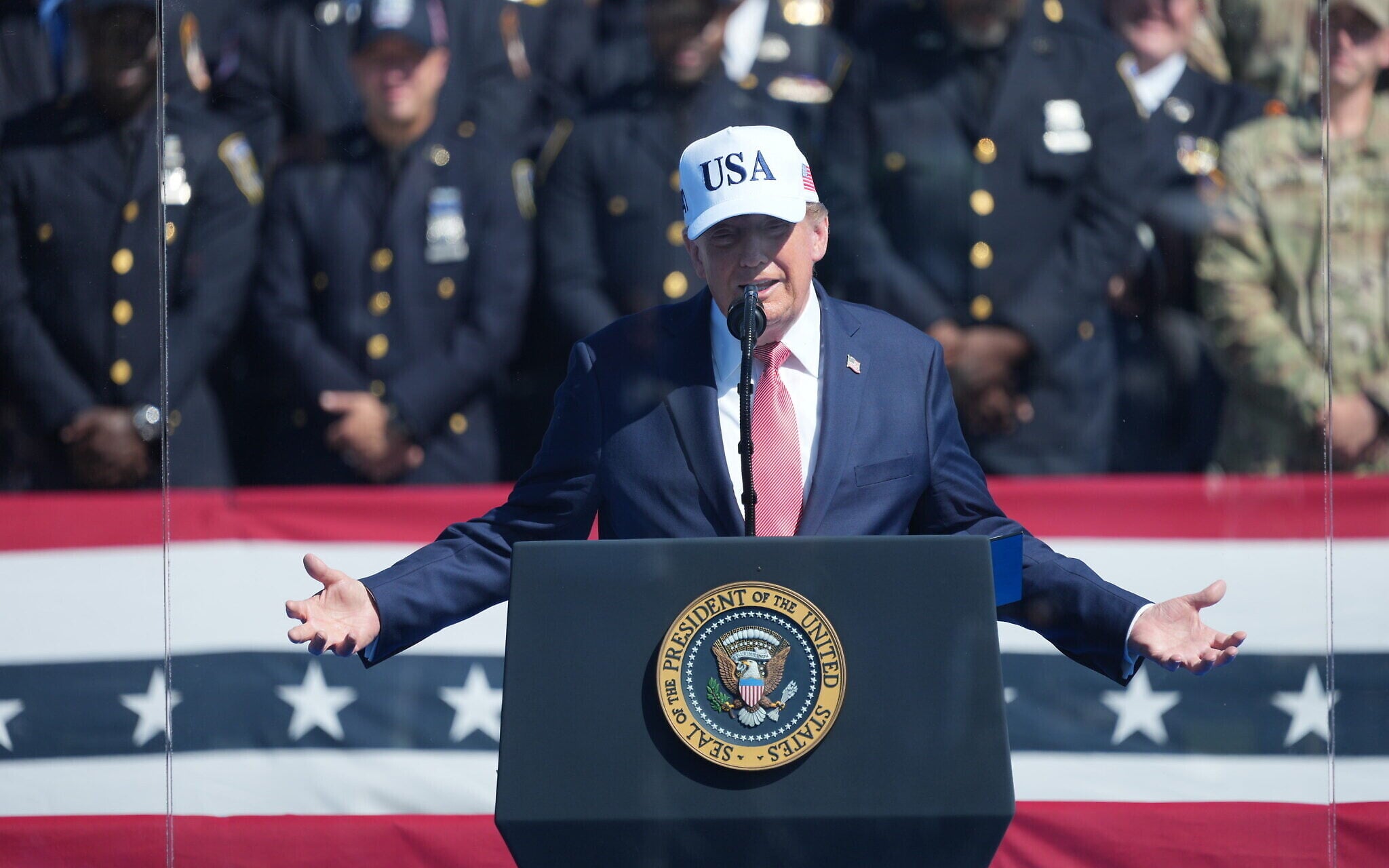
The revelation comes at a turbulent time for Middle Eastern diplomacy. The Trump administration is simultaneously drafting a comprehensive post-war Middle East blueprint aimed at long-term regional integration, reconstruction, and security architecture. Allowing European allies to discipline rogue elements within the West Bank may be part of a broader strategy to clear obstacles standing in the way of future regional normalization deals.
However, the reaction from Jerusalem has been swift and severe. In a related escalation, the Israeli government announced plans to shutter the UK consulate in Jerusalem, signaling deep displeasure with London's punitive measures. The tit-for-tat diplomatic maneuvers highlight the growing friction between traditional Western allies and the current Israeli cabinet over the future governance and status of the West Bank.
Concurrently, Israel has been busy cementing strategic alliances elsewhere. In a massive defense milestone, Israel and Greece recently inked a €3 billion defense agreement to bolster joint air defense capabilities, proving that while diplomatic tensions flare over settlement policies, Israel’s broader security partnerships in the Eastern Mediterranean remain ironclad.
Key Metrics at a Glance
| Metric / Event | Details | Strategic Significance |
|---|---|---|
| U.S. Stance on UK Sanctions | No formal opposition raised by the Trump administration. | Indicates subtle prioritization of regional stability over blanket defense of settlers. |
| Israeli Retaliation | Move initiated to shut down the UK consulate in Jerusalem. | Demonstrates deep government pushback against European intervention. |
| Broader Defense Deals | Israel and Greece finalize a €3 billion air defense contract. | Highlights ongoing robust military modernization despite diplomatic friction. |
What This Means for Markets and Policy
For investors, multinational corporations, and policy wonks tracking the Middle East, the lack of U.S. pushback against allied sanctions is a crucial data point. It suggests that Western capitals are increasingly willing to use targeted financial tools to police conduct in disputed territories without destabilizing broader bilateral trade and security frameworks.
As the Trump administration continues to finalize its post-war vision for the region, market watchers will be closely monitoring whether Washington adopts a similar posture toward upcoming European Union human rights initiatives or if this remains a singular diplomatic exception.
Frequently Asked Questions
Did the United States help draft the UK sanctions on Israeli settlers?
No. The sanctions were designed and implemented independently by the United Kingdom. However, British officials consulted Washington prior to the rollout, and the Trump administration chose not to oppose or block the measure.
How has the Israeli government responded to these developments?
The Israeli government strongly condemned the UK's actions, leading to diplomatic fallout that includes plans by Israel to shut down the British consulate in Jerusalem.