Executive Takeaways
- Structural Overhaul: President Donald Trump signed an executive order on May 19, 2026, directing the Federal Reserve and independent financial regulators to overhaul access criteria for central bank payment rails.
- The Master Account Battle: The directive commands the Fed to eliminate discretionary gatekeeping, forcing a streamlined framework for non-bank fintechs and digital asset institutions to secure direct Federal Reserve master accounts.
- Capital Liquidity Shift: The policy forces a reevaluation of systemic risk mitigation, threatening traditional banking gatekeepers while injecting unprecedented market liquidity into enterprise-grade crypto architecture.
- Constitutional Friction: The move sets up an immediate high-stakes legal showdown over the Fed’s traditional independence and its statutory mandate under the Federal Reserve Act of 1913.
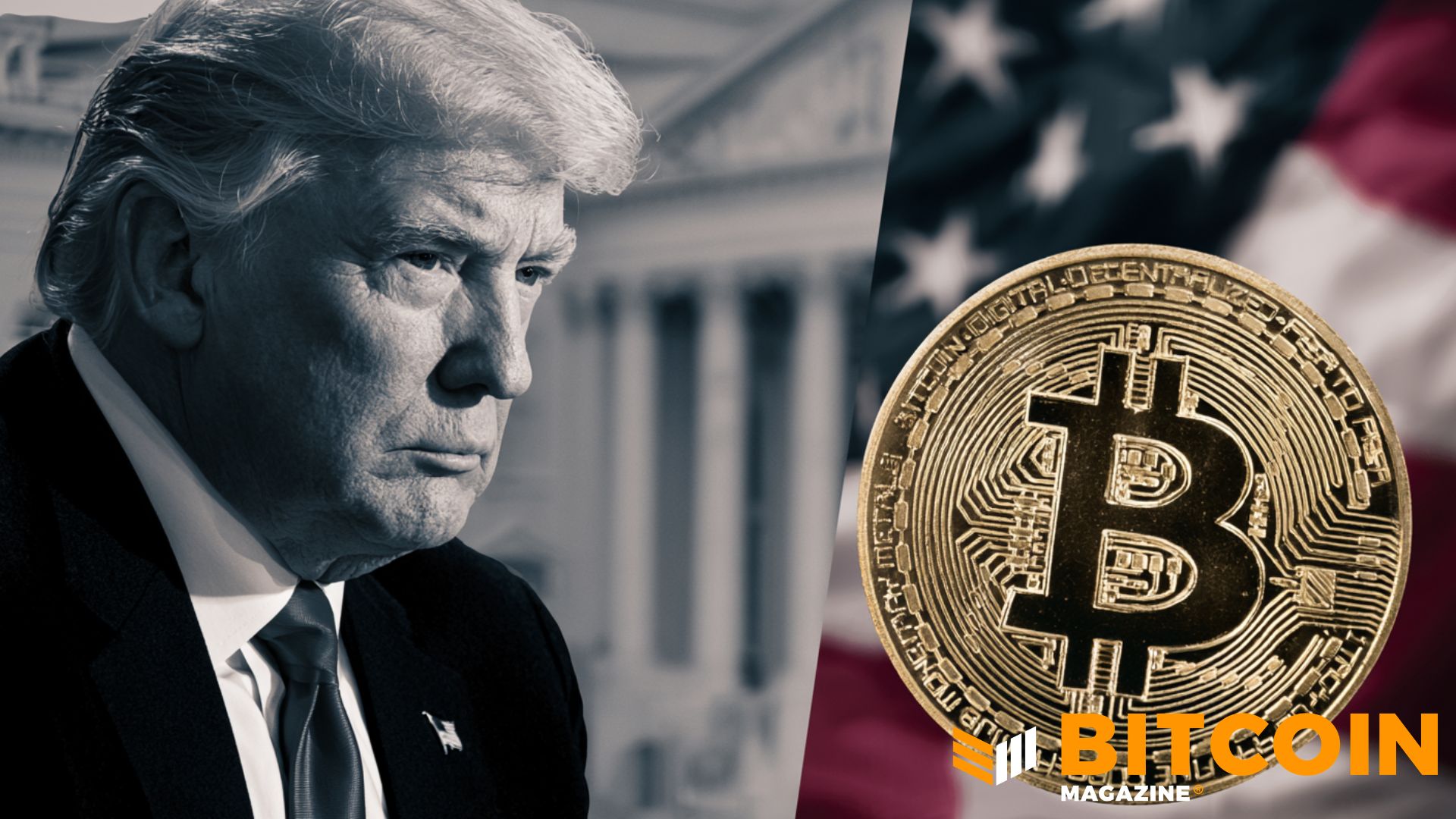
WASHINGTON — In a sweeping administrative challenge to the architecture of American central banking, President Donald Trump signed an executive order on May 19, 2026, commanding the Federal Reserve and primary financial regulators to dismantle legacy barriers and open federal payment rails to non-bank fintech innovators and digital asset firms. The directive, sourced through primary reporting channels on finance.biggo.com, marks the culmination of a multi-year ideological and structural war over who controls the plumbing of the global financial system.
For decades, access to the Federal Reserve’s master accounts and real-time payment settlement systems—such as Fedwire and FedNow—has been strictly restricted to depository institutions chartered as commercial banks. This regulatory bottleneck forced non-bank financial technology companies, payment processors, and crypto custodians to rely on intermediary sponsor banks. These traditional institutions have long leveraged their gatekeeper status to extract fees, dictate compliance mandates, and, critics argue, systematically throttle disruptive competitors.
The May 19 executive order fundamentally upends this dynamic. By demanding that the Board of Governors of the Federal Reserve System, the Office of the Comptroller of the Currency (OCC), and the Federal Deposit Insurance Corporation (FDIC) establish standardized, transparent, and non-discriminatory application protocols, the White House is forcing a paradigm shift in capital allocation, infrastructure scalability, and regulatory compliance across the United States financial ecosystem.
The Catalytic Events: Why Master Account Access Matters Now
The friction between the Federal Reserve and the digital asset sector is not new, but the velocity of institutional adoption has transformed a theoretical debate into an existential economic imperative. Over the past twenty-four months, enterprise-grade blockchain infrastructure, algorithmic stablecoins, and real-time cross-border settlement networks have scaled faster than traditional regulatory frameworks could adapt.
Fintech giants and digital asset market-makers have repeatedly found themselves locked out of direct central bank liquidity. This exclusion forces them to park reserve capital in commercial banks that are structurally vulnerable to liquidity shocks—a paradox that exposed systemic fragilities during the regional banking crises. When non-bank institutions lack direct access to Federal Reserve master accounts, they face counterparty risk, inflated transaction costs, and operational bottlenecks that degrade operational efficiency.
By compelling the Fed to evaluate master account applications based on objective, risk-adjusted criteria rather than bureaucratic discretion, the administration aims to slash friction costs. Industry analysts project that direct access will optimize capital allocation, compress valuation multiples for compliant fintech infrastructure providers, and drastically improve cloud compute architecture integration for instantaneous settlement.
Institutional Resistance and the Independence Dilemma
Predictably, the executive order has ignited an immediate constitutional and institutional firestorm. Central bank independence is a cornerstone of modern monetary policy, designed to insulate the nation's money supply and payment rails from short-term political cycles. Legal scholars and former central bankers argue that the executive branch is overstepping its statutory authority by dictating operational mandates to an independent agency created by Congress.
Federal Reserve officials have historically maintained that granting master accounts to non-bank entities—particularly those operating in the volatile digital asset ecosystem—poses severe risks to the stability of the national payment system. Central bankers cite complex challenges regarding anti-money laundering (AML) compliance, know-your-customer (KYC) protocols, and the ultimate safety of lender-of-last-resort backstops during a systemic liquidity crunch.
However, proponents of the executive order counter that the Fed’s historical foot-dragging has been weaponized as a tool of regulatory overreach. By slow-walking applications from novel financial institutions, the central bank has effectively shielded legacy financial institutions from disruptive competition, preserving an oligopolistic control over payment processing fees that costs American enterprises tens of billions of dollars annually.
Verified Data and Regulatory Metrics Breakdown
To contextualize the monumental shift triggered by the May 19 directive, the following comparative matrix outlines the operational divergence between the legacy banking framework and the newly mandated fintech-accessible infrastructure:
| Metric / Parameter | Legacy Banking Model | New Executive Order Mandate (May 2026) |
|---|---|---|
| Eligible Entities | Federally insured depository institutions & state-chartered banks. | Expands to qualified non-bank fintechs, payment processors, and crypto firms. |
| Application Review Timeline | Indefinite / Discretionary (often exceeding 24 to 36 months). | Strict statutory deadlines for transparent review and adjudication. |
| Intermediary Dependency | Mandatory reliance on sponsor commercial banks for payment rails. | Direct connection to Fedwire and FedNow settlement infrastructure. |
| Risk Mitigation Focus | Subjective institutional risk aversion and balance-sheet gatekeeping. | Standardized cybersecurity, capital reserve, and strict AML/KYC metrics. |
Industry & Market Implications: Winners and Losers
The macroeconomic ramifications of this directive will reverberate across global capital markets, reshaping competitive dynamics and forcing corporate balance-sheet restructuring.
The Winners
- Enterprise Fintech Platforms: Companies providing embedded finance, cross-border remittance, and B2B payment orchestration will experience dramatic margin expansion by eliminating intermediary sponsor bank fees.
- Compliant Digital Asset Issuers: Stablecoin operators and regulated crypto custodians gain direct legal certainty, allowing them to anchor reserves directly at the central bank, mitigating counterparty risks and bolstering enterprise ROI.
- Venture Capital and Private Equity: Investors targeting blockchain infrastructure, cloud compute architecture for finance, and regtech solutions will see accelerated exit valuations and enhanced market liquidity.
The Losers
- Sponsor Bank Oligopolies: Commercial banks that built lucrative business models around acting as middle-men for fintechs will face immediate top-line revenue contractions.
- Legacy Payment Networks: Traditional credit card networks and legacy clearinghouses face intensified competitive pressure from real-time, low-cost central bank settlement rails operating without commercial markups.
Frequently Asked Questions (People Also Ask)
What is a Federal Reserve master account, and why is it important?
A Federal Reserve master account is essentially a checking account held by an eligible financial institution at a regional Federal Reserve Bank. It grants direct access to the nation’s payment infrastructure—including Fedwire, FedNow, and automated clearing house (ACH) services—allowing institutions to settle transactions instantly without relying on commercial bank intermediaries.
Does this executive order bypass congressional authority?
The executive order directs regulatory agencies to interpret and execute existing statutory authorities through a pro-competition lens. However, it is expected to face immediate legal challenges regarding the separation of powers and the statutory independence granted to the Federal Reserve under the Federal Reserve Act.
How does this impact cryptocurrency and stablecoin issuers?
By opening master accounts to qualified digital asset firms, stablecoin issuers and crypto custodians can hold their underlying reserve assets directly at the central bank. This eliminates commercial bank hostility, reduces systemic risks during banking panics, and integrates digital assets deeper into mainstream financial plumbing.
What are the primary risk mitigation safeguards required by the order?
While forcing accessibility, the directive instructs regulators to enforce rigorous compliance standards, including mandatory capital adequacy reserves, bulletproof cybersecurity frameworks, and stringent anti-money laundering (AML) and know-your-customer (KYC) verifications.
Future Outlook and Key Milestones to Watch
As the financial markets digest the implications of the May 19 directive, attention shifts to the implementation phase. Over the next 90 to 180 days, the Federal Reserve Board of Governors, the OCC, and the FDIC must draft and publish updated rulemakings governing master account application procedures.
Key indicators to monitor include:
- Legal Filings: Anticipate immediate lawsuits from banking trade associations seeking preliminary injunctions against the executive order, setting up a high-stakes constitutional battle in the federal courts.
- Regulatory Guidance Drafts: Review forthcoming technical specifications regarding capital reserve requirements and cybersecurity thresholds for non-bank applicants.
- First-Wave Filings: Track which prominent fintech and crypto firms are first to formally submit updated master account applications under the newly standardized framework.
Ultimately, President Trump’s executive order represents a watershed moment in financial history. Whether viewed as a necessary modernization of obsolete central banking monopolies or an unprecedented encroachment on institutional independence, the policy guarantees that the future of money and payment rails will be defined by fierce competition, technological integration, and high-stakes legal combat.