Executive Takeaways
- Whiplash Recovery: Following a severe sell-off on Wednesday driven by Federal Reserve hawkishness, Wall Street indexes rebounded aggressively on Thursday, led by a 1.9% surge in the Nasdaq Composite.
- Geopolitical De-escalation: The surprise signing of a landmark peace accord between the United States and Iran fundamentally shifted macro sentiment, neutralizing lingering supply-side inflation fears tied to Middle Eastern crude supply disruptions.
- Semiconductor Dominance: Enterprise hardware scalability and robust AI-driven capital allocation fueled massive institutional buying across key semiconductor equities, insulating the broader tech sector from monetary tightening headwinds.
- Monetary Policy Reality Check: Despite the day’s equity rally, institutional desks confirm that the market is still actively pricing in aggressive interest rate hikes under newly minted Federal Reserve Chair Kevin Warsh.
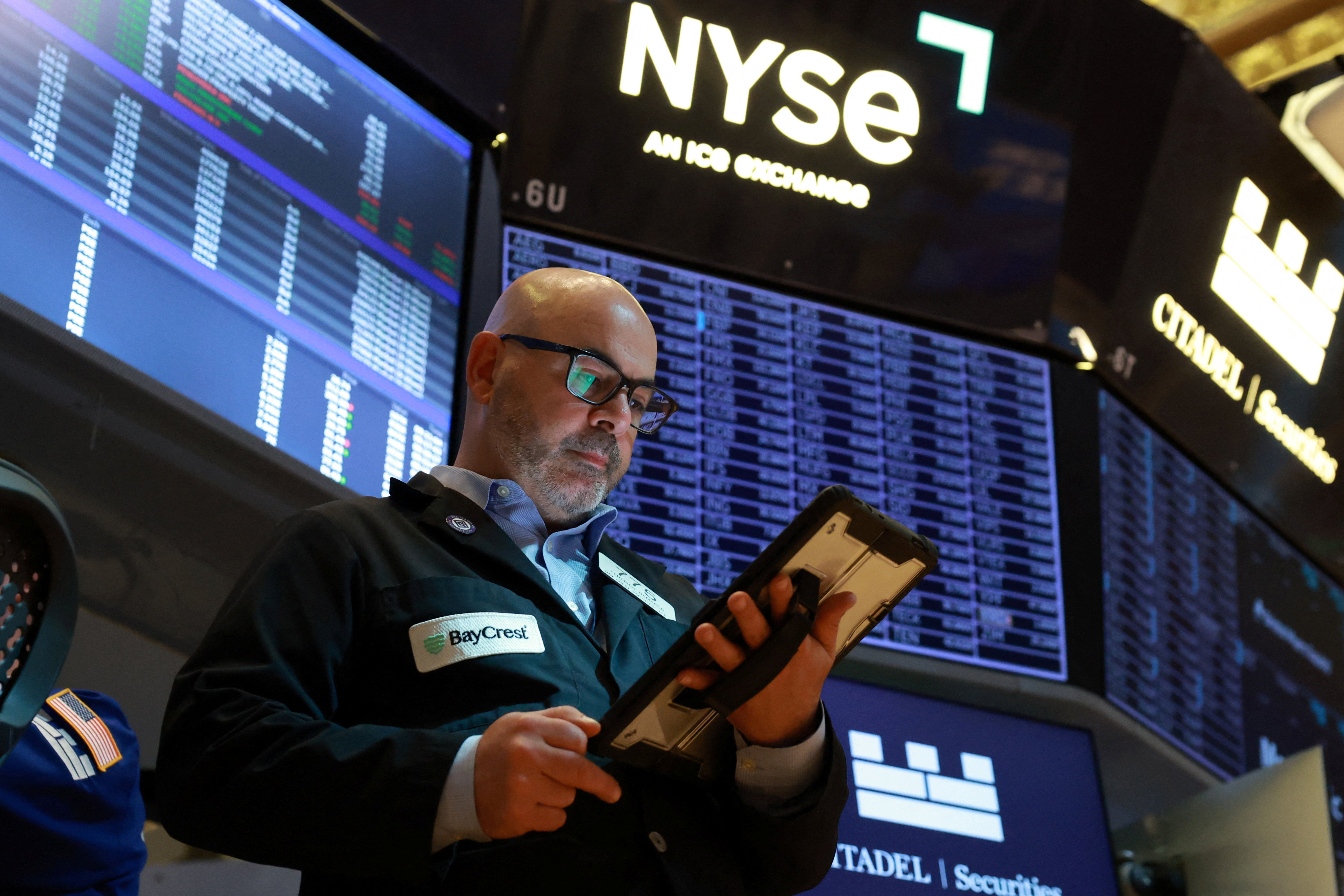
NEW YORK — In a textbook display of intraday market resilience and macro-economic whiplash, Wall Street staged a robust recovery on Thursday, June 18, 2026. The aggressive buying spree erased the heavy losses sustained just 24 hours prior. Driven by a potent combination of supply chain relief in the energy sector and insatiable institutional demand for high-performance computing infrastructure, major indices recaptured critical technical thresholds. The session underscored a complex tug-of-war between tightening monetary policy under the Federal Reserve and localized structural growth drivers within the technology sector.
The catalytic turnaround comes on the heels of a bruising Wednesday session. During that mid-week trade, all three major Wall Street benchmarks tumbled as institutional investors aggressively priced in the heightened probability of upcoming Federal Reserve rate hikes. That market apprehension was catalyzed by newly appointed Fed Chair Kevin Warsh, whose inaugural policy addresses signaled an uncompromising stance against sticky inflation. However, Thursday's market action proved that geopolitical catalysts and corporate enterprise spending trends can temporarily override monetary policy headwinds, providing a masterclass in modern capital allocation and risk mitigation.
The Anatomy of the Rebound: Chips and Geopolitics
The primary engine driving Thursday's market rally was the technology sector, specifically semiconductor equities. As enterprise clients accelerate their digital transformation initiatives and cloud compute architecture upgrades, semiconductor manufacturers continue to report unprecedented demand visibility. Institutional investors, looking past near-term valuation multiples, funneled billions back into chipmakers, treating pullbacks as high-conviction entry points.
Simultaneously, the macroeconomic landscape received an unexpected and profound structural gift from the geopolitical arena. The official signing of a bilateral peace agreement between the United States and Iran fundamentally altered global energy supply forecasts. For months, risk-management desks across major financial institutions had maintained a geopolitical risk premium embedded in crude oil futures, fearing that regional escalations would choke maritime trade routes through the Strait of Hormuz and trigger a fresh wave of cost-push inflation.
With the U.S.-Iran accord defusing immediate military and supply chain threats, Brent and WTI crude benchmarks retreated sharply. This downward pressure on energy costs acted as a natural dampener on headline inflation expectations. Consequently, equity investors found psychological and fundamental permission to re-engage with risk assets, temporarily muting the deflationary fears associated with higher borrowing costs.
Monetary Policy Realities Under Chair Kevin Warsh
Despite the celebratory tone on the trading floor following Thursday's closing bell, chief economists and fixed-income strategists warn that the fundamental monetary backdrop has undergone a permanent shift. The swift market reaction on Wednesday demonstrated that Wall Street is taking Federal Reserve Chair Kevin Warsh's policy framework very seriously.
Warsh, known for his historical skepticism toward prolonged quantitative easing and his hyper-focus on monetary discipline, has left little doubt that the central bank is prepared to utilize aggressive rate hikes if inflation metrics fail to track cleanly toward the 2% target. Corporate treasurers and institutional asset managers are actively recalibrating their cost-of-capital assumptions. Enterprise ROI thresholds must now account for a higher-for-longer interest rate environment, shifting executive focus away from speculative growth models toward robust balance sheet liquidity and operational efficiency.
This duality—buoyant tech earnings versus tightening monetary liquidity—defines the current market regime. While semiconductor infrastructure scalability continues to justify lofty valuations for market leaders, cyclical sectors remain acutely sensitive to the evolving Federal Reserve trajectory.
| Market Indicator / Metric | Wednesday Session (Sell-Off) | Thursday Session (Rally) | Primary Driving Catalyst |
|---|---|---|---|
| Nasdaq Composite | Sharp Decline | +1.9% Advance | Semiconductor equity surge & institutional buying |
| Energy / Crude Markets | Elevated Volatility | Downward Correction | U.S.-Iran peace accord easing supply fears |
| Federal Reserve Outlook | Priced for Aggressive Hikes | Rate Hike Expectations Maintained | Chair Kevin Warsh hawkish policy signaling |
| Market Sentiment | Risk-Off / Defensive | Risk-On / Tech-Led Recovery | De-escalation of global inflation catalysts |
Industry & Market Implications: Winners and Losers
Market rotations of this magnitude create distinct winners and losers across global financial ecosystems. Understanding these bifurcations is critical for portfolio managers and institutional allocators navigating mid-2026 market dynamics.
The Winners
- Semiconductor and Cloud Infrastructure Providers: Companies providing foundational hardware for artificial intelligence, enterprise computing, and data center scalability continue to exhibit pricing power and robust top-line growth, insulating them from macro headwinds.
- Global Energy Importers & Consumers: The de-escalation resulting from the U.S.-Iran accord reduces input costs for manufacturing, logistics, and transportation sectors, directly boosting corporate operating margins.
- Active Risk Managers: Institutional desks that utilized Wednesday's pullback to hedge long equity exposure or accumulate discounted growth assets captured immediate alpha during Thursday's snap-back.
The Losers and Vulnerable Segments
- Rate-Sensitive Small Caps: Companies reliant on short-term floating-rate debt face continuous margin compression as the Federal Reserve maintains its tightening bias under Chair Warsh.
- Speculative Growth Without Earnings: Early-stage tech firms lacking enterprise validation or positive cash flow struggle to justify their valuation multiples in an era where risk-free yields remain attractive.
- Energy Speculators: Short-term commodities traders positioned for prolonged geopolitical supply disruptions suffered significant losses following the sudden diplomatic breakthrough in the Middle East.
Frequently Asked Questions (People Also Ask)
Why did U.S. stock indexes rally on Thursday, June 18, 2026?
U.S. stock indexes rallied due to a powerful combination of robust buying in semiconductor equities—which drove the Nasdaq up 1.9%—and a sudden easing of inflation fears following the historic signing of a peace accord between the United States and Iran, which reduced crude oil supply risk premiums.
How did Federal Reserve Chair Kevin Warsh impact market sentiment?
Federal Reserve Chair Kevin Warsh impacted market sentiment by delivering hawkish policy signals emphasizing strict monetary discipline. This caused a broad market sell-off on Wednesday as investors aggressively priced in the likelihood of upcoming interest rate hikes to combat persistent inflation.
What role did semiconductor stocks play in the market recovery?
Semiconductor stocks served as the primary growth engine for the broader technology sector. Driven by unyielding enterprise demand for AI hardware and cloud compute infrastructure, institutional capital flowed heavily into chipmakers, helping offset macroeconomic monetary pressures.
What are the long-term economic implications of the U.S.-Iran peace accord?
The U.S.-Iran peace accord provides structural relief to global supply chains by removing major geopolitical risks associated with Middle Eastern crude oil transit. This de-escalation helps anchor long-term inflation expectations and supports stable operating margins for global enterprises.
Future Outlook and Key Milestones to Watch
As Wall Street closes the books on an eventful mid-June trading week, institutional focus pivots immediately toward upcoming macroeconomic data releases and corporate earnings guidance. The interplay between corporate technological innovation and central bank monetary tightening will remain the defining narrative for the remainder of 2026.
Market participants should closely monitor several critical milestones in the coming weeks:
- PCE Inflation Prints: The upcoming Personal Consumption Expenditures report will test whether easing energy prices are successfully filtering down into core consumer goods and services.
- Federal Reserve Open Market Committee (FOMC) Communications: Speeches and press conferences from Chair Kevin Warsh and regional Fed presidents will provide definitive clues regarding the timing and magnitude of anticipated rate hikes.
- Semiconductor Supply Chain Metrics: Forward-looking guidance from major fabless chip designers and foundries will confirm whether enterprise capital expenditure on artificial intelligence and cloud infrastructure remains insulated from macroeconomic tightening.
Ultimately, Thursday's rally proved that while monetary policy sets the overarching boundary conditions for asset valuations, structural corporate growth and geopolitical stability retain the immense power to drive aggressive, market-wide recoveries.