NEW YORK — Wall Street finished higher in a resilient trading session four days ago, powered by a aggressive resurgence in artificial intelligence enthusiasm and a stellar rally in technology titan Microsoft. Despite lingering macroeconomic headwinds, including the Federal Reserve’s recent interest rate hikes, investors aggressively rotated back into high-growth equities, signaling unwavering confidence in the long-term profitability of the AI sector.
The broader market recovery underscored a persistent market theme: structural growth narratives surrounding artificial intelligence continue to outweigh traditional monetary policy pressures. As traders crowded back into mega-cap technology names, major indices shrugged off broader economic anxiety, highlighting a bifurcated market where tech innovation remains the ultimate safe haven.
Market Snapshot & Performance Metrics
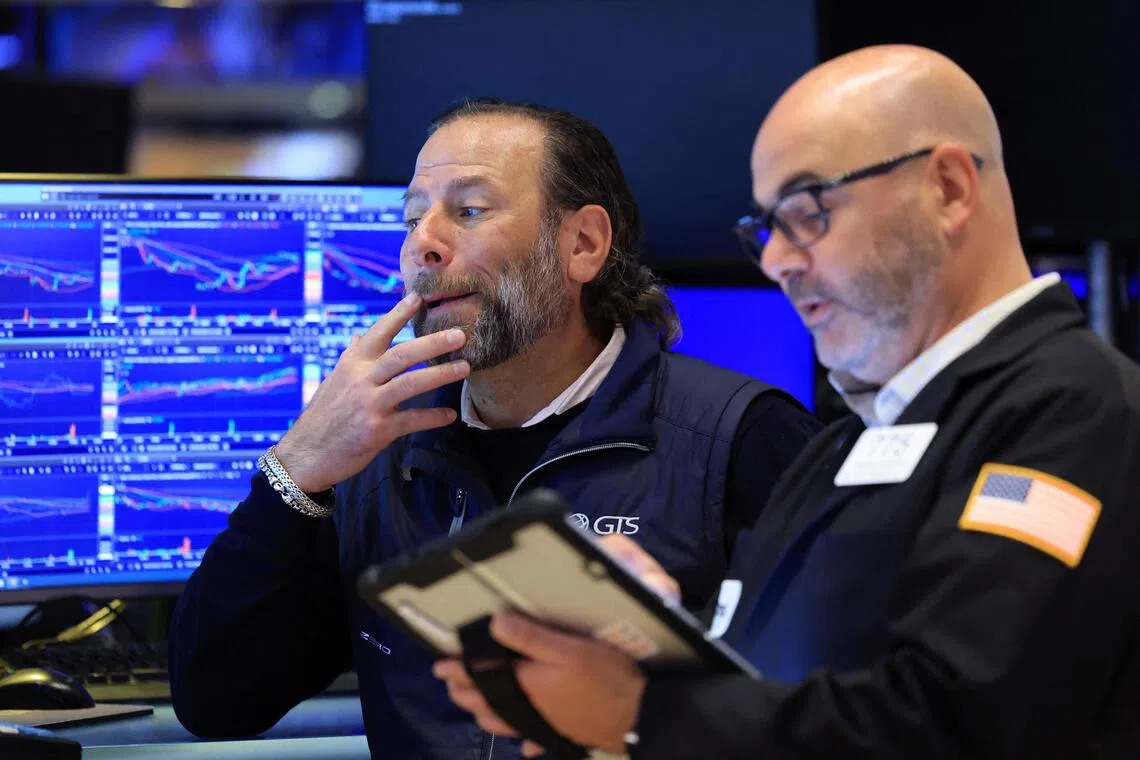
The renewed buying pressure was evident across major Wall Street benchmarks, with technology-heavy indices leading the charge. Traders on the floor of the New York Stock Exchange (NYSE) noted robust volume as institutional buyers stepped in following minor consolidation periods earlier in the week.
| Market Index / Asset | Direction | Key Driver |
|---|---|---|
| S&P 500 | Higher | Broad tech sector rotation & AI inflows |
| Nasdaq Composite | Outperformed | Heavy weighting in surging software & AI stocks |
| Microsoft (MSFT) | Rallied Strongly | Expanded enterprise AI monetization & cloud demand |
The AI Catalyst: Why Investors Are Doubling Down
The primary driver behind the session's gains was a renewed wave of capital allocation toward artificial intelligence infrastructure and application developers. Market participants are increasingly convinced that generative AI tools are transitioning from experimental enterprise novelties to foundational business necessities.
- Enterprise Monopolization: Major corporations are committing significant capital budgets to integrate AI capabilities into daily operations, ensuring predictable, recurring revenue for top-tier software providers.
- Hardware & Cloud Synergy: Semiconductor demand and cloud computing capacity remain at peak utilization levels, buoyed by the insatiable computational requirements of large language models.
- Resilience Against Rates: Even as the Federal Reserve maintains elevated borrowing costs to combat stubborn inflation, cash-rich technology giants are largely immune to high interest rates, making them attractive relative to debt-burdened sectors.
Microsoft Spearheads the Tech Charge
At the center of the rally was Microsoft Corporation, which saw its shares surge following renewed bullish analyst sentiment and growing enterprise adoption of its AI-infused ecosystem. Wall Street analysts point to the company’s strategic integration of AI assistants across its Azure cloud platform and productivity suites as a masterclass in monetization.
"Microsoft continues to execute at an elite level, turning the AI hype cycle into tangible, balance-sheet-boosting revenue," said senior equity strategist Marcus Vance. "When investors look at large-cap tech right now, they want execution, cash flow, and a clear AI roadmap. Microsoft checks every single box."
Competitors across the technology sector also enjoyed sympathetic tailwinds, as market sentiment lifted the entire ecosystem, proving that a rising tide in AI continues to lift all major technological boats.
Navigating Macro Pressures: The Fed Factor
The day's positive momentum was particularly striking given the macroeconomic backdrop. The Federal Reserve's aggressive monetary tightening cycle—highlighted by recent benchmark interest rate hikes aimed at cooling the broader economy—has historically posed a threat to growth-oriented equity valuations.
Higher interest rates typically compress the present value of future corporate earnings, which disproportionately impacts high-valuation technology stocks. However, the market’s willingness to look past monetary policy tightening demonstrates that corporate earnings power in the AI sector is currently perceived as a powerful enough offset to weather higher borrowing costs.
Global Ripples and Cross-Border Sentiment
The optimism on Wall Street contrasted sharply with economic anxieties bubbling up in neighboring international markets. Concurrently, Canadian consumers and business leaders have voiced escalating frustration over new trade policies and proposed tariffs floated by the Trump administration, introducing a layer of cross-border economic friction.
Furthermore, rapid advancements by competitors in the generative space—such as Meta’s newly unveiled Muse image-generation and creative tools—continue to intensify the corporate arms race. This competitive pressure, rather than deterring investors, has galvanized them, proving that the corporate race for AI dominance is accelerating rather than slowing down.
Outlook: What Wall Street Expects Next
As the market digests these latest gains, institutional investors are turning their attention to upcoming corporate earnings reports and key inflation metrics. While near-term volatility remains guaranteed given the Federal Reserve's data-dependent stance, the structural floor provided by AI integration suggests that dips will continue to be aggressively bought by institutional funds.
For now, Wall Street has delivered a clear verdict: the artificial intelligence revolution is no longer a speculative trade, but the primary engine driving modern equity market performance.
Frequently Asked Questions
Why did Wall Street close higher despite recent Federal Reserve interest rate hikes?
While higher interest rates generally pressure growth stocks by increasing borrowing costs, investors heavily prioritized the explosive revenue growth and cash-flow dominance of AI leaders like Microsoft. The market determined that corporate earnings driven by artificial intelligence innovation outweighed macroeconomic monetary headwinds.
Which stock led the recent Wall Street rally, and why?
Microsoft spearheaded the rally due to strong enterprise adoption of its cloud services and successful commercialization of artificial intelligence tools integrated across its software suite, reinforcing its position as a dominant force in the tech sector.