Executive Takeaways
- The Rebound Narrative: Following a severe multi-session drawdown driven by aggressive profit-taking and tightening monetary anxiety, the Nasdaq Composite and S&P 500 engineered a robust relief rally, led predominantly by semiconductor and hyperscaler artificial intelligence (AI) equities.
- Valuation Realities & Capital Allocation: Institutional investors used the correction to reassess entry points, shifting away from speculative retail plays toward balance-sheet-heavy enterprise tech with verified AI monetization pipelines.
- Macroeconomic Crosscurrents: Bond market volatility, sticky core inflation prints, and shifting Federal Reserve rate-cut expectations continue to dictate market liquidity and sector rotation dynamics.
- Infrastructure Resilience: Despite fears of capital expenditure (CapEx) fatigue, cloud compute architecture and semiconductor supply chains remain heavily bottlenecked by sustained enterprise demand.
NEW YORK — Wall Street delivered a textbook display of volatility this week, transitioning rapidly from an acute risk-off rout to an aggressive, liquidity-driven recovery. The Nasdaq Composite and the benchmark S&P 500 staged a sharp rebound following one of the most punishing weekly sell-offs of the quarter. At the epicenter of both the prior week's carnage and the subsequent relief rally were the high-flying artificial intelligence stocks that have served as the primary engine—and vulnerability—of the modern bull market.
The swift reversal underscores a broader institutional reality: while structural concerns regarding valuation multiples, regulatory compliance, and enterprise return on investment (ROI) are intensifying, long-term capital allocators remain unwilling to abandon structural secular growth themes. As portfolio managers rebalance ahead of the final fiscal quarter, the market's trajectory relies heavily on corporate earnings resilience, macroeconomic data releases, and the pace of central bank monetary easing.
Anatomy of a Brutal Week: Catalysts Behind the Correction
Test Our Free AI & Tech Utilities Suite
Calculate LLM API token costs, analyze article dwell-time, or simulate tech DCA returns.
To understand the mechanics of the current rebound, one must dissect the anatomy of the preceding rout. The downturn was not born of a single headline, but rather a confluence of macro headwinds and micro valuation strains. For months, strategists at major Wall Street institutions warned that equity markets had priced in a flawless economic soft landing alongside unbridled generative AI adoption.
The breaking point arrived when a combination of sticky inflation indicators and hawkish rhetoric from Federal Reserve officials forced bond yields upward. As the 10-year U.S. Treasury yield climbed toward multi-month highs, the risk-free rate of return challenged equity risk premiums. Growth-oriented technology companies—whose valuations depend on discounted cash flows projected far into the future—bore the immediate brunt of the adjustment.
Compounding the macro pressure was heavy profit-taking among institutional accounts. High-frequency trading models and systematic momentum funds triggered stop-loss thresholds across major AI bellwethers. Semiconductor manufacturers, server infrastructure providers, and mega-cap platform companies experienced aggressive block-trade liquidations. The market was suddenly forced to confront critical questions regarding capital expenditure efficiency and whether hyperscalers—such as Microsoft, Alphabet, Amazon, and Meta Platforms—were overbuilding data center capacity relative to near-term enterprise software monetization.
The Pivot: Why Buyers Stepped Back In

The brutal week, however, proved to be a classic institutional shakeout rather than a structural bear-market initiation. As equity indices tested key technical support levels—particularly the 50-day moving averages on the S&P 500 and Nasdaq—value-seeking institutional buyers stepped back into the fray.
The catalyst for the rebound was twofold. First, dip-buying algorithms combined with discretionary macro funds recognized that the underlying operational fundamentals of top-tier technology firms remained intact. Subsequent earnings readouts and enterprise cloud growth metrics confirmed that corporate IT spending on artificial intelligence infrastructure was not abating. Chief Information Officers (CIOs) across the Fortune 500 continue to prioritize digital transformation, migrating legacy enterprise workloads to cloud compute architecture designed for large language model (LLM) training and inference.
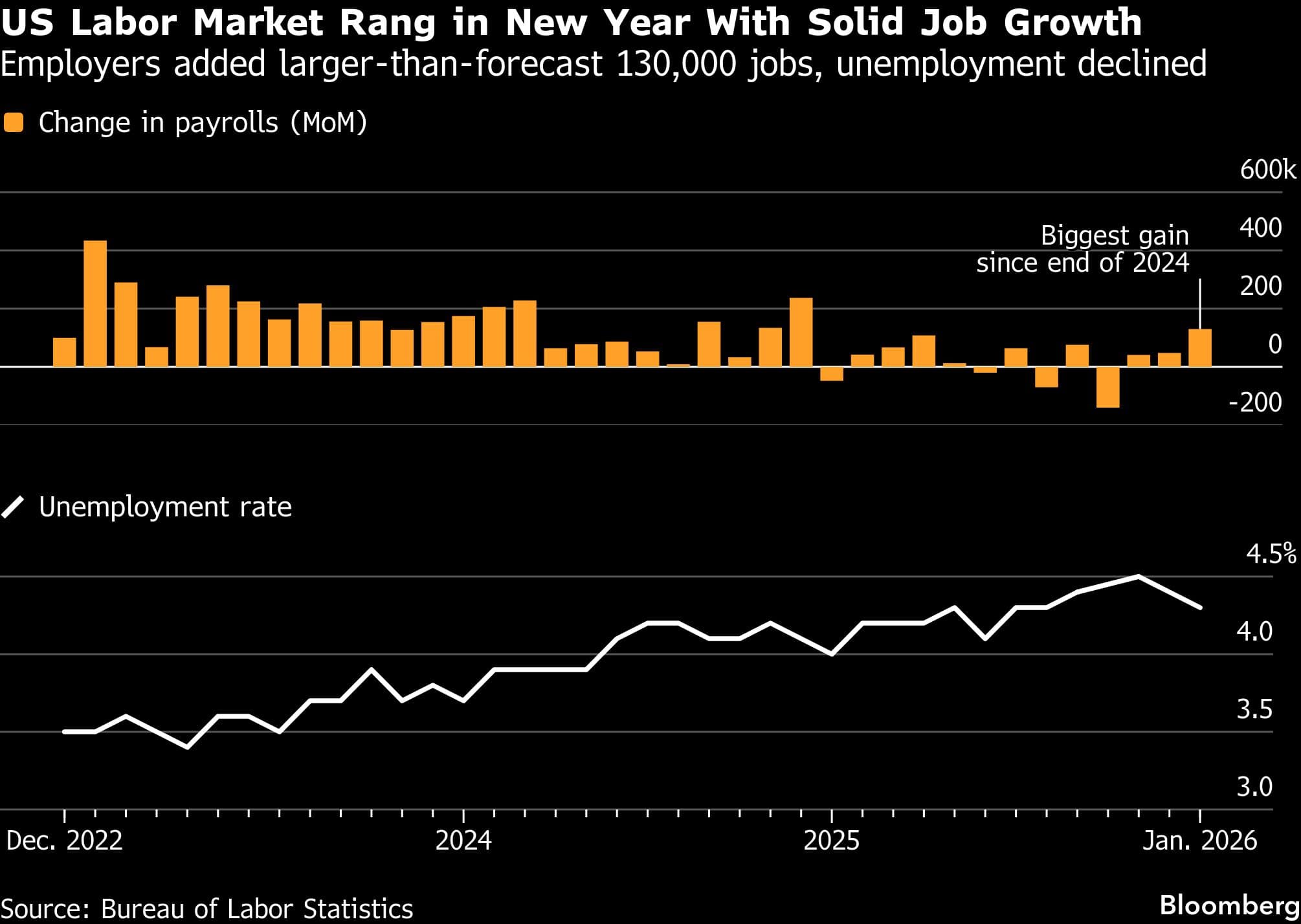
Second, macroeconomic fears moderated slightly as subsequent labor market and retail sales data suggested the consumer economy remains resilient without overheating. This renewed confidence in a potential macroeconomic soft landing emboldened portfolio managers to deploy sideline cash, triggering a sharp short squeeze across heavily shorted semiconductor and software equities.
Market Metrics Breakdown
The following table illustrates the performance shift between the recent market drawdown and the subsequent recovery phase across key market indices and core artificial intelligence equities:
| Index / Asset Class | Prior Week Drawdown (%) | Rebound Recovery (%) | Primary Market Driver |
|---|---|---|---|
| Nasdaq Composite | -4.2% | +2.8% | Mega-cap tech buy-the-dip institutional flows |
| S&P 500 Index | -3.1% | +2.1% | Broad-based sector rotation into defensives and tech |
| Leading AI Semiconductor Maker | -7.8% | +5.4% | Supply chain durability and persistent data center demand |
| Cloud Hyperscaler Basket | -5.0% | +3.2% | Enterprise cloud migration and generative AI monetization |
Industry & Market Implications: Winners, Losers, and Systemic Risk
The divergence in market behavior during this volatile cycle highlights distinct winners and losers across the financial landscape. Institutional risk mitigation strategies are currently pivoting toward companies exhibiting strong free cash flow generation and pricing power, leaving highly leveraged, pre-revenue technology firms vulnerable to ongoing capital scarcity.
- Winners: Vertically integrated semiconductor designers, specialized data center real estate investment trusts (REITs), and enterprise software providers demonstrating tangible operational cost savings from AI implementation. These entities command robust pricing power and benefit directly from sustained multi-year capital expenditure programs.
- Losers: Speculative hardware startups, unprofitable software-as-a-service (SaaS) providers lacking clear AI differentiation, and commercial real estate sectors burdened by high debt refinancing costs. These assets continue to experience structural capital outflows as institutional investors concentrate liquidity in mega-cap bellwethers.
- Broader Economic Impact: The concentration of market capitalization in a handful of technology giants remains a double-edged sword for systemic stability. While these firms provide robust earnings contributions to the S&P 500, any synchronized downturn in technology valuations creates disproportionate wealth effects, influencing consumer confidence and institutional portfolio rebalancing globally.
Frequently Asked Questions (People Also Answered)
What caused the sudden sell-off in AI stocks and major stock indices?
The correction was triggered by a convergence of macroeconomic and valuation pressures. Rising U.S. Treasury yields, driven by sticky inflation prints and shifting Federal Reserve rate expectations, elevated borrowing costs and challenged equity valuations. Simultaneously, institutional investors locked in profits following an extended rally, raising concerns over near-term capital expenditure efficiency and enterprise AI software monetization timelines.
Are current AI stock valuations sustainable long-term?
Valuation sustainability depends heavily on verified enterprise ROI and continued top-line revenue growth from cloud and semiconductor providers. While headline multiples remain elevated compared to historical averages, major industry leaders are backed by substantial operating cash flows, pristine balance sheets, and structural demand moats that differentiate them from previous technology bubbles.
How should retail and institutional investors approach market volatility moving forward?
Financial strategists recommend rigorous risk mitigation, focusing on balance-sheet strength, diversified sector allocation, and adherence to disciplined capital allocation frameworks. Rather than chasing short-term momentum, institutional managers advise dollar-cost averaging into market leaders with proven enterprise monetization strategies and resilient supply chain positions.
What role do Federal Reserve monetary policies play in technology stock rallies?
Monetary policy dictates market liquidity and the discount rates applied to future corporate earnings. Anticipation of interest rate cuts lowers the cost of capital and increases the present value of growth-oriented technology assets, while unexpected hawkish pivots trigger immediate compression in valuation multiples.
Future Outlook: Key Milestones and Catalysts to Watch
As the market digests the recent rebound, attention immediately pivots to upcoming catalysts that will dictate whether the recovery sustains momentum or gives way to renewed consolidation. Wall Street's chief investment officers are closely monitoring several critical markers:
First, corporate earnings guidance for the upcoming quarters will provide definitive empirical data regarding enterprise IT spending budgets. Wall Street will scrutinize commentary from cloud computing providers and enterprise software executives regarding customer adoption rates for generative AI tools. Any sign of budget fatigue or elongated sales cycles could trigger swift downward revisions to forward estimates.
Second, upcoming macroeconomic releases—specifically the Consumer Price Index (CPI), Personal Consumption Expenditures (PCE) price index, and non-farm payroll reports—will dictate the Federal Reserve's rate-cut trajectory. A benign inflation environment combined with a resilient labor market will provide the optimal backdrop for equity market expansion, whereas re-accelerating inflation would likely reintroduce bond market volatility.
Ultimately, while the recent brutal week served as a stark reminder of the inherent volatility governing modern equity markets, the swiftness of the rebound demonstrates that secular growth themes remain deeply entrenched. For institutional investors navigating this complex terrain, disciplined risk management, rigorous fundamental analysis, and selective capital allocation will remain the defining tenets of successful portfolio management through the remainder of the fiscal year.