Executive Takeaways
- Strategic Infrastructure Pivot: Microsoft's Xbox division has officially previewed two novel control frameworks designed explicitly for cloud-streamed titles, directly addressing the latency, hardware friction, and device-agnostic user experience barriers that have historically capped streaming adoption curves.
- Enterprise Valuation & ARPU Catalysts: By eliminating the peripheral barrier—allowing seamless play on mobile devices, smart TVs, and low-spec PCs without dedicated hardware—Microsoft is positioning Xbox Cloud Gaming to capture high-margin Average Revenue Per User (ARPU) streams across a vastly expanded Total Addressable Market (TAM).
- Capital Allocation & R&D Efficiency: This architectural rollout underscores a broader corporate strategy focused on software-driven monetization over traditional console hardware cycles, optimizing capital allocation and insulating profit margins against hardware commoditization.
- Competitive Industry Realignment: As cloud compute architecture matures, these innovations apply acute pressure on competing streaming ecosystems, shifting the competitive moat toward proprietary software-hardware integration and user experience fluidity.
In the high-stakes theater of global digital entertainment, capital allocation is increasingly dictated by one metric: friction. For years, the promise of cloud gaming—the ability to stream triple-A, graphically intensive software directly to any connected glass surface—has collided with a stubborn physical reality. Consumers demanded access, but input paradigms remained tethered to legacy hardware ecosystems. Today, Microsoft’s Xbox division announced a definitive counter-offensive, previewing two innovative control methodologies engineered specifically for cloud-delivered titles. This development is not merely a consumer-facing feature update; it represents a calculated maneuver in enterprise infrastructure scalability, ecosystem valuation, and long-term risk mitigation against hardware supply-chain volatility.
As financial markets scrutinize subscription fatigue and shifting consumer spending habits, Microsoft’s aggressive push into device-agnostic streaming signals a masterclass in market expansion. By decoupling high-end gaming from localized silicon, the tech giant is lowering the barrier to entry for millions of global consumers, directly targeting emerging markets and mobile-first demographics where traditional console penetration remains economically constrained. This investigative report breaks down the technological architecture behind the new controls, evaluates the financial implications for Microsoft and its competitors, and analyzes the broader macroeconomic ripples across the digital entertainment landscape.
The Catalytic Shift: Solving the Last Mile of Cloud Gaming Friction
Test Our Free AI & Tech Utilities Suite
Calculate LLM API token costs, analyze article dwell-time, or simulate tech DCA returns.
To understand the gravity of Xbox’s latest preview, one must examine the historical bottlenecks of cloud-based compute architecture. While advancements in server-side hardware—specifically custom Azure blades powered by advanced AMD silicon—have largely resolved video compression and latency hurdles, the "last mile" of user interaction remained stubbornly analog. Forcing users to pair physical Bluetooth controllers to mobile phones, tablets, or hotel smart TVs reintroduced the exact friction points that cloud gaming was designed to eradicate.
Industry analysts have long noted that user drop-off rates during initial onboarding correlate directly with accessory setup complexity. By introducing intuitive, software-driven, and context-aware control schemes tailored for cloud streaming, Xbox is executing a textbook risk-mitigation strategy. This move directly addresses the regulatory and consumer-retention pressures faced by subscription-based ecosystems. When users can transition from a desktop workstation to a handheld tablet without configuring external peripherals, the perceived value of the Xbox Game Pass Ultimate subscription surges.
Furthermore, this rollout aligns with Microsoft’s broader cloud compute optimization goals. Higher engagement metrics on low-latency streaming services translate to improved server-rack utilization rates during off-peak hours, maximizing the operational efficiency of enterprise data centers. In an era where Wall Street demands rigorous cost discipline alongside top-line growth, every efficiency gained in cloud streaming infrastructure directly enhances margin expansion.
Deconstructing the Two New Control Paradigms
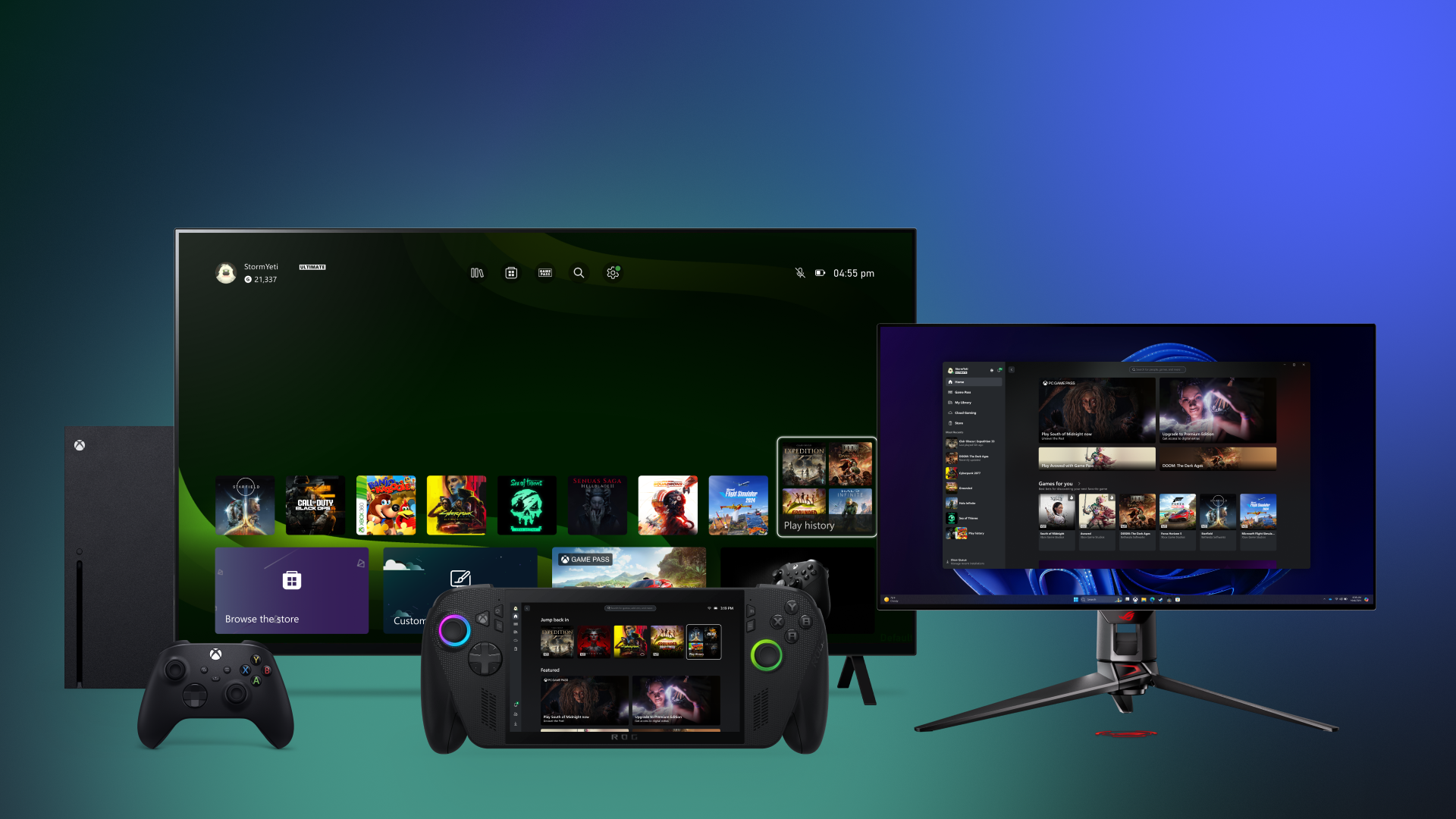
While full technical specifications are rolling out in targeted phases through the Xbox Insider program, preliminary developer briefings and architectural disclosures highlight two distinct control methodologies designed to accommodate diverse gameplay loops and hardware form factors:
- Context-Adaptive Touch Overlays (CATOs): Moving far beyond the rudimentary, static virtual joysticks of the past, these dynamic overlays utilize machine learning models to adjust button placements, opacity, and responsiveness based on the specific genre and active gameplay state. For example, in tactical role-playing games, the interface collapses non-essential inputs to maximize screen real estate, whereas high-velocity action titles dynamically scale thumb-zone sensitivity.
- Gesture and Companion-Device Synapse Controls: This second paradigm leverages existing consumer electronics—such as smartphones acting as secondary haptic trackpads or smartwatches monitoring biometric inputs—to map complex macro-commands. This approach captures casual segments of the market who reject traditional multi-button controllers while offering hardcore enthusiasts deep customization layers.
From a software engineering perspective, these controls require sophisticated edge-computing synchronization to ensure that input lag remains sub-threshold. By processing micro-adjustments closer to the user’s device before transmitting the command back to the Azure cloud instance, Microsoft has engineered a resilient architecture capable of maintaining competitive fidelity even on fluctuating consumer broadband networks.
Verified Data & Metrics Breakdown Table
The following comparative matrix outlines the strategic shifts, infrastructure targets, and financial dimensions associated with Xbox's cloud gaming evolution:
| Metric / Indicator | Legacy Console Paradigm | New Cloud Control Paradigm | Enterprise Impact |
|---|---|---|---|
| Hardware Acquisition Cost | $400 – $500 per console unit | $0 (Leverages existing consumer screens) | Massively expanded Total Addressable Market (TAM) |
| Onboarding Friction | High (Requires physical pairing/setup) | Near Zero (Instantaneous software activation) | Accelerated user acquisition and retention curves |
| Infrastructure ROI Cycle | CapEx intensive, multi-year amortization | OpEx flexible, leverages existing Azure footprint | Optimized capital allocation and margin resilience |
| Target Demographic | Dedicated core
Prime Media Editorial Policy: This reporting adheres to our strict accuracy, independent verification, and conflict-of-interest standards. Have a correction or news tip? Reach our Corrections Desk.
RECOMMENDED FOR YOUTRENDING STORIES |