Blood Gold: 37 Miners Die in Nigerian Police Custody, Igniting Violent Protests and Jeopardizing $700B Mineral Ambitions
The tragic death of 37 informal miners in Nigerian police custody has sent shockwaves through the West African nation, triggering explosive street protests, exposing deep-seated human rights failures, and dealing a severe blow to President Bola Tinubu’s aggressive strategy to attract foreign direct investment into the country's unexploited $700 billion solid minerals sector.
The victims, largely artisanal miners arrested during a federal sweep against alleged "illegal mining" in the mineral-rich North-Central region, reportedly died under highly suspicious circumstances in overcrowded detention facilities. The incident has instantly transformed a local law-enforcement operation into a national human rights crisis and an economic liability for a government desperate to diversify its oil-dependent economy.
Executive Summary: The Crisis at a Glance
- The Incident: 37 artisanal miners have died in state custody following a sweeping law-enforcement raid targeting unlicensed gold and lithium mining operations.
- The Public Backlash: Violent protests have erupted in several mining hubs, with demonstrators blocking critical supply corridors and demanding accountability from federal police authorities.
- Economic Fallout: The tragedy threatens to derail Nigeria's campaign to position itself as a safe, ethical, and ESG-compliant destination for global mining conglomerates.
- Geopolitical Stakes: Analysts warn that heavy-handed crackdowns could push desperate artisanal miners into the arms of regional bandit syndicates, further destabilizing resource-rich corridors.
The Fatal Crackdown: From Pit to Police Cells
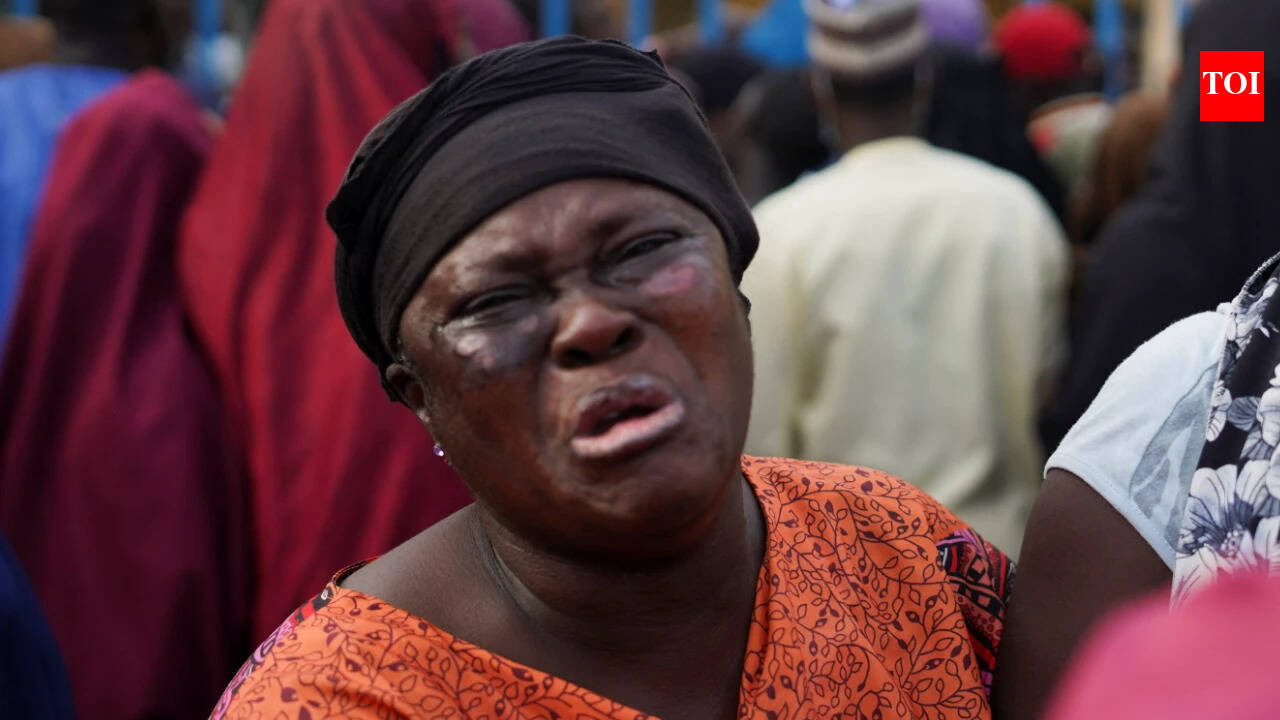
According to local administrative sources and human rights monitors, the miners were detained in early October during a joint military-police task force operation aimed at clearing unlicensed extraction sites. The federal government has recently intensified its crackdown on artisanal and small-scale mining (ASM), which it blames for environmental degradation, revenue leakage, and fueling insecurity.
However, the humanitarian cost of this crackdown has now overshadowed its regulatory objectives. The 37 detainees were reportedly held in a severely congested detention center. Independent medical workers and local advocacy groups allege that the victims succumbed to a lethal combination of extreme heat exhaustion, severe dehydration, lack of medical attention, and suspected physical abuse.
"We saw healthy men carted away in the back of security trucks," said Ibrahim Mailafia, a local community leader in Niger State. "Two weeks later, we are receiving their bodies. This is not regulation; this is state-sponsored execution of poor citizens trying to feed their families."
Outrage on the Streets: Mining Communities Ignite
News of the mass custody deaths quickly sparked intense anger. In regional mining hubs across Niger, Kaduna, and Zamfara states, thousands of youths, artisanal miners, and grieving relatives took to the streets. Protesters erected burning barricades across major transit highways, disrupting logistics for several commercial enterprises.
In some areas, angry mobs targeted government property, demanding the immediate arrest of the commanding officers responsible for the detention facilities. Security forces responded with tear gas and live ammunition fired into the air, leading to further casualties and escalating an already volatile situation. The civil unrest highlights the deep disconnect between the federal government's high-level mineral policies and the survival struggles of local populations reliant on informal mining.
The WSJ/ET Angle: A Blow to Nigeria’s Conflict-Free Mineral Ambitions
For global investors, the tragedy introduces significant jurisdictional risk. Under Minister of Solid Minerals Development Dele Alake, Nigeria has embarked on a global roadshow—from London to New York and New Delhi—to market its vast deposits of gold, lithium, coal, limestone, and iron ore. Crucial to this pitch is the promise of a sanitized, highly regulated, and ethically sound mining environment.
However, the custody deaths directly clash with the stringent Environmental, Social, and Governance (ESG) standards required by major Western and Asian mining corporations. This incident risks branding Nigerian minerals as "conflict-affected," which could deter institutional capital and leave the sector vulnerable to predatory, less-regulated actors.
| Key Metric | Details & Figures | Strategic Impact |
|---|---|---|
| Fatalities in Custody | 37 Confirmed Deaths | Triggers severe human rights scrutiny and local civil unrest. |
| Primary Resources Targeted | Gold, Lithium, Tantalite | Disrupts the supply chains of critical transition minerals. |
| Nigeria's Estimated Mineral Wealth | $700 Billion (Valuation) | Attraction of foreign capital slowed by rising ESG risks. |
| Key Protest Hotspots | Niger State, Zamfara, Abuja Outskirts | Logistical blockades threaten regional transit and trade. |
A Clash of Narratives: Human Rights vs. State Security
While local communities accuse security agencies of extrajudicial neglect and brutality, the police leadership has offered a defensive narrative. In an official statement, a federal police spokesperson claimed that many of the detained individuals were suffering from pre-existing health conditions and that the facility's medical unit had been overwhelmed.
Human rights organizations have flatly rejected this explanation. Amnesty International Nigeria issued an urgent appeal demanding an independent judicial inquiry. "The excuse of pre-existing conditions is a familiar shield used to cover up custodial negligence and torture," the organization stated. "A transparent, third-party autopsy must be conducted immediately, and the officers in charge must be held criminally responsible."
As protests show no signs of abating, the federal government faces a delicate balancing act. To restore investor confidence and social peace, President Tinubu’s administration must swiftly address the systemic failures of its security apparatus while reforming its mineral formalization strategy to integrate, rather than criminalize, the nation’s millions of informal miners.
Frequently Asked Questions (FAQ)
Why are artisanal miners being arrested in Nigeria?
The Nigerian government is cracking down on artisanal and small-scale mining (ASM) to combat tax evasion, prevent environmental damage, and sever the alleged financial links between unlicensed mining operations and regional banditry. The state is attempting to force informal miners into registered cooperatives to formalize the sector.
How does this tragedy affect foreign investment in Nigeria's mining sector?
The custody deaths and subsequent protests raise significant ESG (Environmental, Social, and Governance) red flags for international mining conglomerates. Investors are highly sensitive to human rights abuses and civil instability, meaning this crisis could stall major investment deals and increase the risk premium for operating in Nigeria.