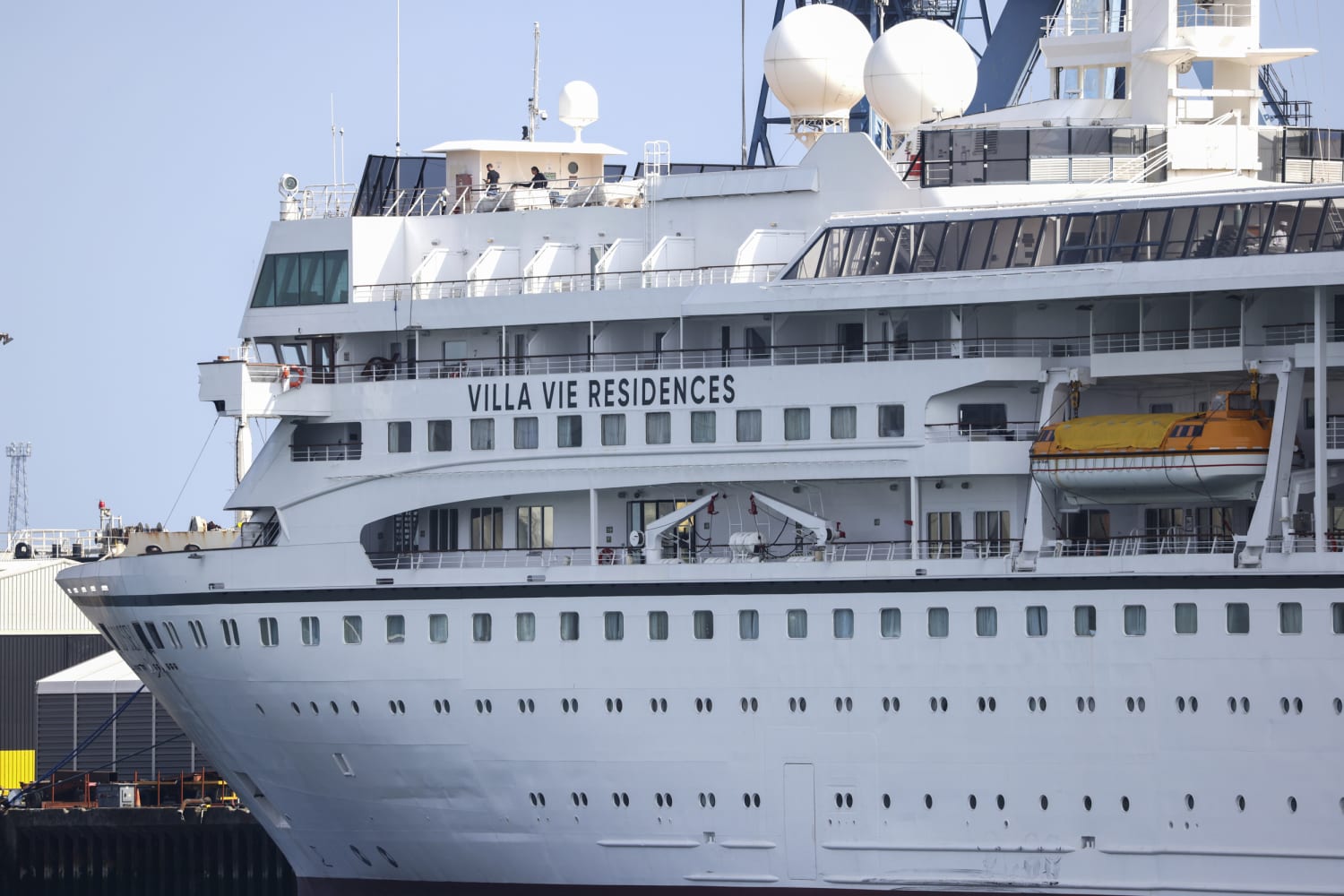
Stranded at Sea: How Volatile Fuel Markets and Broken Capital Structures Drove Luxury Cruise Ship Residents Ashore in Cambodia
Test Our Free AI & Tech Utilities Suite
Calculate LLM API token costs, analyze article dwell-time, or simulate tech DCA returns.
Executive Takeaways
- Capital Misallocation: The promise of equity-like cabin ownership on residential cruise ships routinely collapses under the weight of unhedged bunker fuel exposure and severe liquidity mismatches.
- Macroeconomic Volatility: Spiking global crude benchmarks and volatile regional refining spreads directly triggered margin calls that stranded retirees and digital nomads in Sihanoukville, Cambodia.
- Regulatory Vacuum: Unlike traditional multi-family real estate or SEC-regulated timeshares, residential maritime ventures often operate in regulatory gray zones, offering minimal risk mitigation or consumer protection for retail buyers.
- Valuation Multiples Collapse: What was marketed as an appreciating luxury lifestyle asset ultimately deteriorated into a stranded liability, forcing emergency asset liquidation and complex restructuring.
By the Investigative Desk | Published by Special Arrangement with Financial Markets & Global Infrastructure Wire
Introduction: The Mirage of Permanent Maritime Real Estate
For affluent retirees and location-independent entrepreneurs seeking an alternative to land-based taxation and suburban monotony, the pitch was intoxicating: purchase a private cabin on a luxury ocean liner, secure a perpetual sea-view deed, and circumnavigate the globe while managing remote portfolios from the ship’s high-speed satellite deck. It was packaged as the ultimate lifestyle hedge—a floating condominium combining hospitality infrastructure scalability with the romance of open-ocean transit.
Yet, behind the polished marketing brochures and glossy digital renderings lay a fragile capital structure. When geopolitical shocks reverberated through global energy markets, sending bunker fuel prices to historic highs, the underlying economics of residential cruising fractured. The culmination of this financial stress test materialized not in a glamorous Mediterranean port, but on an austere dock in Sihanoukville, Cambodia, where residents who thought they had bought a permanent home were unceremoniously ordered off the gangway.
The Catalytic Event: Bunker Spikes and Liquidity Squeezes
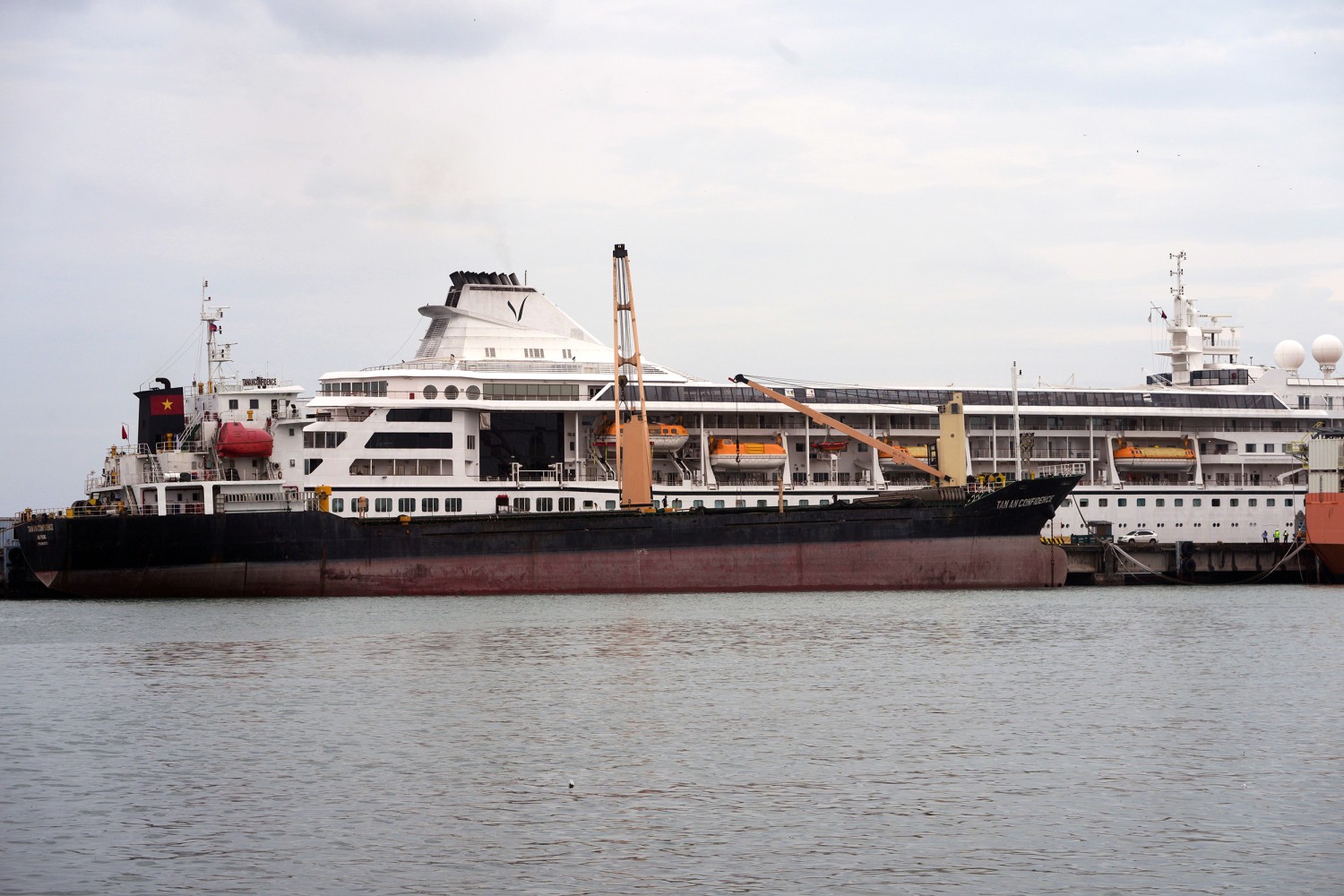
To understand how a multi-million-dollar maritime community devolved into a stranded asset dispute, one must examine the mechanics of maritime operating expenses (OPEX). Unlike land-based real estate, where property taxes and maintenance fees scale predictably, a cruise vessel is an energy-intensive industrial asset. It requires massive cloud compute architecture for navigation, heavy machinery maintenance, and, most critically, millions of gallons of marine gas oil or heavy fuel oil.
In the wake of supply chain disruptions and geopolitical conflicts in Eastern Europe and the Middle East, global energy markets experienced unprecedented price volatility. Brent crude benchmarks surged, dragging marine fuel (bunker) prices to exponential highs. For the operating entity behind the residential ship, this created an immediate capital allocation crisis. The monthly maintenance and port-fee assessments levied on cabin owners—calculated under legacy energy price assumptions—suddenly fell catastrophically short of covering actual voyage costs.
Rather than absorbing the deficit or possessing the balance sheet strength to execute sophisticated risk mitigation strategies such as fuel hedging, the operators faced a severe liquidity crunch. Cash reserves evaporated. Vendors demanded cash-on-delivery for provisioning, port authorities demanded upfront clearance bonds, and bunker suppliers refused credit. The enterprise valuation multiple plummeted to zero as creditors circled.
The Cambodian Impasse: Operational Collapse and Forced Disembarkation
As debt obligations mounted and operational funds dried up, the vessel was forced to alter its itinerary, seeking lower-cost berths in Southeast Asia. This pivot led the ship into the Gulf of Thailand, ultimately dropping anchor off the coast of Cambodia in Sihanoukville. What was initially billed as an exotic port of call quickly transformed into an indefinite detention facility as local maritime authorities and unpaid creditors detained the vessel.
For the cabin owners—many of whom had liquidated their terrestrial real estate portfolios to fund their maritime retirement—the reality was stark. With the operating company facing insolvency and unable to secure emergency capital injections, the local port agents and maritime courts intervened. Crew members went unpaid; freshwater and provisions dwindled. Finally, local authorities issued a directive: the vessel could no longer sustain unauthorized long-term residential occupancy without verified operational solvency and port fee compliance.
Residents, many of whom held legal contracts granting them decades-long occupancy rights, were ordered off the ship. Stripped of their floating homes, they found themselves navigating an unfamiliar legal landscape in Cambodia, attempting to secure emergency repatriation flights while realizing their equity stakes had effectively evaporated into maritime liens and unpaid fuel bills.
Verified Data & Metrics Breakdown
A retrospective analysis of the financial and operational metrics highlights the structural vulnerabilities inherent in residential cruise models:
| Metric / Indicator | Projected / Underwritten Baseline | Crisis Peak Reality | Financial & Operational Impact |
|---|---|---|---|
| Bunker Fuel Cost (Metric Ton) | $450 – $550 | $1,100 – $1,250+ | Immediate 120%+ surge in voyage OPEX; complete budget failure. |
| Monthly Maintenance Dues | $3,000 – $5,000 per cabin | Proposed 300% special assessment | Resident defaults escalated rapidly; cash flow halted. |
| Vessel Liquidity Reserve Ratio | 15% of annual operating budget | < 1% (Depleted) | Inability to meet payroll, port dues, and fuel credit lines. |
| Cabin Asset Valuation | $500,000 – $2,000,000 | $0 (Impaired / Stranded) | Total loss of principal for retail buyers; priority claims held by maritime lien holders. |
Industry & Market Implications: Who Wins, Who Loses
The Cambodian debacle serves as a harsh macroeconomic case study for alternative real estate asset classes. The fallout spans several critical sectors:
- The Losers (Retail Cabin Buyers): Retirees and individual investors absorb 100% of the capital loss. Because maritime law prioritizes crew wages, port authorities, and fuel suppliers (holding maritime liens), retail "owners" sit at the absolute bottom of the liquidation waterfall. Their deeds hold virtually no enforceable priority against an admiralty court.
- The Losers (Traditional Cruise & Hospitality Brands): Mainstream operators watching the residential trend view the disaster with alarm. The incident tarnishes the broader concept of shipboard living, complicating future capital-raising efforts for legitimate luxury maritime startups that utilize robust balance sheets and transparent enterprise risk mitigation.
- The Winners (Maritime Restructuring Attorneys & Liquidators): Specialized legal counsel, admiralty lawyers, and asset-recovery firms stand to capture substantial advisory fees as they untangle complex cross-border corporate veils, flagged-vessel registries, and offshore holding company structures.
Frequently Asked Questions (People Also Ask)
Did the cabin buyers actually own real estate on the ship?
Answer: Legally, no. Unlike land-based condominiums where buyers hold fee-simple real estate titles and proportional land rights, buyers on residential cruise ships typically purchase a long-term lease, license, or occupancy agreement issued by an offshore corporate entity. They do not own a physical slice of the hull or international waters. When the operating company enters insolvency, these licenses rarely withstand international maritime bankruptcy proceedings.
Why didn't fuel hedging protect the ship from rising energy costs?
Answer: Sophisticated financial instruments like bunker fuel swaps and options require substantial liquidity, credit lines, and treasury management expertise. Many startup residential cruise ventures operate on lean corporate budgets with minimal working capital reserves, viewing hedging premiums as an unnecessary overhead expense. When crude prices spiked, they were entirely exposed to spot-market pricing.
What legal recourse do stranded residents have under international maritime law?
Answer: Recourse is severely constrained. Admiralty law grants absolute priority to "maritime liens"—claims held by the crew for unpaid wages, port authorities for unpaid docking fees, and bunker suppliers for fuel. Consumer protection laws that govern land-based real estate sales do not apply on the high seas. Consequently, retail buyers usually find themselves unsecured creditors with negligible recovery prospects.
Could this happen to other residential cruise projects currently in development?
Answer: Yes. Financial analysts and shipping experts warn that any residential maritime project relying on consumer cash flows and maintenance fees without institutional-grade balance sheet backing, robust capital reserves, and professional risk management remains highly vulnerable to macroeconomic shocks and inflationary pressures.
Future Outlook: Regulatory Scrutiny and Market Evolution
The spectacle of retirees being put ashore in Cambodia will leave a lasting scar on the nascent residential maritime sector. Moving forward, institutional investors and prospective buyers will demand unprecedented levels of financial transparency, independent audits of operating reserves, and strict regulatory compliance before committing capital to floating real estate.
Key milestones to watch over the next 24 to 36 months include potential legislative efforts by flag states (such as Panama, the Bahamas, and the Marshall Islands) to establish consumer protection frameworks for shipboard leases, as well as stricter SEC oversight on how these ventures market equity-like instruments to retail investors in the United States and Europe. Until rigorous market liquidity standards and enforceable investor protections are codified, living at sea will remain an ultra-high-risk financial venture rather than a secure retirement strategy.