Executive Takeaways
- The Silicon Realignment: Anthropic is actively negotiating a major infrastructure and AI chip procurement deal with Microsoft following a landmark $5 billion investment framework.
- Proprietary Hardware Play: Discussions center on Anthropic potentially deploying Microsoft’s custom-designed Maia 200 accelerators to alleviate unprecedented enterprise compute constraints.
- Ecosystem Convergence: The talks underscore a blurring of lines in Big Tech partnerships, as AI labs diversify away from single-vendor dependencies (Nvidia) while cloud giants monetize proprietary silicon.
- Antitrust & Regulatory Scrutiny: The deepening financial and operational ties between frontier model labs and hyperscalers are drawing intense scrutiny from global competition watchdogs.
SAN FRANCISCO / SEATTLE / LONDON — In a development that signals a profound structural shift in the global artificial intelligence supply chain, Anthropic is in advanced negotiations with Microsoft to secure custom AI chip capacity. The talks, first brought to light by industry reporting and confirmed by people familiar with the matter, follow a blockbuster $5 billion capital injection that has fundamentally realigned the competitive dynamics of the generative AI ecosystem.
As enterprise demand for frontier models reaches unprecedented heights, the bottleneck for artificial intelligence development has decisively shifted from algorithmic breakthroughs to raw physical infrastructure. For Anthropic—the developer behind the Claude model family—securing diversified, high-performance silicon is an existential imperative. For Microsoft, opening its proprietary hardware pipelines to a primary rival of its most crucial partner, OpenAI, represents a calculated masterclass in cloud monetization, infrastructure scalability, and strategic risk mitigation.
The Genesis of the Partnership: Capital, Compute, and Control
The contemporary generative AI gold rush is, at its core, a war of attrition waged with capital expenditure and semiconductor lithography. To train and run inference on models that approach artificial general intelligence (AGI), labs require billions of dollars in cloud compute architecture. Anthropic’s positioning as a premier independent frontier lab has necessitated massive fundraising rounds, culminating in the recent $5 billion financial commitment that laid the groundwork for the current hardware negotiations.
Historically, Anthropic has relied heavily on cloud partnerships with Amazon Web Services (AWS) and Google Cloud, both of which have poured billions into the enterprise in exchange for equity, preferred cloud status, and custom silicon deployment (such as AWS Trainium and Inferentia chips). However, the sheer velocity of enterprise customer acquisition and the computational heft required for next-generation Claude iterations have forced Anthropic’s executive leadership to cast a wider net.
Enter Microsoft. Armed with its Azure cloud empire and a multi-billion-dollar proprietary chip development initiative, Microsoft has quietly emerged as a formidable semiconductor player. By engaging in high-level talks with Anthropic, Microsoft is executing a sophisticated capital allocation strategy: capturing high-margin enterprise AI workloads while simultaneously insulating its cloud infrastructure from single-vendor vulnerabilities.
Inside the Maia 200 Equation

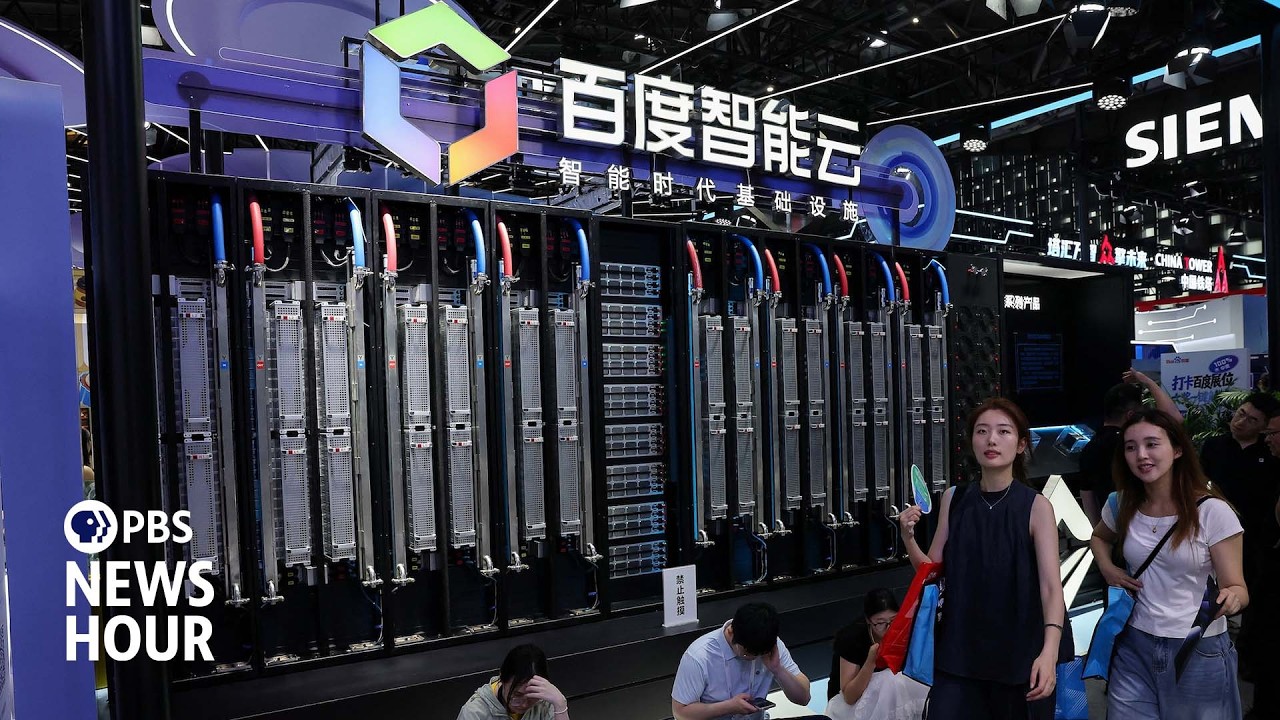
At the center of the ongoing discussions between Anthropic and Microsoft is hardware exclusivity and performance optimization. Specifically, reports indicate that Anthropic is exploring the integration of Microsoft’s custom-designed AI accelerators—most notably the advanced Maia 200 chip.
To date, Microsoft has maintained tight control over its proprietary silicon portfolio. Crucially, the tech giant has not made the Maia 200 chips broadly available to external commercial customers, instead reserving early iterations for internal workloads and its primary AI partner, OpenAI. Opening the Maia pipeline to Anthropic would represent a dramatic policy shift, transforming Microsoft’s custom silicon from an internal defensive moat into an external revenue-generating enterprise product.
From an engineering perspective, the Maia 200 is engineered to tackle the severe memory bandwidth and thermal dissipation challenges that plague traditional GPU architectures during large-scale transformer model training and inference. For Anthropic, successfully validating and deploying models on Maia hardware would achieve several critical objectives:
- Supply Chain Diversification: Mitigating the systemic market risks associated with over-reliance on NVIDIA’s H100 and Blackwell GPU allocations.
- Cost Optimization: Leveraging purpose-built silicon to drastically reduce the per-token inference cost for enterprise-grade deployments.
- Infrastructure Scalability: Tapping into Azure’s massive global data center footprint without being entirely bound to standard merchant silicon pricing dynamics.
| AI Laboratory | Primary Hyperscale Backers | Primary Silicon Dependencies | Emerging Hardware / Cloud Options |
|---|---|---|---|
| Anthropic | Amazon (AWS), Google, Institutional Investors | NVIDIA GPUs, AWS Trainium | Microsoft Azure, Maia 200 (Under Discussion) |
| OpenAI | Microsoft, Thrive Capital, SoftBank | Microsoft Azure, NVIDIA GPUs, Custom ASICs | Multi-cloud exploration, dedicated internal silicon pipelines |
| Google DeepMind | Alphabet Inc. | Google TPU v5e / v6 (Trillium), NVIDIA | Proprietary Google Cloud infrastructure exclusively |
Industry & Market Implications: Re-architecting the AI Oligopoly
The convergence of Anthropic and Microsoft sends shockwaves through the technology sector, fundamentally altering competitive moats that took years to establish. For years, the narrative of the generative AI boom was binary: OpenAI aligned tightly with Microsoft, while Anthropic aligned with Amazon and Google. A commercial chip deal between Microsoft and Anthropic shatters these rigid tribal lines, proving that in the multi-billion-dollar race for enterprise market share, pragmatism supersedes exclusivity.
The Winners
- Microsoft: By supplying compute to Anthropic, Microsoft monetizes a rival model ecosystem, solidifying Azure’s position as the undisputed Switzerland of enterprise AI cloud infrastructure.
- Anthropic: Gains critical infrastructure resilience, shielding its operations from hardware supply crunches and positioning Claude for massive enterprise scaling.
- Enterprise Customers: Beneficiaries of accelerated hardware innovation, lower latency, and greater interoperability between competing AI architectures.
The Losers & Risks
- Exclusive Hardware Providers: Merchant silicon manufacturers like NVIDIA face a long-term structural threat as hyperscalers successfully deploy proprietary accelerators (like Maia) to their own and external model labs.
- Regulatory Bodies: Antitrust investigators in Washington, Brussels, and London will undoubtedly view this partnership with heightened alarm, probing whether the entanglement of Big Tech capital and frontier labs constitutes an anti-competitive oligopoly.
Frequently Asked Questions (People Also Ask)
What is the significance of the $5 billion investment in Anthropic?
The $5 billion capital injection provides Anthropic with the immense financial liquidity required to procure advanced compute resources, fund cutting-edge foundational model research, and scale its commercial operations to compete directly with OpenAI and Google.
What is the Microsoft Maia 200 chip?
The Maia 200 is Microsoft’s advanced proprietary custom AI accelerator (Application-Specific Integrated Circuit). Designed entirely in-house, it is engineered to handle the massive computational workloads of training and running large language models with superior energy efficiency and memory bandwidth compared to standard merchant GPUs.
How does this deal affect Anthropic’s existing partnerships with Amazon and Google?
While AWS and Google remain foundational cloud and capital partners for Anthropic, exploring infrastructure deals with Microsoft illustrates a deliberate strategy of multi-cloud diversification. Anthropic is ensuring it is not locked into a single hardware or cloud ecosystem as compute demands scale exponentially.
Will regulatory authorities investigate the Microsoft-Anthropic talks?
Given intense global scrutiny over AI partnerships, antitrust regulators in the US and Europe are expected to closely monitor these negotiations to determine whether the financial and technical ties between hyperscalers and frontier labs restrict fair market competition.
Future Outlook: Milestones and Market Watchpoints
As negotiations between Anthropic and Microsoft advance, market analysts and institutional investors will be closely tracking several critical operational milestones over the coming quarters:
- Definitive Silicon Agreements: Confirmation of whether talks materialize into a binding commercial contract for Maia 200 deployment rather than preliminary testing frameworks.
- Regulatory Clearance: Potential inquiries or formal reviews by the Federal Trade Commission (FTC), Department of Justice (DOJ), and European Commission regarding tech-sector market concentration.
- Enterprise ROI and Benchmarking: Independent performance metrics evaluating how Microsoft’s custom silicon compares to traditional GPU clusters in training next-generation Claude iterations.
- Competitive Ripple Effects: How AWS and Google respond to their primary AI partner collaborating with their fiercest cloud rival.
Ultimately, the nascent silicon pact between Anthropic and Microsoft demonstrates that the architecture of the artificial intelligence revolution is fluid, pragmatic, and ruthlessly capital-driven. As the boundaries between competitors dissolve in the pursuit of limitless compute, the companies controlling the silicon supply chain will dictate the terms of the next technological era.