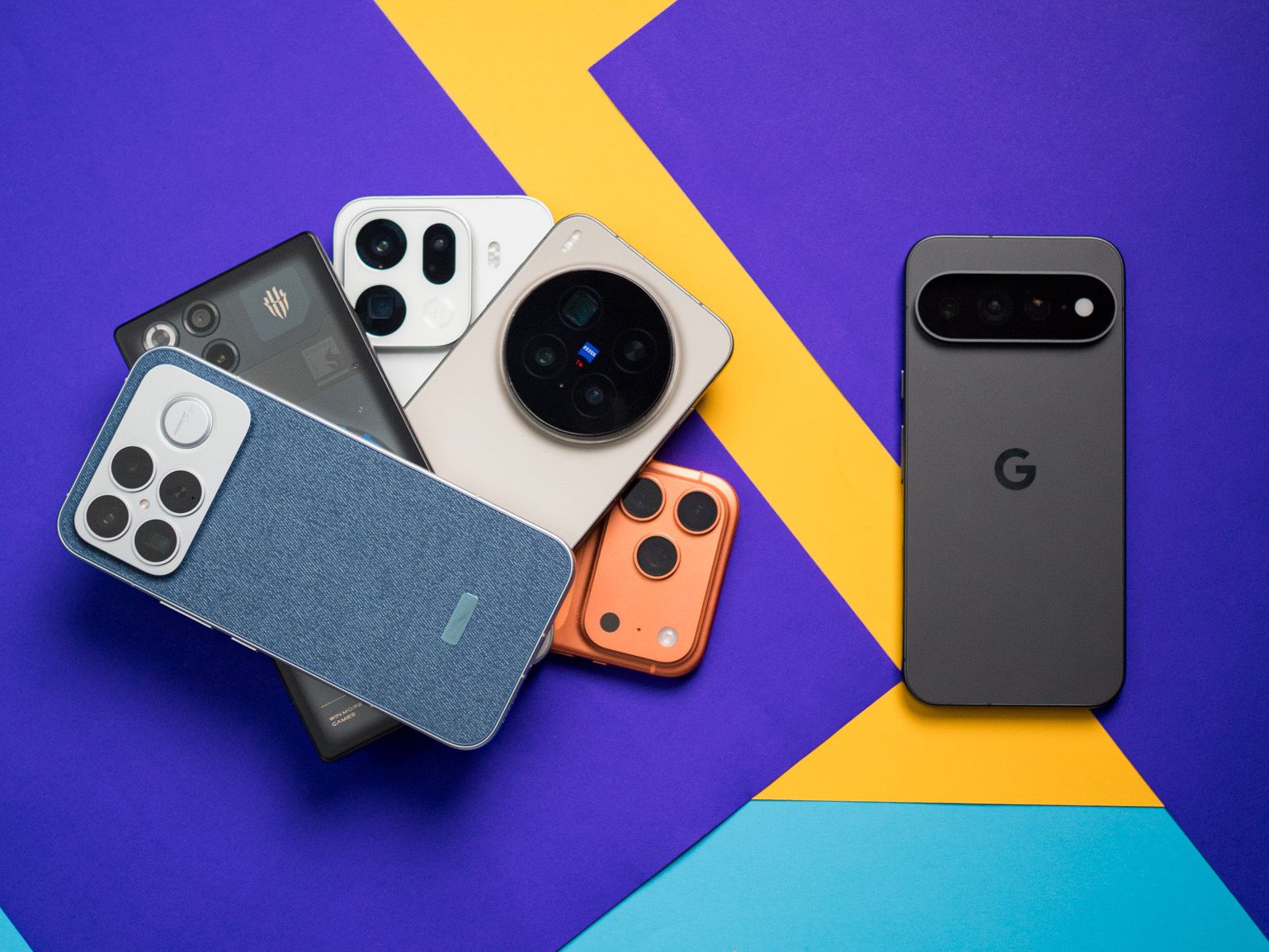
Skip the Hype: 5 Flagship Smartphones to Buy Instead of the Google Pixel 11 Pro
NEW YORK / NEW DELHI — Google’s upcoming flagship hardware continues to dominate industry chatter, but consumer tech analysts are sounding a note of caution. While the Google Pixel 11 Pro is shaping up to be a formidable contender in the mobile space, shifting market dynamics, aggressive rival launches, and evolving consumer demands mean it might not be the ultimate choice for every buyer.
As search volumes spike across global wire services and Google Trends, prospective buyers are increasingly asking a crucial question: Should I wait for the Pixel 11 Pro, or invest in something better right now? To help navigate the high-stakes autumn smartphone upgrade cycle, we have evaluated the current landscape to bring you five powerhouse alternatives that challenge Google's dominance.
The Shift in Consumer Preferences
The premium smartphone market is no longer a one-horse race defined solely by computational photography. While Google continues to pioneer artificial intelligence integration and machine-learning photography features, rival manufacturers are closing the gap rapidly—often outperforming the Pixel ecosystem in raw processing muscle, display technology, battery architecture, and global resale value.
"The Pixel 11 Pro is an impressive engineering feat, undoubtedly appealing to pure Android purists and AI enthusiasts," notes a senior hardware analyst tracking supply chains out of Taipei. "However, consumers investing upwards of $1,000 expect a holistic package. When you look at thermal management, sustained gaming performance, and hardware longevity, the competition has arguably built more balanced ecosystems this cycle."
Executive Summary: Why Look Beyond the Pixel 11 Pro?
- Ecosystem Maturity: Competitors offer deeply integrated hardware-software ecosystems with superior multi-device synergy.
- Raw Performance & Thermal Stability: Rival chipsets frequently outpace Tensor silicon in sustained heavy workloads and gaming.
- Resale Value: Brands like Apple and Samsung maintain significantly higher trade-in values after two to three years of use.
- Hardware Versatility: Alternatives offer cutting-edge display innovations, advanced periscope zoom optics, and proprietary charging speeds.
5 Powerhouse Phones to Buy Instead

Whether you prioritize sheer processing power, ecosystem integration, battery endurance, or creative flexibility, these five devices present compelling alternatives to the Google Pixel 11 Pro.
1. Apple iPhone 18 Pro / Pro Max
For users willing to cross platform lines, Apple’s flagship counter-offensive remains the gold standard in the premium tier. Featuring industry-leading silicon, unmatched video capture capabilities, and a rock-solid iOS ecosystem, the iPhone 18 Pro series targets users who demand elite performance and maximum resale value. Its integration with Apple Intelligence also directly rivals Google's Gemini features.
2. Samsung Galaxy S-Series Ultra (Current Generation)
If you want a productivity powerhouse that does it all, Samsung’s Ultra lineage remains unmatched. With an integrated S Pen, a vastly more versatile multi-lens camera array featuring insane optical zoom ranges, and a dazzling dynamic AMOLED display, it outclasses the Pixel in sheer hardware flexibility and multitasking capability.
3. OnePlus Flagship Ultra Editions
For power users who despise slow charging speeds and bloated price tags, OnePlus continues to deliver flagship-killing performance. Offering blistering wired charging speeds, near-stock Android performance without Google's hardware limitations, and top-tier Qualcomm Snapdragon processors, it is the enthusiast's choice for raw speed.
4. Xiaomi Pro/Ultra Global Flagships
Collaborating heavily with legendary optics brands, Xiaomi's top-tier global devices give Google a serious run for its money in the camera department. Boasting massive sensor sizes and aggressive image processing profiles, these phones are tailor-made for mobile photography purists who want hardware that feels closer to a DSLR.
5. Sony Xperia Professional Line
Niche, expensive, and brilliantly specialized, Sony's flagship caters directly to content creators, videographers, and audiophiles. Retaining headphone jacks, expandable storage considerations via micro-SD in select markets, and professional Alpha camera UI apps, it stands out as the ultimate anti-mainstream powerhouse.
Quick Spec & Feature Comparison
| Device Model | Primary Advantage | Ecosystem | Target Audience |
|---|---|---|---|
| Google Pixel 11 Pro | Deep AI integration & clean software | Android / Google Cloud | AI enthusiasts & photography fans |
| Apple iPhone 18 Pro | Unrivaled video & resale value | iOS / macOS | Ecosystem loyalists & creators |
| Samsung Galaxy Ultra | S Pen productivity & extreme zoom | Android / SmartThings | Power users & multi-taskers |
| OnePlus / Xiaomi Flagships | Super-fast charging & raw value | Android / Custom UI | Tech purists & budget-conscious pros |
Future Outlook & Buying Advice
Choosing a smartphone in today's mature market comes down to identifying your daily bottlenecks. If your workflow relies heavily on instant Google Assistant / Gemini assistance and pure, uncluttered software updates straight from the source, the Google Pixel 11 Pro will undoubtedly satisfy.
However, if you value long-term financial depreciation control, superior mobile gaming stability, or specialized camera hardware like massive optical zooms and professional manual video controls, putting your money into an iPhone 18 Pro or a top-tier Android alternative is the smarter fiscal move. Evaluate your ecosystem dependencies, check current carrier trade-in incentives, and choose the hardware that enhances your daily digital life rather than locking you into a single corporate ecosystem.
Frequently Asked Questions
Is the Google Pixel 11 Pro still worth waiting for?
If you are a dedicated fan of Google's software philosophy, stock Android interface, and exclusive machine-learning photo editing tools, waiting for the official release is recommended. However, if your current phone functions well, testing current-generation flagship alternatives will likely give you more robust hardware for your investment.
How do these alternatives compare in terms of software updates?
Google offers extended seven-year software support for its flagship lines, matching Apple's long-standing industry leadership. Major Android competitors like Samsung have also adopted seven-year update commitments for their premium tiers, ensuring that buying an alternative does not mean sacrificing long-term device security or OS longevity.